Back to all products

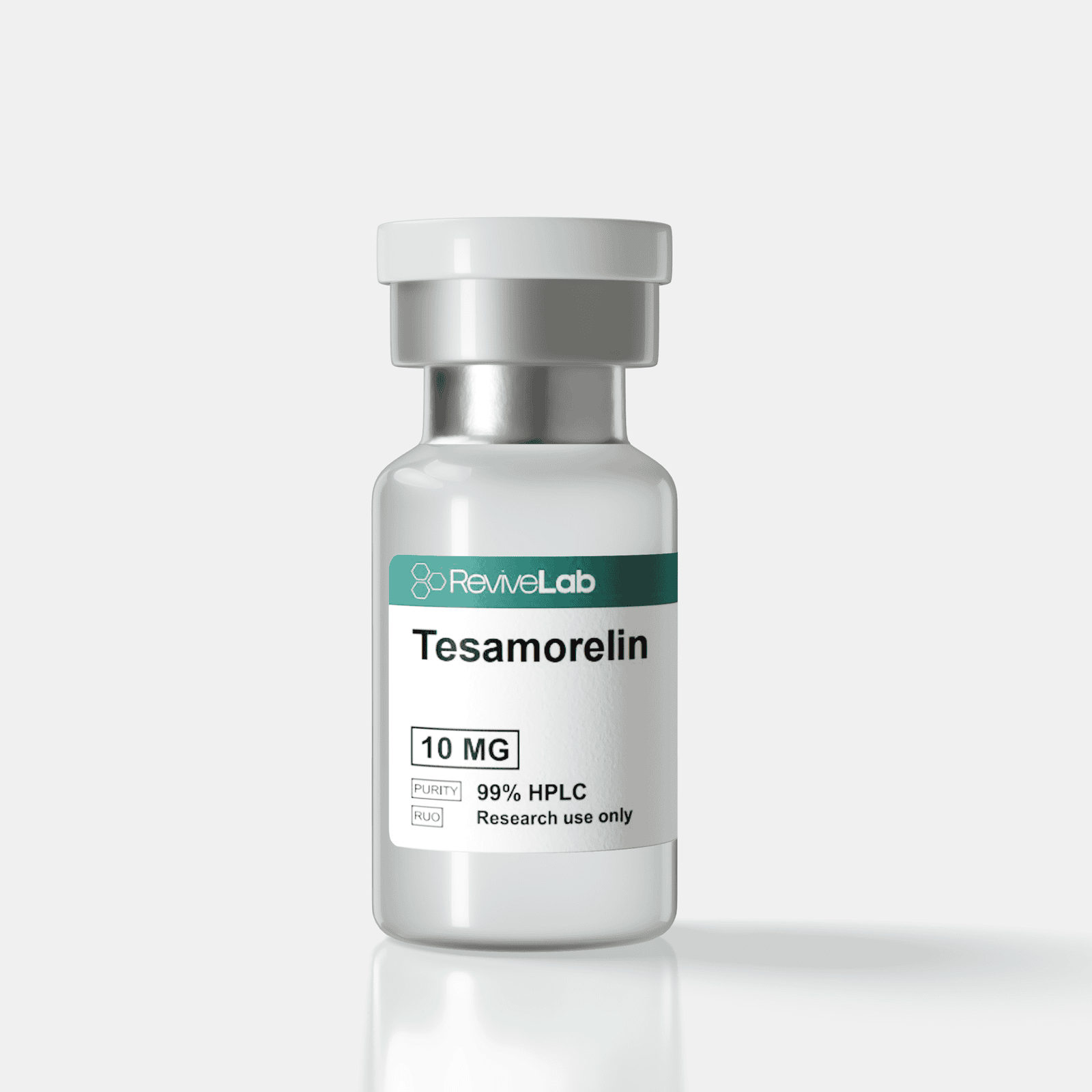
Tesamorelin

Tesamorelin is a synthetic analog of growth hormone–releasing hormone (GHRH) developed for research into growth hormone (GH) and IGF-1 axis regulation. It works by stimulating the pituitary gland to restore physiologic, pulsatile GH secretion, leading to downstream metabolic and anabolic effects without direct hormone replacement. Tesamorelin is best studied for its ability to selectively reduce visceral adipose tissue, improve metabolic signaling, and support tissue, liver, and endocrine health in controlled research models.

$89.99

In stock

-
+
Tesamorelin Summary

Pituitary GH Release & IGF-1 Axis Activation

  • Acts as a synthetic growth hormone–releasing hormone (GHRH) analog, selectively activating pituitary GHRH receptors.
  • Restores physiologic, pulsatile growth hormone (GH) secretion rather than continuous GH exposure.
  • Significantly increases downstream IGF-1 production while maintaining levels within normal physiological ranges.
  • Preserves pituitary sensitivity and endogenous feedback regulation, reducing risk of GH receptor desensitization during extended exposure.

Visceral Fat Reduction & Body Composition Remodeling

  • Selectively reduces visceral adipose tissue (VAT) through GH-mediated lipolysis, sparing subcutaneous fat depots.
  • Improves lean-to-fat mass ratio without inducing generalized weight loss or muscle catabolism.
  • Targets hormonally active abdominal fat associated with insulin resistance and cardiometabolic dysfunction.
  • Demonstrates imaging-confirmed reductions in central adiposity in long-term controlled studies.

Muscle Preservation & Anabolic Support

  • Supports lean muscle mass preservation through enhanced GH/IGF-1 signaling.
  • Improves muscle quality by reducing intramuscular lipid infiltration in VAT responders.
  • Enhances protein synthesis and nitrogen retention under metabolic stress conditions.
  • Provides anabolic support without supraphysiologic IGF-1 exposure or organ hypertrophy.

Hepatic Fat Metabolism & Liver Health

  • Reduces hepatic lipid accumulation by enhancing fatty acid oxidation and lipid export pathways.
  • Demonstrates significant reductions in liver fat fraction in NAFLD research models.
  • Prevents progression of hepatic fibrosis through favorable modulation of inflammatory and metabolic gene expression.
  • Improves liver enzyme profiles without impairing glucose or insulin homeostasis.

Metabolic Regulation & Insulin Sensitivity

  • Enhances mitochondrial efficiency and fatty acid oxidation through GH-driven metabolic remodeling.
  • Improves adipokine signaling, including increases in adiponectin in responders.
  • Maintains stable fasting glucose and HbA1c levels despite GH elevation.
  • Supports insulin sensitivity by preferentially targeting visceral fat rather than peripheral adipose tissue.

Inflammation Modulation & Anti-Catabolic Effects

  • Reduces systemic inflammatory markers associated with excess visceral fat, including CRP and pro-inflammatory cytokines.
  • Counters catabolic signaling linked to chronic metabolic stress and adipose-driven inflammation.
  • Supports endocrine balance without activating stress-hormone pathways.
  • Contributes to improved metabolic resilience during prolonged GH-axis activation.

Cognitive Function & Neuroendocrine Effects

  • Elevates IGF-1 levels associated with neuronal maintenance and synaptic plasticity.
  • Demonstrates improvements in executive function and cognitive performance in aging research models.
  • May support cerebral metabolism and neuroprotective signaling pathways.
  • Links metabolic health improvements to central nervous system outcomes via GH/IGF-1 signaling.

Endocrine Selectivity & Safety Profile

  • Does not stimulate ACTH, cortisol, prolactin, TSH, FSH, or LH at research-relevant GH elevations.
  • Maintains normal organ size, liver enzymes, and pituitary integrity in long-term studies.
  • Exhibits a favorable tolerability profile with predominantly mild, transient effects.
  • Preserves physiologic hormonal feedback, distinguishing it from exogenous GH administration.
Tesamorelin Synergies & Additive Research Compounds

To maximize the research potential of Tesamorelin, investigators often combine it with complementary peptides that enhance growth hormone axis signaling, metabolic remodeling, tissue regeneration, and recovery pathways downstream of GH and IGF-1 activity. Because tesamorelin is a GHRH analog that restores physiologic GH pulsatility, it is frequently explored in combination with compounds that extend GH signaling, amplify regenerative responses, or stabilize metabolic and oxidative balance.
These combinations are commonly studied in visceral fat reduction, metabolic health, muscle and connective-tissue research, hepatic fat models, and aging-related endocrine studies.
Below is a summary of notable Tesamorelin peptide synergies supported by mechanistic and preclinical research.

Tesamorelin Synergistic Compounds

Compound Mechanism of Synergy Relevant Research / Notes
CJC-1295 (No DAC) Short-acting GHRH analog that amplifies GH pulse amplitude alongside tesamorelin-driven physiologic secretion. Dual GHRH stimulation increases GH and IGF-1 signaling while preserving pulsatile endocrine patterns in research models.
CJC-1295 Long-acting GHRH analog that maintains elevated baseline GH while tesamorelin preserves natural pulsatility. Explored for sustained GH exposure with reduced endocrine disruption in metabolic and body-composition studies.
GHRP-2 Ghrelin-receptor agonist that increases GH pulse intensity and frequency. Co-activation with tesamorelin produces additive GH release via distinct receptor pathways without receptor competition.
IGF-1 LR3 Potent downstream anabolic mediator of GH signaling. Used in muscle, tendon, and connective-tissue research to amplify myogenic and structural repair signaling initiated by GH.
TB-500 (Thymosin Beta-4) Regenerative peptide promoting angiogenesis, cytoskeletal repair, and cellular migration. Complements tesamorelin-driven anabolic signaling by accelerating tissue repair and reducing fibrotic remodeling.
BPC-157 Angiogenic and anti-inflammatory peptide supporting tissue remodeling and vascular integrity. Synergizes with GH-mediated regeneration to enhance connective-tissue and gastrointestinal repair models.
GHK-Cu Copper peptide involved in collagen synthesis, ECM remodeling, and cellular repair. Complements GH/IGF-1–driven regeneration by improving extracellular matrix quality in dermal and connective tissues.
Thymosin Alpha-1 Immune-modulating peptide that regulates cytokine signaling and inflammatory balance. Supports tesamorelin’s systemic recovery profile by stabilizing immune responses during regenerative research.
MOTS-C Mitochondrial-derived peptide enhancing insulin sensitivity and cellular energy metabolism. Augments tesamorelin’s metabolic effects, particularly in visceral fat and hepatic lipid research models.
Glutathione Endogenous antioxidant tripeptide maintaining redox homeostasis. Reduces oxidative stress during GH/IGF-1–driven anabolic and metabolic activity, supporting cellular resilience.


Potential Research Use Cases for Tesamorelin Combinations

  • GH / IGF-1 Axis Optimization:
    Tesamorelin + CJC-1295 (No DAC) / CJC-1295 (DAC) / GHRP-2
    → Enhances GH pulse amplitude, duration, and total IGF-1 output while preserving physiologic endocrine feedback in research models.
  • Visceral Fat & Metabolic Remodeling:
    Tesamorelin + MOTS-C / Glutathione
    → Supports mitochondrial efficiency, insulin sensitivity, and oxidative balance during GH-driven visceral fat reduction studies.
  • Muscle & Connective-Tissue Regeneration:
    Tesamorelin + IGF-1 LR3 / TB-500 / BPC-157
    → Promotes myogenesis, collagen synthesis, angiogenesis, and soft-tissue repair via complementary anabolic and regenerative pathways.
  • Dermal & Structural Tissue Restoration:
    Tesamorelin + GHK-Cu / Thymosin Alpha-1
    → Enhances extracellular matrix renewal while reducing inflammatory interference during GH-mediated regeneration.
  • Hepatic Fat & Liver Health Research:
    Tesamorelin + MOTS-C / Glutathione / BPC-157
    → Explored for combined effects on hepatic lipid metabolism, oxidative stress reduction, and tissue integrity in NAFLD-related models.
  • Comprehensive Recovery & Aging Research:
    Tesamorelin + CJC-1295 (No DAC) / TB-500 / BPC-157
    → Integrates endocrine, regenerative, metabolic, and cytoprotective mechanisms for broad-spectrum recovery and aging studies.
Tesamorelin Research

Mechanism of Action

Physiological GH Stimulation: Tesamorelin (TSM) binds to GHRH receptors on pituitary somatotrophs, restoring natural pulsatile growth hormone release (Ref. 7). This contrasts with exogenous GH administration; TSM re-engages normal feedback loops and avoids overwhelming the body with unregulated GH levels (Ref. 7).

As a result, it elevates GH in a more physiologic rhythm, minimizing risks like receptor desensitization or excessive insulin resistance that can occur with direct GH injections (Ref. 7, Ref. 10).

IGF-1 Increase and Anabolic Effects: By boosting endogenous GH, TSM significantly raises circulating IGF-1 (often doubling levels within the normal physiological range) (Ref. 4, Ref. 9). GH and IGF-1 together promote protein synthesis and lean tissue growth while enhancing lipolysis (fat breakdown) in adipose tissues (Ref. 5, Ref. 9). This dual action helps preserve muscle mass and reduce fat stores simultaneously, essentially recapitulating a more youthful hormonal profile for metabolism.

Targeted Visceral Fat Lipolysis: Growth hormone released by TSM has potent effects on adipocytes, especially in visceral fat depots. It increases the breakdown of triglycerides in deep abdominal fat, leading to significant visceral fat reduction over time (Ref. 1, Ref. 6).

Notably, subcutaneous (under-the-skin) fat is relatively unaffected, due to tesamorelin’s focused action on the hormone-sensitive visceral stores (Ref. 6). This selectivity is beneficial, as visceral fat is strongly linked to insulin resistance and cardiovascular risk, whereas subcutaneous fat is more benign.

Metabolic Remodeling: The GH/IGF-1 surge from TSM improves whole-body metabolism. It enhances mitochondrial function and fatty acid oxidation, which not only aids fat loss but also supports liver fat clearance and optimal energy usage (Ref. 5, Ref. 14).

By engaging these pathways, TSM can counteract age-related metabolic slowdowns – for example, helping to redistribute fat away from the liver and midsection while maintaining blood glucose homeostasis through preserved insulin sensitivity (Ref. 13).

Overview

Significant Visceral Fat Reduction & Improved Body Composition: In placebo-controlled trials, TSM consistently produced a marked reduction in visceral adipose tissue (VAT). On average, chronic TSM (2 mg daily) lowered visceral fat by roughly 15–20% over 6–12 months of treatment (Ref. 1, Ref. 2).

This degree of fat loss was confirmed via imaging (CT or DEXA scans) in HIV-positive patients with central adiposity. Importantly, no significant loss of subcutaneous fat was observed (Ref. 6) – indicating that TSM specifically targets the riskier deep-belly fat.

Additionally, studies report that overall body composition improves: patients tended to lose abdominal fat while preserving or even gaining lean muscle mass. In fact, responders who achieved ≥8% VAT reduction saw increases in trunk muscle area and density over 6 months of therapy (Ref. 11). This suggests TSM not only trims fat around organs but also helps maintain muscle quality, a dual benefit for healthier body composition.

Improvements in Metabolic Profile (Lipids & Glucose Control): By reducing visceral fat burden, TSM favorably impacts key metabolic risk markers. Clinical trials in HIV-associated abdominal obesity showed significant drops in triglyceride levels and reductions in non-HDL cholesterol in tesamorelin-treated groups (Ref. 2, Ref. 5). One study reported triglycerides decreased by an average of ~0.8 mmol/L over 1 year in responders (Ref. 5).

Some trials observed a rise in HDL cholesterol with TSM use, reflecting an overall healthier lipid profile (Ref.2). Crucially, glycemic control remained stable during therapy: there were no significant changes in fasting blood glucose or HbA1c compared to baseline (Ref. 10, Ref. 13). Patients who responded with substantial visceral fat loss showed better preservation of insulin sensitivity than non-responders, with smaller increases in fasting glucose and HbA1c over time (Ref. 5, Ref. 13). TSM also boosted adiponectin, an insulin-sensitizing hormone, in those who lost the most VAT (Ref. 11).

Liver Fat Reduction and NAFLD Benefits: One of the most impressive findings is tesamorelin’s impact on non-alcoholic fatty liver disease (NAFLD), particularly in HIV patients. In a 12-month randomized trial, TSM led to a dramatic reduction in liver fat content compared to placebo (Ref. 3). On average, hepatic fat fraction dropped by about 4.1% absolute (≈37% relative reduction from baseline) in the TSM group, whereas the placebo group saw essentially no improvement (Ref. 3).

By the end of the study, over a third of tesamorelin-treated individuals achieved a normalized liver fat level (hepatic fat <5%), versus only ~4% of those on placebo (Ref. 3). Liver health markers improved as well: treated patients had lower liver enzyme levels (ALT/AST) correlating with the visceral fat loss (Ref. 3). Perhaps most striking, TSM appeared to halt the progression of liver fibrosis in these patients – none of the treated group experienced fibrosis worsening, making TSM the first strategy shown to effectively prevent NAFLD-related fibrosis progression in people with HIV (Ref. 14). Notably, these liver benefits were achieved without detriment to glucose control (Ref. 3).

Cognitive Function and Neuroprotective Potential: Emerging research indicates that tesamorelin’s impact extends to the brain. Both growth hormone and IGF-1 are known to support neuronal health, and studies have tested whether raising these hormones via GHRH analogs can aid cognitive function. In older adults (ages 55–87), including those with mild cognitive impairment, 20 weeks of daily TSM administration led to significant cognitive improvements (Ref. 4).

Specifically, a double-blind trial reported enhanced executive function (including attention, memory, and mental flexibility) in the tesamorelin-treated group compared to placebo (Ref. 4). There was also a positive trend in verbal memory scores. These cognitive benefits coincided with a robust increase in IGF-1 levels (+117%) within physiological ranges and a reduction in overall body fat (Ref. 4). These findings support further investigation of tesamorelin’s neuroprotective potential (Ref. 15).

Healthy Aging and Longevity Research: Given its unique profile—reducing central fat, enhancing anabolic hormones, and improving metabolic efficiency—TSM is being explored in longevity-related research. By restoring IGF-1 to youthful ranges and decreasing visceral fat, TSM addresses two key factors that deteriorate with age. Studies report reductions in inflammatory markers such as C-reactive protein and IL-6, reflecting a lower inflammatory state (Ref. 8).

Tesamorelin has also been shown to increase adiponectin levels and favorably modulate hepatic gene expression involved in lipid metabolism, mitochondrial function, and inflammatory signaling (Ref. 11, Ref. 14). Collectively, these effects align with a more youthful metabolic phenotype and support ongoing research into tesamorelin’s role in aging biology.

Safety and Tolerability: Tesamorelin has demonstrated a favorable safety profile across multiple clinical studies lasting up to 12 months. No increase in serious adverse events was observed relative to placebo, and no associations with malignancy or new-onset diabetes were reported (Ref. 2, Ref. 10).
The most common adverse effects were mild and transient, including injection-site reactions and temporary musculoskeletal discomfort (Ref. 2, Ref. 10).

Tesamorelin’s physiologic mechanism of action is believed to contribute to its tolerability by preserving endogenous hormonal regulation. While visceral fat may gradually return after discontinuation, sustained benefits are observed during continued administration (Ref. 2).

Tesamorelin Research References
Ref. No. Study / Source Focus / Key Findings Link
1 Effects of Tesamorelin on Visceral Adipose Tissue in HIV-Infected Patients Significant reduction in visceral adipose tissue (~15–20%) without loss of subcutaneous fat; imaging-confirmed body composition improvements PubMed
2 Long-Term Safety and Efficacy of Tesamorelin in HIV-Associated Lipodystrophy Sustained visceral fat reduction over 52 weeks; favorable lipid changes; well tolerated. PubMed
3 Tesamorelin Reduces Liver Fat in HIV-Associated NAFLD ~37% relative reduction in hepatic fat; normalization of liver fat in >30% of subjects; no adverse glycemic effects PubMed
4 Growth Hormone–Releasing Hormone Improves Cognition in Older Adults Improved executive function and memory; IGF-1 increased within physiological range PubMed
5 Visceral Fat Reduction and Metabolic Outcomes With Tesamorelin Responders with ≥8% VAT reduction showed lower triglycerides, increased adiponectin, and preserved insulin sensitivity PMC
6 Selective Reduction of Visceral Fat by Tesamorelin Preferential loss of visceral adipose tissue with relative sparing of subcutaneous fat PubMed
7 Physiology of GHRH Analogs and Growth Hormone Pulsatility Tesamorelin restores physiologic, pulsatile GH secretion compared to exogenous GH administration PubMed
8 Inflammation and Abdominal Obesity Visceral fat functions as an inflammatory endocrine organ; reductions in CRP and cytokines correlate with VAT loss PubMed
9 Growth Hormone–IGF-1 Axis and Anabolic Metabolism GH/IGF-1 signaling promotes protein synthesis, lean tissue preservation, and lipolysis PubMed
10 Safety of Tesamorelin Therapy No increased risk of malignancy or diabetes; adverse events primarily mild and transient PubMed
11 Tesamorelin Decreases Muscle Fat and Increases Muscle Area in HIV Increased trunk muscle area and density in visceral fat responders PMC
12 GH–IGF-1 Axis in Aging and Metabolic Health Age-related decline in GH/IGF-1 linked to metabolic dysfunction; relevance to aging research PubMed
13 Glucose Homeostasis During Tesamorelin Therapy Fasting glucose and HbA1c remain stable despite GH elevation PubMed
14 ClinicalTrials.gov (example: TH9507 extension / Phase 3 identifiers appear across trials) Trial registry verification (design, endpoints, arms, dates). Insight
15 IGF-1 and Neuroprotection IGF-1 signaling supports neuronal maintenance and cognitive resilience PubMed
16 LiverTox (NCBI Bookshelf): “Tesamorelin” Liver safety summary + hepatic adverse event framing from NCBI Bookshelf. PubMed

Related Products