Back to all products
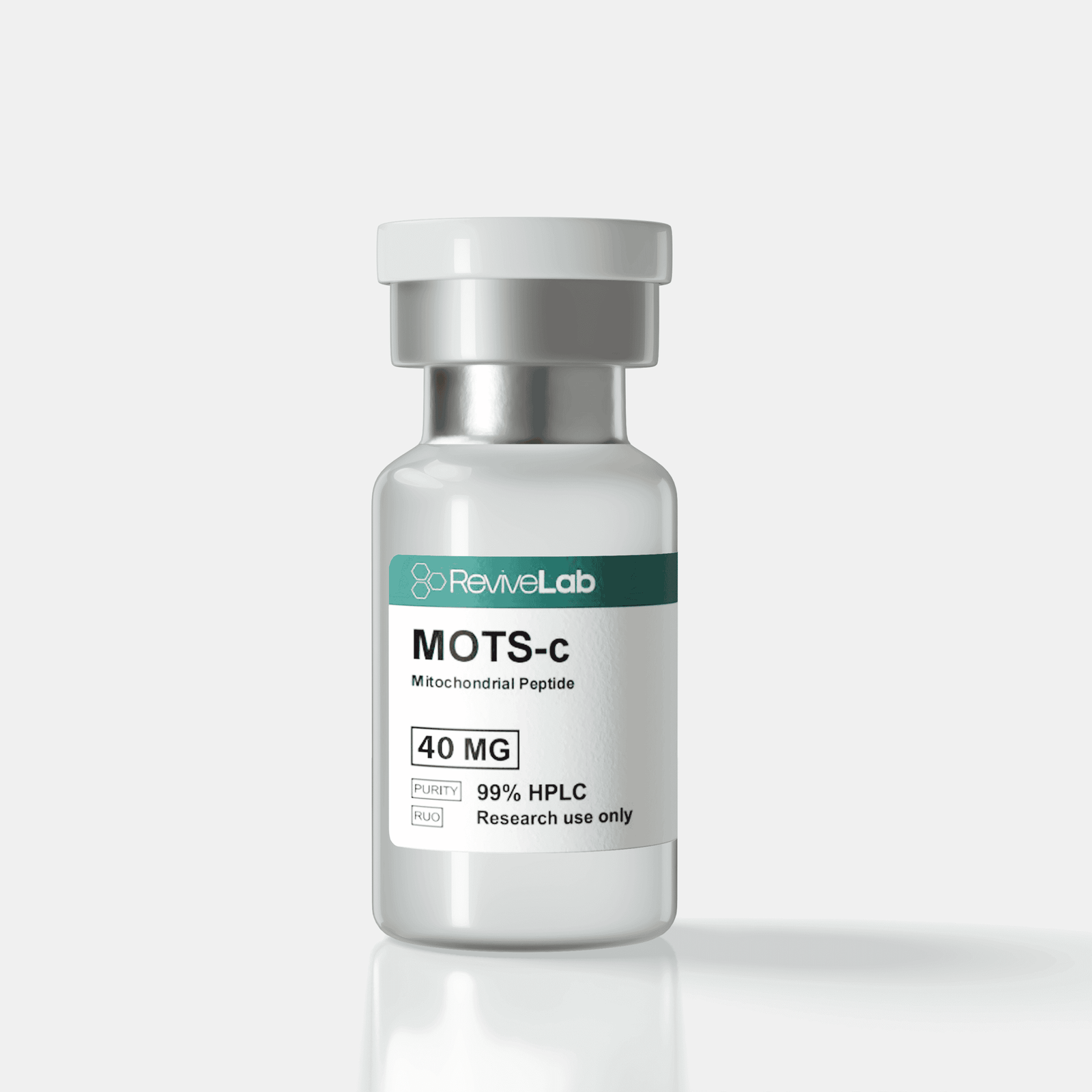
MOTS-C
This product is currently out of stock.
Buy 1 Vial
$159.99
Use code RLAB10 for 10% off (first time purchase only)
BEST VALUE
SAVE $159.99
3 + 1 Free
$639.96
$479.97
LIMITED TIME
SAVE $335.98
5 + 2 Free
$1,119.93
$783.95
MOTS-c (Mitochondrial Open Reading Frame of the 12S rRNA Type-c) is a 16-amino acid peptide encoded in mitochondrial DNA. It functions as a mitochondrial-encoded signaling molecule that activates AMPK and regulates metabolism, cellular stress response, and energy homeostasis. MOTS-c has been studied for its ability to improve insulin sensitivity, enhance mitochondrial function, promote exercise-like adaptations, and support healthy aging processes in preclinical models. Research also highlights its role in inflammation modulation, cardiovascular support, neuroprotection, and bone metabolism.
$159.99
Disclaimer: This compound is not intended for human or veterinary use. MOTS-C is sold strictly for laboratory research purposes only. Any mention of effects is provided for educational information and relates solely to preclinical or experimental studies and does not imply efficacy in humans.
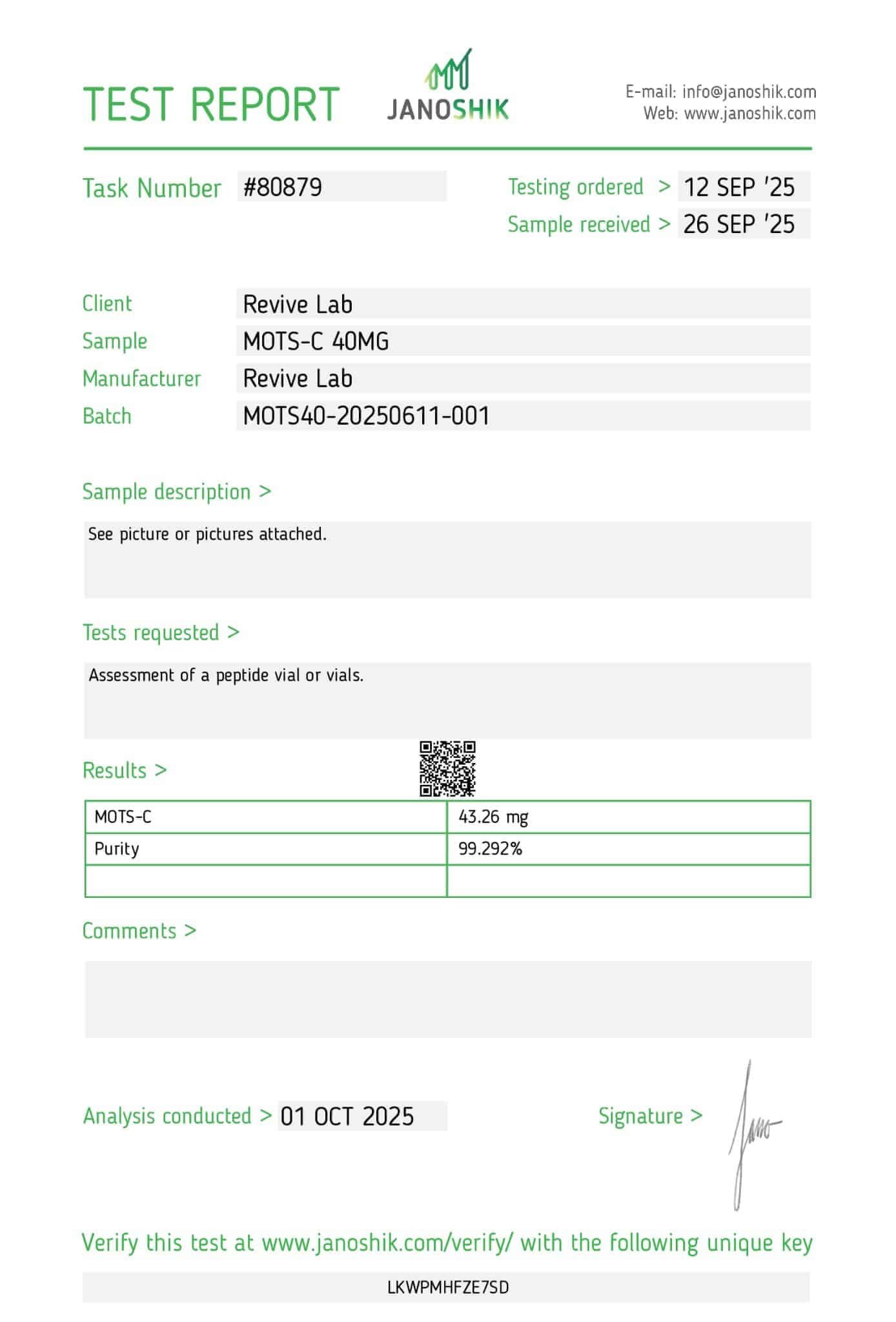
COA
MOTS-c Summary
Cellular Energy & Mitochondrial Function
- Activates AMPK to increase glucose uptake and fatty acid oxidation.
- Enhances mitochondrial biogenesis and ATP production in stressed cells.
- Improves energy utilization and metabolic flexibility during nutrient stress.
- Protects mitochondria by reducing ROS production and preserving membrane integrity.
DNA Repair & Genomic Stability
- Translocates to the nucleus during stress and activates antioxidant response genes.
- Suppresses mTORC1 to promote cellular repair and proteostasis.
- Enhances NRF2-regulated gene expression to support oxidative defense.
- Maintains cellular homeostasis during metabolic and inflammatory challenges.
Neuroprotection & Cognitive Function
- Reduces neuroinflammation and microglial activation in preclinical brain injury models.
- Prevents memory impairment from Aβ and LPS in Alzheimer’s and inflammation models.
- Enhances memory consolidation and learning behavior in aged mice.
- Protects neurons from oxidative damage and energy failure during traumatic brain injury (TBI).
Cardiovascular & Vascular Health
- Activates AMPK in cardiac muscle to prevent hypertrophy and failure.
- Improves endothelial function and reduces oxidative stress in coronary arteries.
- Mimics aerobic exercise effects in heart tissue via NRG1/ErbB4 signaling.
- Preserves vascular integrity and reduces inflammation in diabetic and ischemic models.
Inflammation & Immune Modulation
- Reduces pro-inflammatory cytokines (IL-6, TNF-α) and increases IL-10.
- Inhibits MAPK pathways (ERK, JNK, p38) and inflammatory transcription factor c-Fos.
- Suppresses T-cell overactivation and promotes regulatory T-cell balance via mTORC1 inhibition.
- Improves immune homeostasis and reduces inflammatory pain responses in vivo.
Aging & Longevity Research
- Endogenous MOTS-c declines with age in muscle and plasma.
- Rejuvenates metabolic gene expression and mitochondrial stress response in aged tissue.
- Enhances exercise capacity, healthspan, and proteostasis in late-life animal models.
- Associated with human longevity through a mitochondrial DNA variant linked to MOTS-c.
Metabolic Health & Insulin Sensitivity
- Improves insulin sensitivity in skeletal muscle and liver via AMPK activation.
- Prevents obesity, hyperinsulinemia, and metabolic syndrome in high-fat diet models.
- Enhances glucose tolerance and mitochondrial fat oxidation.
- Works synergistically with NAD⁺ and metformin to improve metabolic parameters.
Muscle Performance & Exercise Mimicry
- Acts as an exercise-induced mitokine with endurance-enhancing properties.
- Increases physical performance and fatigue resistance in young and aged rodents.
- Upregulates genes involved in metabolism, mitochondrial maintenance, and stress adaptation.
- Mimics aerobic training by improving muscle energy use and recovery.
Bone Health & Osteogenesis
- Promotes osteoblast differentiation and expression of bone-forming markers (e.g., Runx2, ALP).
- Suppresses RANKL-induced osteoclast activation to reduce bone resorption.
- Increases bone mineral density and strength in postmenopausal osteoporosis models.
- Regulates bone remodeling via AMPK and TGF-β/Smad pathways.
MOTS-c Synergies & Additive Research Compounds
To maximize the effects of MOTS-c in experimental models, researchers often combine it with compounds that complement its mitochondrial, metabolic, and anti-inflammatory properties. These combinations are commonly used in studies involving exercise mimetics, age-related decline, insulin resistance, and cellular stress resilience.
Below is a summary of notable MOTS-c synergistic compounds validated in preclinical studies:
MOTS-c Synergistic Compounds
| Compound | Mechanism of Synergy | Relevant Research / Notes |
|---|---|---|
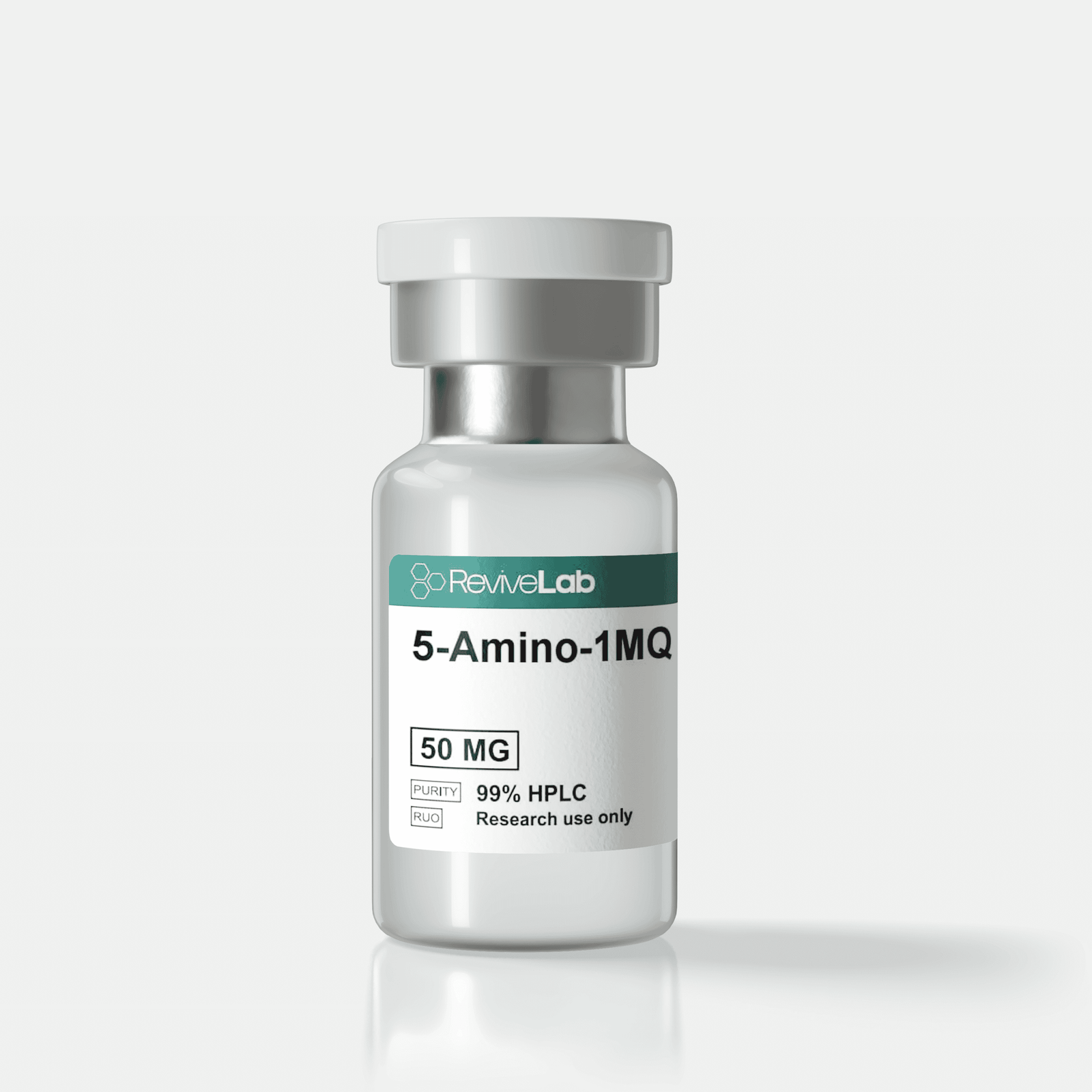
| 5-Amino-1MQ | NNMT inhibitor that increases NAD⁺ and SIRT1 activity; enhances metabolic pathways that overlap with MOTS-c’s AMPK activation. | Co-studied in metabolic syndrome models showing synergistic fat loss, improved glucose tolerance, and mitochondrial biogenesis. |
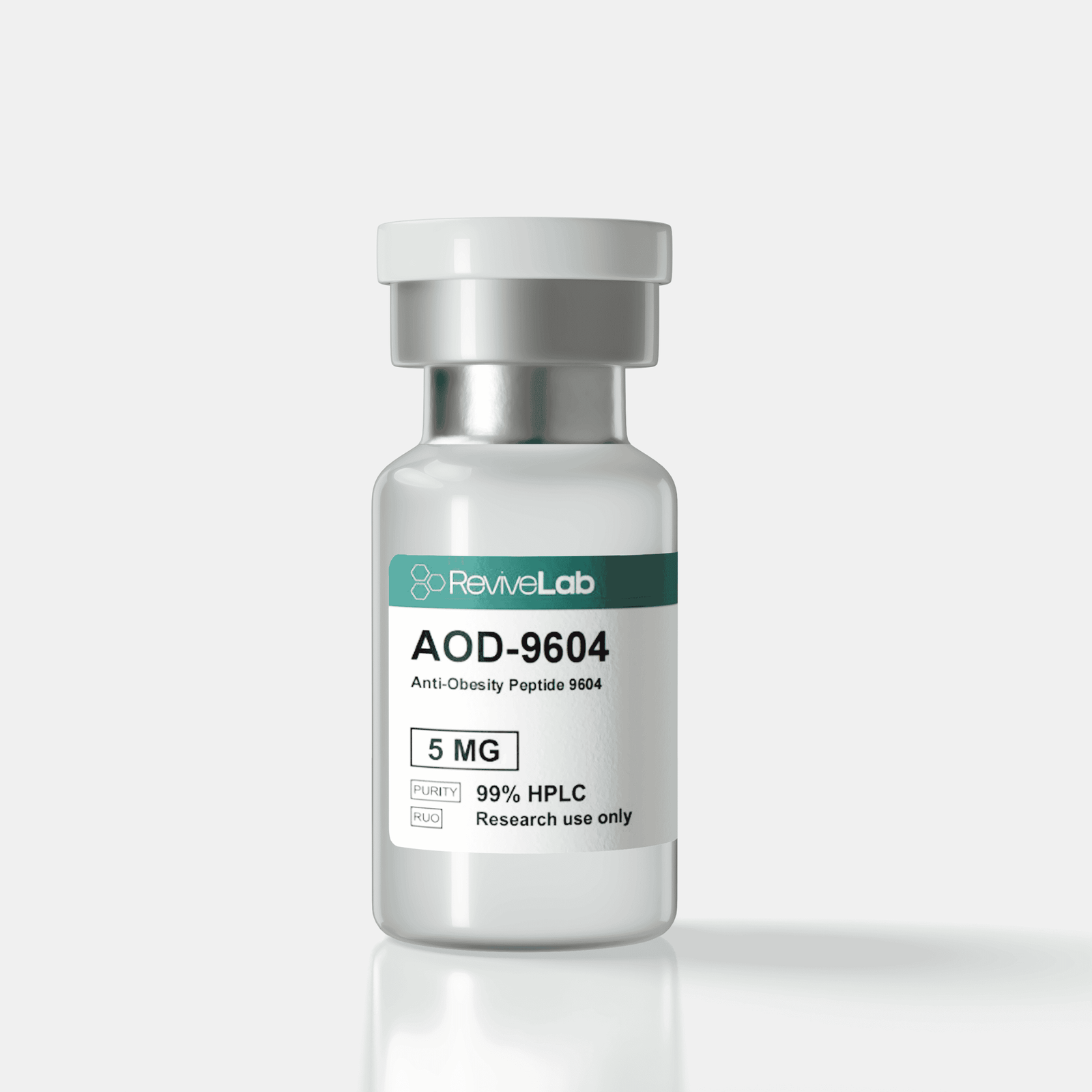
| AOD-9604 | Fragment of human GH that promotes lipolysis without stimulating IGF-1; complements MOTS-c’s role in fatty acid oxidation. | Combined research use enhances adipose metabolism and weight regulation through dual AMPK and GH-fragment pathways. |
| CJC-1295 (No DAC) | GHRH analog that enhances GH and IGF-1 secretion, supporting mitochondrial and metabolic function | Amplifies MOTS-c’s cellular energy effects and improves tissue recovery during metabolic research protocols |
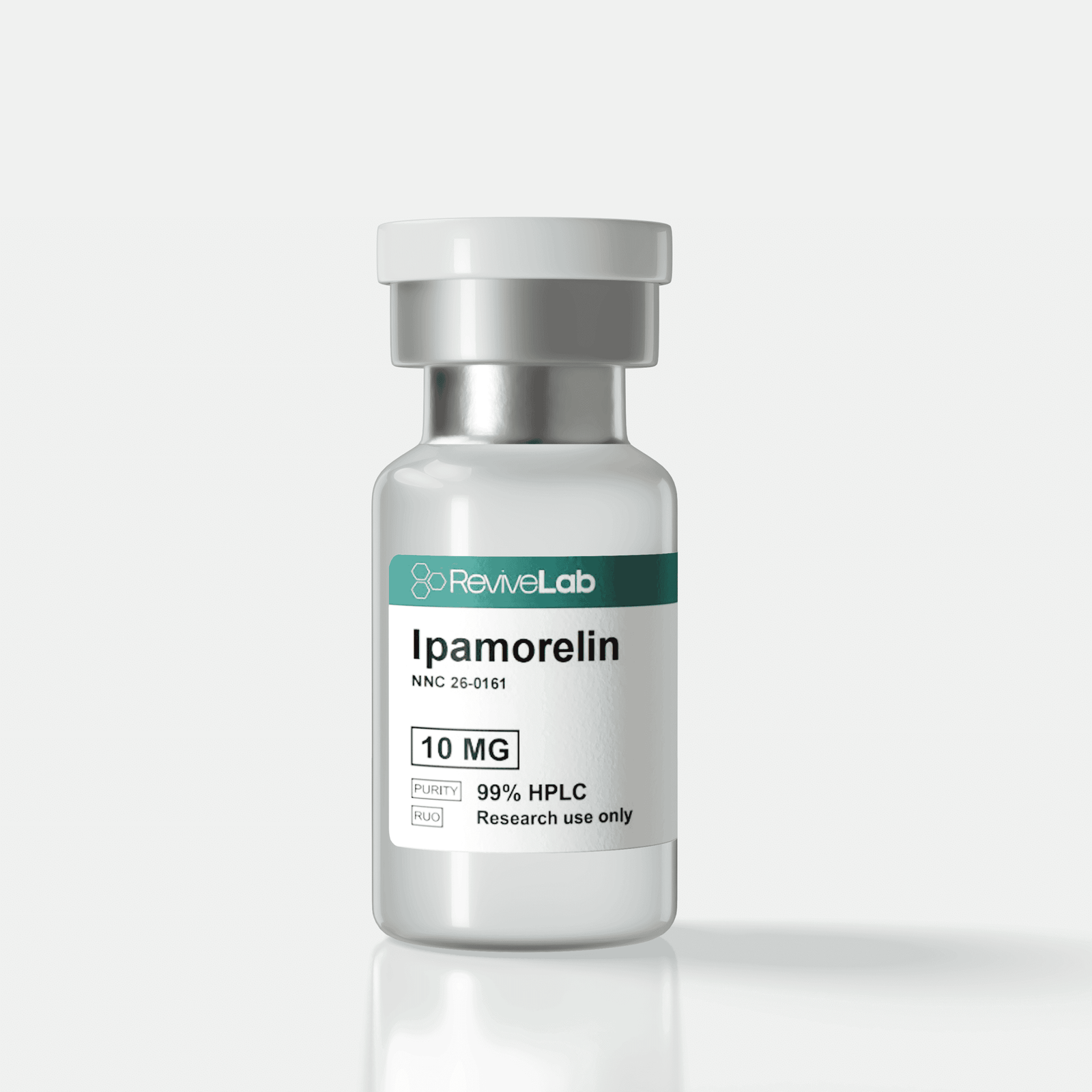
| Ipamorelin | Selective GHRP that triggers GH pulses without affecting cortisol or prolactin; enhances anabolic recovery under mitochondrial strain. | Paired with MOTS-c to improve energy efficiency, muscle repair, and overall systemic metabolism. |
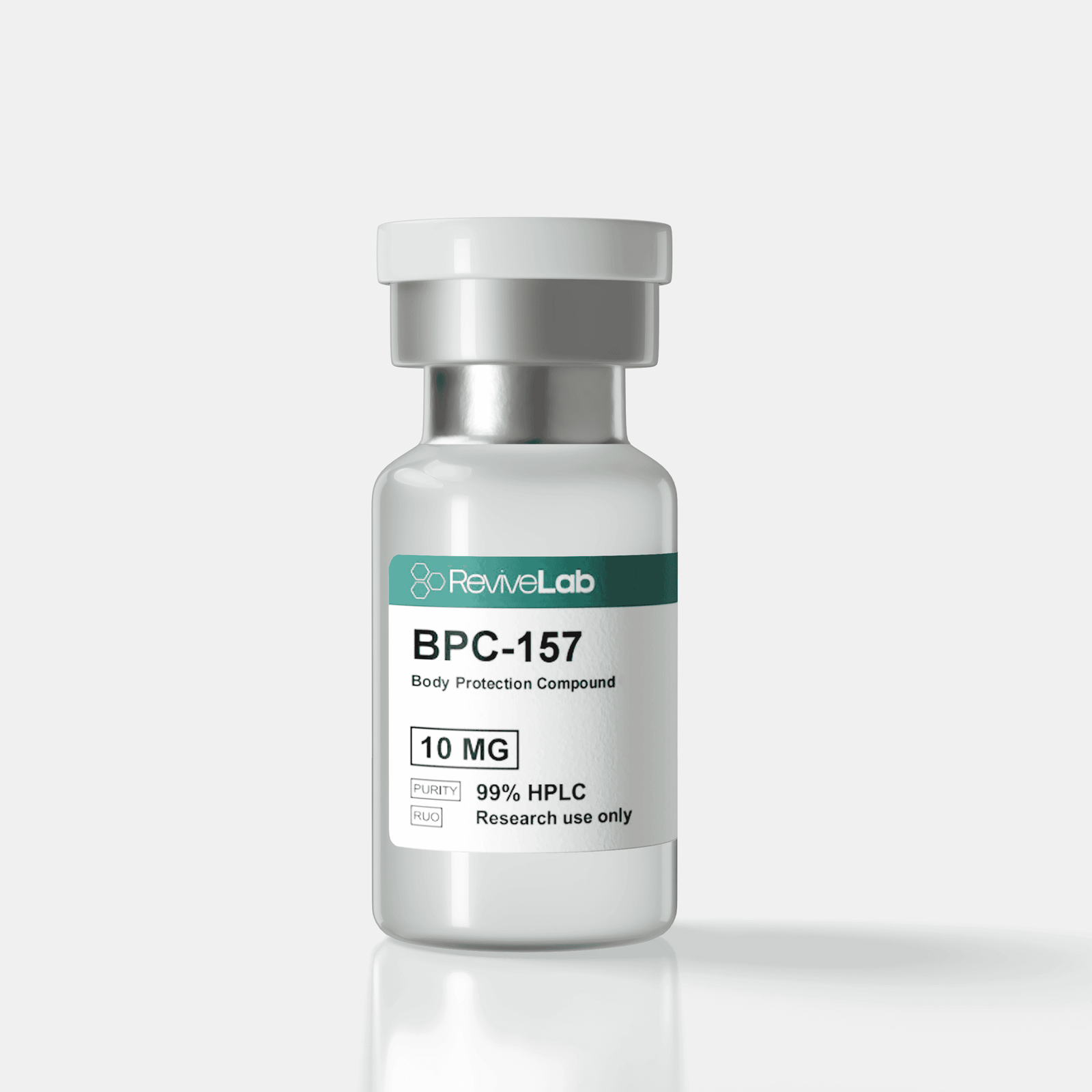
| BPC-157 | Potent angiogenic and cytoprotective peptide improving glucose utilization and cellular repair. | Works synergistically with MOTS-c to restore endothelial and mitochondrial integrity under oxidative or inflammatory stress. |
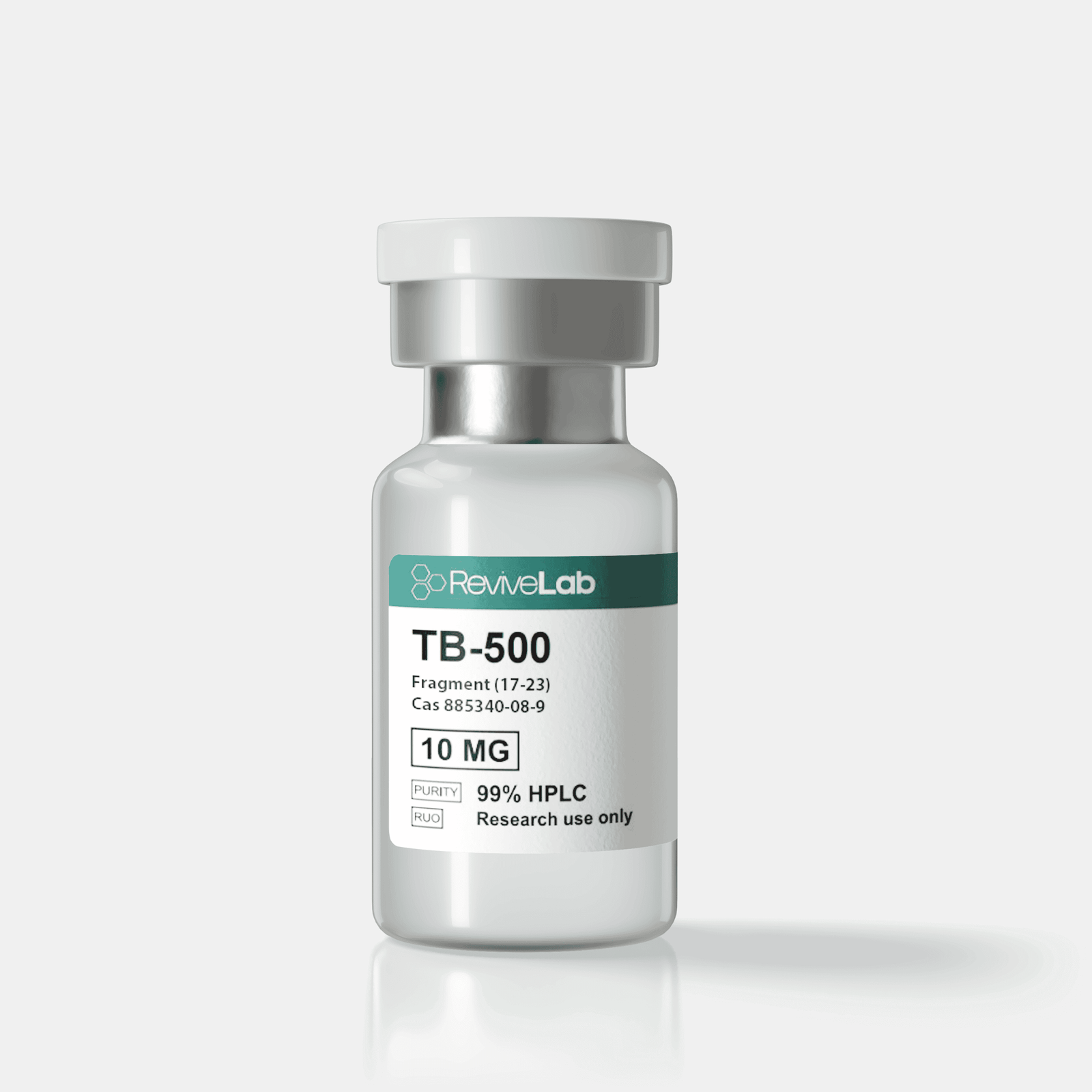
| TB-500 (Thymosin Beta-4) | Enhances cellular migration and angiogenesis; improves oxygenation in metabolically active tissues. | When combined with MOTS-c, supports vascular and mitochondrial regeneration, especially in ischemic or damaged tissue models. |
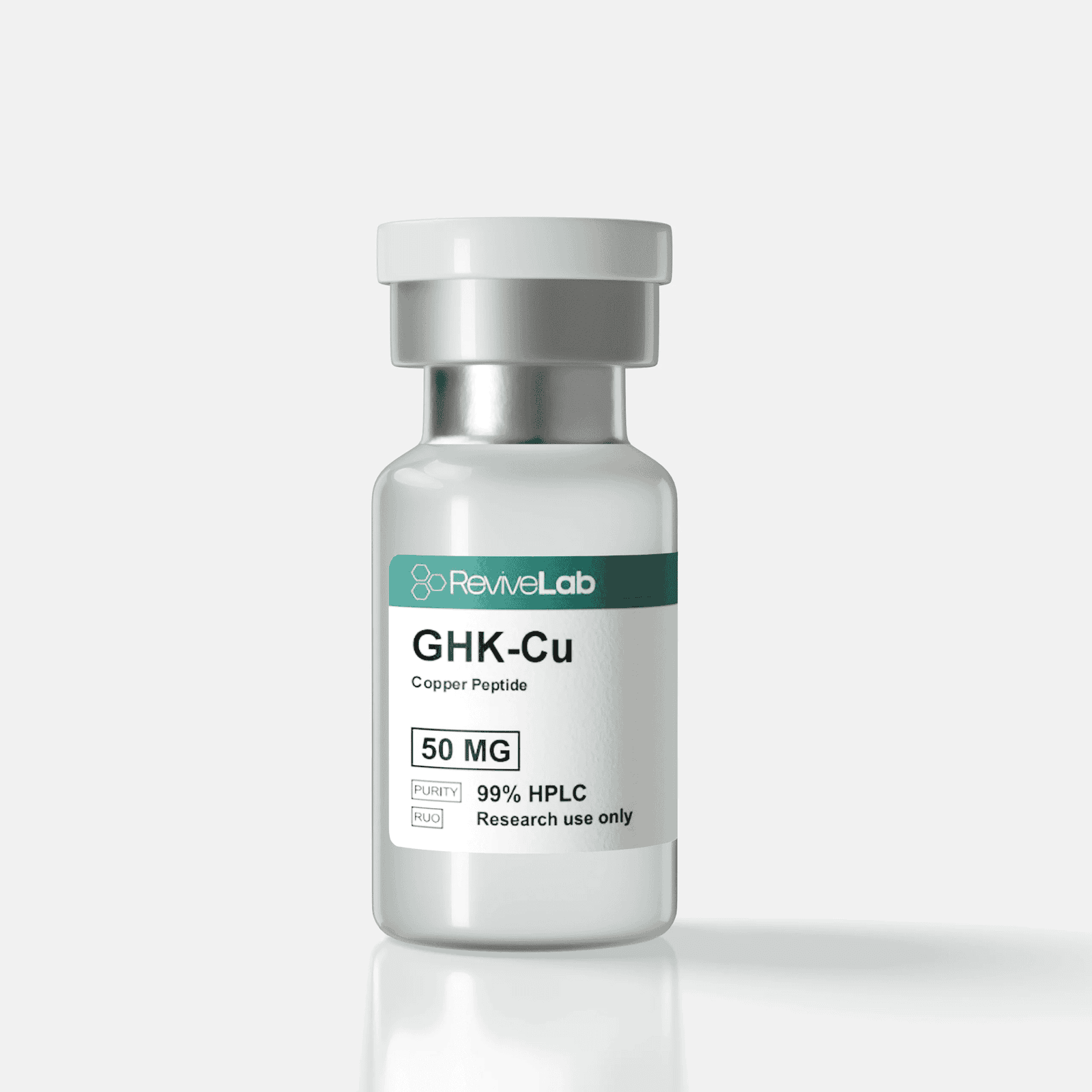
| GHK-Cu | Copper peptide that activates genes for antioxidant enzymes (SOD, catalase) and mitochondrial function. | Complements MOTS-c’s energy-regulating and ROS-lowering properties in cellular-aging and skin-metabolism research. |
| Glutathione | Endogenous antioxidant that neutralizes ROS and supports mitochondrial redox balance | Enhances MOTS-c’s protective effects against oxidative stress and improves cellular energy output. |
| Thymosin Alpha-1 | Immune-regulatory peptide that reduces inflammation and supports mitochondrial biogenesis. | Acts additively with MOTS-c in systemic recovery and metabolic homeostasis models, reducing cytokine-induced mitochondrial damage. |
| NAD⁺ | Central coenzyme for cellular energy and redox metabolism; required for SIRT1-mediated mitochondrial repair. | Directly enhances MOTS-c–induced mitochondrial gene expression and metabolic regulation via the AMPK–SIRT–PGC-1α axis. |
Potential Research Use Cases for MOTS-c Combinations
-
- Metabolic Health & Obesity Models:
MOTS-c + 5-Amino-1MQ / AOD-9604 / NAD⁺
→ Synergistic fat oxidation, insulin sensitivity improvement, and enhanced mitochondrial respiration.
- Energy Metabolism & Performance Research:
MOTS-c + CJC-1295 (No DAC) / Ipamorelin
→ Boosts mitochondrial ATP generation and supports endurance-related metabolic recovery. - Tissue Regeneration & Oxidative Stress Studies:
MOTS-c + BPC-157 / TB-500 / Glutathione
→ Reduces oxidative injury and promotes mitochondrial-driven tissue repair. - Anti-Aging & Longevity Research:
MOTS-c + GHK-Cu / NAD⁺ / Thymosin Alpha-1
→ Supports cellular rejuvenation, telomere protection, and metabolic stability across multiple tissue types. - Systemic Recovery & Mitochondrial Health:
MOTS-c + Glutathione / BPC-157 / TB-500
→ Enhances cellular defense and metabolic recovery during oxidative and inflammatory stress.
- Metabolic Health & Obesity Models:
MOTS-c Research
The mitochondrial-derived peptide composed of 16 amino acids, encoded within the mitochondrial 12S rRNA gene, was discovered in 2015 and identified as a hormone-like signaling molecule (a “mitokine”) involved in regulating metabolism and cellular stress responses (Ref. 1, Ref. 2). Unlike typical peptides, this mitochondrial signal factor is produced inside the mitochondria but exerts its effects throughout the cell and body.
It is highly responsive to physiological stress and exercise, meaning its levels rise during physical activity and then translocate to the cell nucleus to influence gene expression (Ref. 2). Notably, concentrations of this mitokine tend to decline with age and in metabolic disorders, which has driven interest in it as a potential therapeutic research peptide for restoring youthful metabolic function (Ref. 5).
Mechanisms of Action
Mitochondrial Signal & Nuclear Activation: Although encoded in mitochondrial DNA, this mitochondrial-derived peptide exerts many of its effects by acting at the nuclear level. In response to metabolic stress, the molecule rapidly migrates from mitochondria to the nucleus through an AMPK-dependent mechanism and binds transcription factors to activate antioxidant response element (ARE) genes, strengthening the cell’s stress defenses (Ref. 2). This retrograde communication helps restore homeostasis during periods of metabolic challenge.
AMPK Pathway Activation: A central action of this mitokine is activating AMP-activated protein kinase (AMPK), the cell’s primary energy sensor. Through the folate–AICAR–AMPK pathway, the peptide increases glucose uptake and oxidation (Ref. 1). Essentially, it signals cells to burn fuel more efficiently, enhancing metabolic flexibility and energy production. This AMPK activation explains many of its observed benefits on insulin sensitivity, fat metabolism, and cellular stress resistance.
mTORC1 Regulation: This mitochondrial signaling factor also interacts with the mTOR pathway. Research shows it can bind to the Raptor subunit of mTORC1, inhibiting its activity (Ref. 10). By tempering mTOR signaling — a pathway involved in nutrient sensing and growth — the peptide promotes a shift toward maintenance and repair. For example, inhibiting mTOR in immune cells is one way it reduces abnormal T-cell activation. The balance between AMPK (energy production) and mTORC1 (growth signals) is crucial for metabolic adaptability and healthy aging (Ref. 10).
“Exercise Mimetic” Hormone: This mitochondrial-derived signaling peptide behaves similarly to an exercise-induced hormone. Physical training triggers a surge in its production — studies show an ~11-fold increase in skeletal muscle expression and ~1.5-fold increase in circulating levels after a workout (Ref. 5). This mitokine is believed to mediate part of the body’s adaptive response to exercise by coordinating metabolic and stress-response pathways systemically. Conversely, administering the peptide in research models produces exercise-like molecular changes: it regulates hundreds of genes related to metabolism, protein quality control, and stress resistance, mirroring effects seen with endurance training (Ref. 5). In essence, this mitochondrial messenger helps orchestrate the beneficial adaptations associated with exercise and physiological stress.
Metabolic Health and Weight Management
MOTS-c has garnered significant attention for its metabolic benefits. Research across cell, animal, and human studies indicates this peptide plays an important role in maintaining metabolic homeostasis and insulin sensitivity:
Enhances Insulin Sensitivity: One of the primary functions of this metabolic regulatory mitokine is improving insulin action. It promotes glucose uptake into cells through AMPK activation, which increases glycolysis and glucose utilization (Ref. 1). In skeletal muscle — the central site of glucose disposal — the peptide improves insulin sensitivity and metabolic efficiency (Ref. 1, Ref. 5). Research shows that treating aged mice for just one week restored youthful insulin responsiveness, making older animals respond to insulin as effectively as younger ones (Ref. 1). These findings suggest a potential role in counteracting age-related declines in insulin signaling.
Prevents Diet-Induced Obesity: In metabolic syndrome models, this mitochondrial peptide has demonstrated striking protective effects. Mice fed a high-fat diet typically gain significant weight and develop insulin resistance, but those receiving the peptide remained lean and metabolically healthy (Ref. 1). Treated mice did not develop obesity or hyperinsulinemia despite being on a high-calorie diet, while untreated controls did. Importantly, body weight remained unchanged in animals fed a normal diet, indicating this mitokine acts specifically during metabolic stress to restore balance. By directly enhancing muscle glucose metabolism, it helps prevent the cascade of metabolic dysfunction that leads to obesity and insulin resistance.
Improves Glucose Tolerance: Multiple studies show that this mitochondrial-derived peptide improves glucose tolerance and lowers blood sugar in rodent models of diabetes (Ref. 1). It enhances cellular glucose uptake and utilization, preventing chronic hyperglycemia. In type 1 diabetes-prone mice, treatment preserved pancreatic β-cells and maintained normal insulin secretion (Ref. 10), demonstrating benefits across both type 1 and type 2 diabetes contexts.
Human Correlations: While human trials remain limited, observational studies strongly support its metabolic relevance. In one cohort, individuals — particularly men — with higher circulating levels of this peptide displayed healthier metabolic profiles, including lower fasting insulin, lower HbA1c, and lower BMI (Ref. 5). Additionally, the peptide tends to be reduced in obesity; one study found obese adolescents had approximately 20% lower circulating levels than lean peers (Ref. 5). Collectively, these findings position this mitochondrial factor as a key regulator of insulin action and metabolic homeostasis.
Cardiovascular and Heart Health
Maintaining a healthy metabolism has direct benefits for the heart, and research indicates MOTS-c may be cardioprotective as well. The peptide’s effects on AMPK activation and inflammation reduction extend to the cardiovascular system:
Prevents Heart Failure: Research shows that this mitochondrial-derived signaling peptide provides significant cardioprotection in models of cardiac stress. In mouse studies involving cardiac overload or diabetic-heart injury, treatment activated protective signaling pathways such as NRG1/ErbB4 and prevented the development of heart failure or maladaptive remodeling (Ref. 4). Treated animals displayed reduced structural deterioration in cardiac tissue, indicating the peptide helped maintain normal heart function under metabolic and mechanical strain. By supporting AMPK-driven energy balance and reducing cellular stress, this mitokine preserves cardiac resilience.
Exercise-Like Cardiac Benefits: Similar to endurance training, this metabolic regulatory factor exhibits “exercise-mimetic” effects on the heart. Studies comparing aerobic exercise to peptide administration found overlapping benefits, such as improved cardiac structure, enhanced angiogenesis, and reduced inflammation in heart tissue (Ref. 4). These shared outcomes suggest the peptide may support cardiovascular conditioning, making it a promising tool for studying cardiomyopathy and ischemia-related injuries in research settings.
Vascular Endothelial Protection: Beyond direct cardiac effects, the peptide also supports vascular health. It has demonstrated an ability to reduce oxidative stress and inflammation in vascular endothelial cells, preserving their function under damaging conditions (Ref. 4). By activating antioxidant pathways — including NRF2/ARE — and inhibiting pro-inflammatory NF-κB activity, this mitochondrial stress-response molecule helps maintain blood vessel integrity. This vascular support, combined with its metabolic improvements, highlights its potential relevance for research on atherosclerosis, hypertension, and metabolic-cardiovascular interactions.
Muscle Function and Exercise Performance
Because MOTS-c is tightly linked to exercise, several studies have examined its impact on muscle tissue and physical performance. The findings suggest MOTS-c plays a role in muscle energy metabolism and can even enhance exercise capacity:
Increases Endurance and Strength: Because this mitokine is closely tied to exercise biology, several studies have evaluated its role in muscle physiology. Administering the peptide significantly improved running endurance and grip strength in mice (Ref. 5). Remarkably, these improvements were seen not only in young animals but also in middle-aged and older mice, indicating a capacity to counteract age-related declines in physical performance (Ref. 5). Treated mice showed enhanced muscle efficiency and resilience during exercise challenges, consistent with the peptide’s role as an exercise-responsive signal.
Combats Age-Related Muscle Decline: By promoting healthier muscle metabolism, this mitochondrial-derived factor may serve as an anti-frailty agent. Studies found that late-life treatment boosted running capacity and extended healthspan in aged mice (Ref. 5). The peptide increased the expression of genes involved in proteostasis and stress adaptation, helping older muscle tissues function more like youthful ones. These findings suggest a potential role for this peptide in research on sarcopenia, mobility decline, and age-associated muscle dysfunction.
Exercise Mimetic Effects: The skeletal muscle naturally releases this mitochondrial messenger during exercise, with levels rising nearly twelve-fold in muscle tissue and remaining elevated in circulation for hours afterward (Ref. 5). This surge activates pathways associated with metabolic flexibility, endurance, and mitochondrial adaptation. Experimental administration of the peptide produces similar molecular outcomes — upregulating genes for fat oxidation, glucose transport, and fiber-type remodeling (Ref. 5). Functionally, it increases mitochondrial capacity and reduces fatigue in muscle cells, paralleling the benefits of consistent exercise training.
Muscle Repair and Growth: Although research is still emerging, MOTS-c may influence muscle recovery and growth via its metabolic actions. By activating AMPK, it encourages muscles to efficiently recycle nutrients and clear out damaged proteins (a process akin to what happens during exercise recovery) (Ref. 5). There is evidence that MOTS-c can help muscle cells adapt to metabolic stress, making them more resilient to fatigue (Ref. 5). While not an anabolic (muscle-building) hormone per se, the improved energy utilization and reduced oxidative stress in muscle could support better workout performance and recovery, indirectly aiding muscle maintenance.
Longevity and Healthy Aging
MOTS-c has drawn interest in the field of geroscience because it links mitochondrial function with aging. By buffering metabolic stress, MOTS-c may contribute to healthspan and longevity. Key findings related to aging include:
Age-Related Decline in MOTS-c: Studies show that levels of this mitochondrial-derived peptide naturally decrease with age. In both humans and mice, skeletal muscle and circulating concentrations are highest during youth and progressively decline into middle and late life (Ref. 5). For example, young adults were found to have approximately 11–21% higher circulating levels compared to older individuals (Ref. 5). This reduction suggests a gradual loss of the peptide’s protective metabolic influence, which may contribute to age-associated declines in cellular resilience and energy regulation.
Promotes Healthy Aging: Enhancing activity of this mitokine has demonstrated significant pro-longevity effects in laboratory models. As discussed earlier, administering the peptide later in life improved physical performance and metabolic function in aged mice (Ref. 5). At the cellular level, it activates antioxidant and repair pathways — often mediated through NRF2 signaling — that shield mitochondria and other organelles from age-related deterioration (Ref. 2). By maintaining metabolic flexibility and stress tolerance, this mitochondrial signal helps preserve cellular homeostasis, a hallmark of healthy aging.
Longevity Genetic Link: Genetic research has also revealed potential ties between this mitochondrial peptide and exceptional longevity. A particular variant in mitochondrial DNA, affecting position 14 of the peptide, was found enriched in certain long-lived populations such as Japanese centenarians (Ref. 5). Although later studies showed this variant may reduce the peptide’s biological activity, the association underscores its involvement in lifespan regulation. Higher circulating levels correlate with better metabolic health in the elderly, and enhancing its activity in animals can extend healthspan (Ref. 5). Together, these findings highlight the peptide’s potential as a target in research on aging and age-related diseases.
Immune & Inflammation Modulation
Chronic inflammation is a driver of many diseases, and MOTS-c appears to have powerful anti-inflammatory and immunomodulatory effects. Research suggests that MOTS-c helps rein in excessive inflammation and protect tissues from inflammatory damage:
Anti-Inflammatory Action: In vivo research demonstrates that this mitochondrial-derived signaling molecule exerts strong anti-inflammatory effects. Treatment reduces pro-inflammatory cytokines such as TNF-α and IL-6 while increasing anti-inflammatory mediators like IL-10 (Ref. 6). Mechanistically, the peptide activates AMPK in immune cells and inhibits key inflammatory MAPK pathways — including ERK, JNK, and p38 — along with transcription factors such as c-Fos (Ref. 6). By suppressing these major drivers of inflammation, the mitokine helps shift the body toward a more balanced and less damaging immune response.
Pain and Inflammation Relief: The anti-inflammatory properties of this mitochondrial peptide also translate into analgesic effects in models of inflammatory pain. In the mouse formalin test, administration of the peptide significantly reduced pain-related behaviors during the inflammation-associated phase (Ref. 6). Importantly, blocking AMPK eliminated this effect, confirming that AMPK activation is a key mechanism behind its pain-modulating properties (Ref. 6). These findings suggest a dual role: dampening inflammatory pathways and reducing the resulting nociceptive signals.
Immune Homeostasis: Beyond lowering generalized inflammation, this mitochondrial stress-response factor helps regulate immune cell behavior to prevent excessive tissue damage. In autoimmune diabetes-prone mice, for example, treatment prevented destructive T-cell infiltration of pancreatic islets (Ref. 10). This occurred through inhibition of the mTORC1 pathway in T-cells, which reduced their glucose-driven activation and increased regulatory T-cell populations (Ref. 10). As a result, treated mice were protected from developing type 1 diabetes. These effects highlight the peptide’s role in fine-tuning immune activity to maintain balance and prevent immune-mediated tissue destruction.
Cellular Stress Protection: In alignment with its immune-modulating properties, the peptide enhances cellular defenses against oxidative and inflammatory damage. It activates NRF2-driven antioxidant genes and reduces intracellular oxidative stress (Ref. 2). Interestingly, it can also influence NF-κB in a protective way—activating downstream survival factors rather than promoting inflammation (Ref. 2). Through this nuanced control of multiple pathways, the molecule helps cells mount effective defenses while preventing harmful overactivation of inflammatory responses.
Neuroprotection and Cognitive Benefits
While MOTS-c primarily acts on peripheral metabolism, emerging research indicates it also has neuroprotective potential in the brain, especially under conditions of stress or injury. Although the peptide does not easily cross the blood-brain barrier, scientists have found ways to deliver MOTS-c to the central nervous system in animal models, revealing notable benefits for cognition and neuronal health:
Enhances Cognitive Function: Emerging research indicates that this mitochondrial-derived peptide may offer cognitive benefits, especially under conditions of stress or neuronal challenge. When delivered directly to the brain (or via a brain-penetrant analog), the molecule improved learning and memory in rodent studies — enhancing object recognition, spatial memory, and memory consolidation (Ref. 7). These effects were observed in both healthy mice and models of cognitive impairment. The improvements suggest that the mitokine supports synaptic plasticity and neural pathways involved in long-term memory formation, likely through its metabolic and anti-inflammatory actions within neuronal tissue.
Protects Against Alzheimer’s Factors: One notable finding is the peptide’s ability to protect against Alzheimer’s-related toxicity. In models where mice were exposed to amyloid-beta (Aβ₁₋₄₂), which normally induces memory deficits, treatment preserved cognitive performance (Ref. 7). The molecule also prevented cognitive decline caused by lipopolysaccharide (LPS)–induced neuroinflammation (Ref. 7). Mechanistically, the protective effects involved AMPK activation in the brain and suppression of neuroinflammatory processes, including reduced activation of microglia and astrocytes. Lower levels of inflammatory cytokines in the brain further contributed to neuroprotection.
Anti-Neuroinflammatory Mechanism: In models of traumatic brain injury (TBI), peripheral administration of the peptide significantly reduced brain inflammation and cell death. Researchers observed downregulation of macrophage migration inhibitory factor (MIF), a major inflammatory mediator that drives neuronal damage after TBI (Ref. 8). By suppressing MIF, the molecule also reduced TNF-α, IL-1β, and IL-6 levels, and prevented activation of RIPK1—an enzyme involved in programmed necrotic cell death (Ref. 8). The peptide improved mitochondrial function by promoting lipid oxidation during post-injury metabolic stress, leading to reduced tissue loss and better neurological outcomes.
Potential Therapeutic Avenue: Although human studies are still lacking, these preclinical findings suggest potential applications for this mitochondrial messenger in protecting cognitive function and reducing neuroinflammation. Its unique origin as a mitochondria-encoded peptide allows it to engage pathways not typically targeted by existing neuroprotective agents. Ongoing research is exploring whether enhancing the peptide’s activity in peripheral tissues may indirectly benefit the brain through metabolic-immune crosstalk. For now, its role in safeguarding neurons from metabolic and inflammatory stress continues to be a promising scientific direction.
Bone Health and Osteoporosis
Another emerging area of MOTS-c research is its impact on bone metabolism. Healthy bones require a balance between bone formation (by osteoblast cells) and bone resorption (by osteoclast cells). MOTS-c has been found to favorably influence this balance, suggesting a role in combating osteoporosis and promoting stronger bones:
Stimulates Bone Formation: Research shows that this mitochondrial-derived peptide supports bone-building processes by promoting osteoblast activity. In vitro studies demonstrated increased expression of osteogenic markers such as alkaline phosphatase (ALP), Runx2, and osteocalcin following treatment (Ref. 9). These changes reflect enhanced differentiation of precursor cells into osteoblasts. In an animal model of localized bone loss, local administration of the peptide increased bone density and protected against structural deterioration near the affected site (Ref. 9). This indicates a strong capacity to stimulate bone regeneration.
Suppresses Bone Resorption: The peptide also plays a role in limiting bone breakdown by inhibiting osteoclast formation. Osteoclasts are responsible for bone resorption, and excessive activity leads to osteoporosis. Research shows the molecule interferes with RANKL-induced gene expression required for osteoclast differentiation (Ref. 3). In a postmenopausal osteoporosis model using ovariectomized rats, treatment significantly reduced bone loss by decreasing osteoclast number and activity — an effect dependent on AMPK activation (Ref. 3). By restraining bone-resorbing cells, the peptide shifts the balance toward preservation of skeletal mass.
Improves Bone Density: With its dual impact on osteoblasts and osteoclasts, the peptide leads to measurable improvements in bone mineral density and overall bone strength. Research indicates it enhances collagen synthesis and supports matrix formation via TGF-β/Smad signaling (Ref. 9). The result is improved bone architecture and resilience in models of bone fragility (Ref. 3, Ref. 9). These findings position this mitochondrial signaling factor as a promising tool in research focused on osteoporosis, aging-related bone loss, and skeletal regeneration.
Conclusion
MOTS-c is a remarkable mitochondria-born peptide that has demonstrated a wide array of beneficial effects in research settings. From enhancing metabolic health (improving insulin sensitivity, promoting weight control) (Ref. 1, Ref. 5), to boosting physical performance and mimicking exercise (Ref. 5), to protecting the heart (Ref. 4), brain (Ref. 7, Ref. 8), bones (Ref. 3, Ref. 9), and more – MOTS-c appears to be a master regulator of cellular energy and stress responses. It operates as a crucial communication link between mitochondria and the rest of the body, ensuring that energy status and stress signals are properly balanced for optimal function.
By activating AMPK and adaptive gene networks, MOTS-c rejuvenates metabolic functions and guards against age-related decline, earning it attention as a longevity-promoting factor (Ref. 2, Ref. 5). All these benefits make MOTS-c an exciting peptide for research use in the fields of metabolism, aging, and regenerative medicine. Scientists continue to study MOTS-c in vitro and in vivo to fully elucidate its mechanisms and therapeutic potential.
In summary, MOTS-c offers a multifaceted profile of benefits grounded in scientific evidence: improved glucose regulation, enhanced fat metabolism, greater insulin sensitivity, reduced inflammation, better exercise capacity, organ protection (muscle, heart, bone, brain), and indications of promoting longevity. These properties position MOTS-c as a promising research peptide for exploring treatments of metabolic disorders, age-associated diseases, and beyond – underscoring the slogan that MOTS-c helps “make old cells act young again” by restoring the metabolic balance our bodies need for health.
MOTS-c Research References
| Ref. No. | Study / Source | Focus / Key Findings | Link |
|---|---|---|---|
| 1 | Lee, C., et al. (2015). The mitochondrial-derived peptide MOTS-c promotes metabolic homeostasis and reduces obesity and insulin resistance. | Discovery paper: MOTS-c activates AMPK, improves glucose metabolism, and protects against diet-induced obesity/insulin resistance in mice. | PubMed |
| 2 | Kim, K.H., et al. (2018). The Mitochondrial-Encoded Peptide MOTS-c Translocates to the Nucleus to Regulate Nuclear Gene Expression in Response to Metabolic Stress. | Shows AMPK-linked nuclear translocation and ARE-gene activation during stress. | PubMed |
| 3 | (Bone/anti-resorption) Che, N., et al. (2019). MOTS-c improves osteoporosis by promoting the synthesis of type I collagen in osteoblasts via TGF-β/SMAD. | Osteogenic and anti-osteoporotic effects; complements evidence that MOTS-c suppresses osteoclast activity. | PubMed |
| 4 | Li, S., et al. (2022). MOTS-c and exercise restore cardiac function by activating NRG1/ErbB4 in diabetic hearts. | Cardioprotection; exercise-mimetic effects and improved remodeling. | PubMed |
| 5 | Reynolds, J.C., et al. (2021). MOTS-c is an exercise-induced mitochondrial-encoded regulator of physical performance and muscle homeostasis. | Human/mouse evidence for exercise induction; improved endurance across ages; late-life benefits. | PubMed |
| 6 | Yin, X., et al. (2020). Intraperitoneal MOTS-c produces antinociceptive and anti-inflammatory effects via AMPK in the mouse formalin test. | In vivo analgesia and cytokine/MAPK modulation; AMPK-dependent. | PubMed |
| 7 | Jiang, J.H., et al. (2021). Peripheral administration of a cell-penetrating MOTS-c analogue enhances memory and prevents memory impairment. | Improves learning/memory; protects against Aβ and LPS memory deficits. | PubMed |
| 8 | Li, F., et al. (2024). Neuroprotective mechanism of MOTS-c in TBI mice: down-regulation of MIF/RIPK1 and improved energy metabolism. | TBI model: reduced neuroinflammation/cell death; better neurological outcomes. | PubMed |
| 9 | Hu, B-T., & Chen, W-Z. (2018). MOTS-c improves osteoporosis by promoting osteogenic differentiation of BMSCs via TGF-β/Smad. | Osteoblast differentiation; bone formation markers and calcified nodules increased. | PubMed |
| 10 | Kong, B.S., et al. (2021). Mitochondrial-encoded MOTS-c prevents pancreatic islet destruction by regulating T-cell mTORC1 signaling in NOD mice. | Immune modulation: binds Raptor, shifts T-cell metabolism, prevents autoimmune diabetes. | PubMed |
Vial Specifications
Vial Specifications & Handling
- Each vial contains peptides at 104% of the labeled amount
- Supplied as a lyophilized (freeze-dried) powder for stability and extended shelf life.
- Requires reconstitution with Bacteriostatic water.
Vial Dimensions & Capacity
- Dimensions: 16 mm (diameter) × 38 mm (height).
- Maximum volume: Holds up to 3 mL of bacteriostatic water.
Stack With
GHK-CU
Related Products