Back to all products

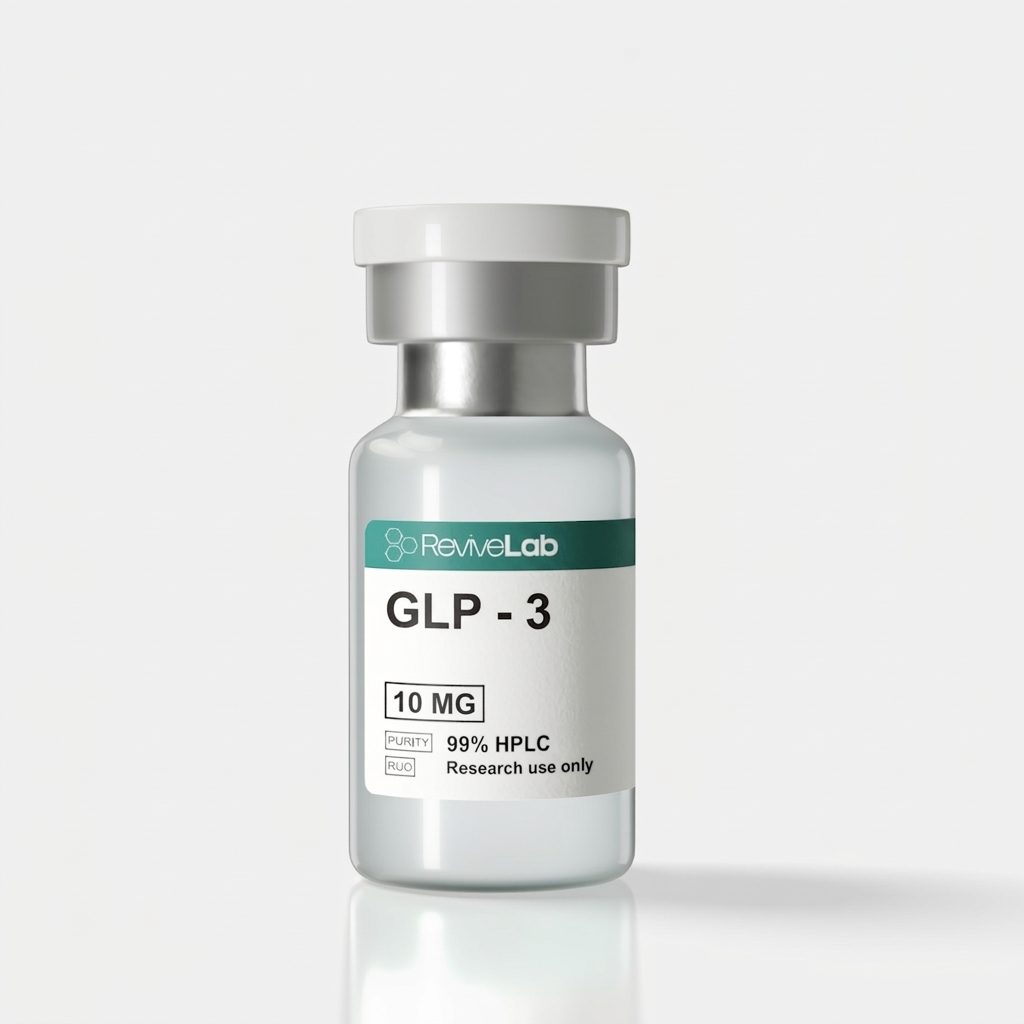
GLP-3

GLP-3 – Triple Agonist Metabolic Research Peptide
GLP-3 is an experimental triple-agonist peptide targeting the GLP-1, GIP, and glucagon receptors. It is currently being investigated in metabolic research for its multi-receptor activity and its potential relevance to energy balance, glucose regulation, and related signaling pathways. Researchers are studying its interaction with appetite signaling, thermogenic pathways, lipid metabolism, and glucose homeostasis within the broader context of incretin-pathway research.

For a broader overview of related research compounds, see our full GLP-1 vs GLP-2 vs GLP-3 comparison.

-
+
GLP-3 Summary

Fat Loss & Body Composition Research

  • Studied for its interaction with multiple receptor pathways involved in metabolic signaling and energy balance.
  • Investigated in experimental models for its influence on adipose tissue dynamics and fat metabolism.
  • Explored for potential effects on visceral and subcutaneous fat distribution in controlled research settings.
  • Evaluated for its role in body composition changes and cellular energy utilization.
  • Examined in studies focusing on metabolic efficiency and tissue-specific fat storage mechanisms.

Appetite Regulation & Energy Intake Research

  • Studied for its interaction with central and peripheral signaling pathways involved in appetite regulation.
  • Investigated in models examining satiety-related signaling and feeding behavior.
  • Explored for its influence on gastrointestinal signaling and nutrient intake patterns.
  • Multi-receptor activity is examined for its role in coordinated appetite-related signaling responses.

Glucose Regulation & Insulin Signaling Research

  • Examined for its involvement in glucose-related signaling pathways and cellular energy balance.
  • Studied in the context of insulin signaling and metabolic response mechanisms.
  • Investigated for its interaction with pathways governing glucose utilization and endocrine signaling.
  • Explored in experimental settings focusing on insulin sensitivity markers and metabolic regulation.
  • Evaluated for its role in pancreatic signaling and hormone-mediated metabolic processes.

Liver Function & Metabolic Tissue Research

  • Studied in relation to hepatic metabolism and lipid processing pathways.
  • Investigated for its interaction with cellular signaling involved in fat accumulation and metabolic stress.
  • Explored in experimental models examining liver tissue function and metabolic regulation.
  • Evaluated for its influence on pathways associated with lipid metabolism and cellular homeostasis.

Cardiovascular & Vascular Research

  • Studied for its role in cardiometabolic signaling and vascular-related pathways.
  • Investigated in relation to lipid metabolism and systemic metabolic processes.
  • Explored for its interaction with signaling molecules involved in inflammation and endothelial function.
  • Examined for broader effects within integrated metabolic and vascular research models.

Energy Expenditure & Metabolic Activity

  • Studied for its involvement in cellular energy regulation and metabolic pathway coordination.
  • Investigated in models examining substrate utilization and energy balance.
  • Explored for its interaction with pathways related to mitochondrial activity and metabolic efficiency.
  • Evaluated for its role in overall energy dynamics and nutrient processing systems.

Inflammation & Adipose Tissue Research

  • Studied for its interaction with signaling pathways associated with inflammation and metabolic stress.
  • Investigated in relation to adipose tissue signaling and endocrine communication.
  • Explored for its role in adipose tissue function and cellular remodeling processes.
  • Examined in experimental models assessing metabolic and inflammatory pathway interactions.

Muscle & Tissue Composition Research

  • Studied in the context of tissue composition and cellular energy allocation.
  • Investigated for its influence on metabolic signaling related to muscle and fat balance.
  • Explored in models examining protein metabolism and tissue-level responses.
  • Evaluated for its role in maintaining cellular function across different tissue types.

Hormonal Axis & Metabolic Signaling Crosstalk

  • Studied for its interaction with multiple receptor systems involved in endocrine signaling.
  • Investigated in models examining coordinated hormonal responses and pathway integration.
  • Explored for its role in nutrient signaling and metabolic communication networks.
  • Provides a research model for studying complex multi-pathway signaling systems.
GLP-3 Synergies & Additive Research Compounds

To maximize the utility of GLP-3 in experimental models, researchers often combine it with synergistic compounds that enhance energy expenditure, protect muscle mass, or amplify metabolic outcomes. These combinations are used in models of obesity, metabolic syndrome, NAFLD/NASH, and endocrine disorders. Below is a summary of notable GLP-3 synergies validated in preclinical and clinical research:

GLP-3 Synergistic Compounds

Compound Mechanism of Synergy Relevant Research / Notes
AOD-9604 GH-fragment peptide promoting lipolysis and fatty-acid oxidation without increasing IGF-1. Complements GLP-3’s glucagon-driven thermogenic effects; enhances adipose mobilization in metabolic studies.
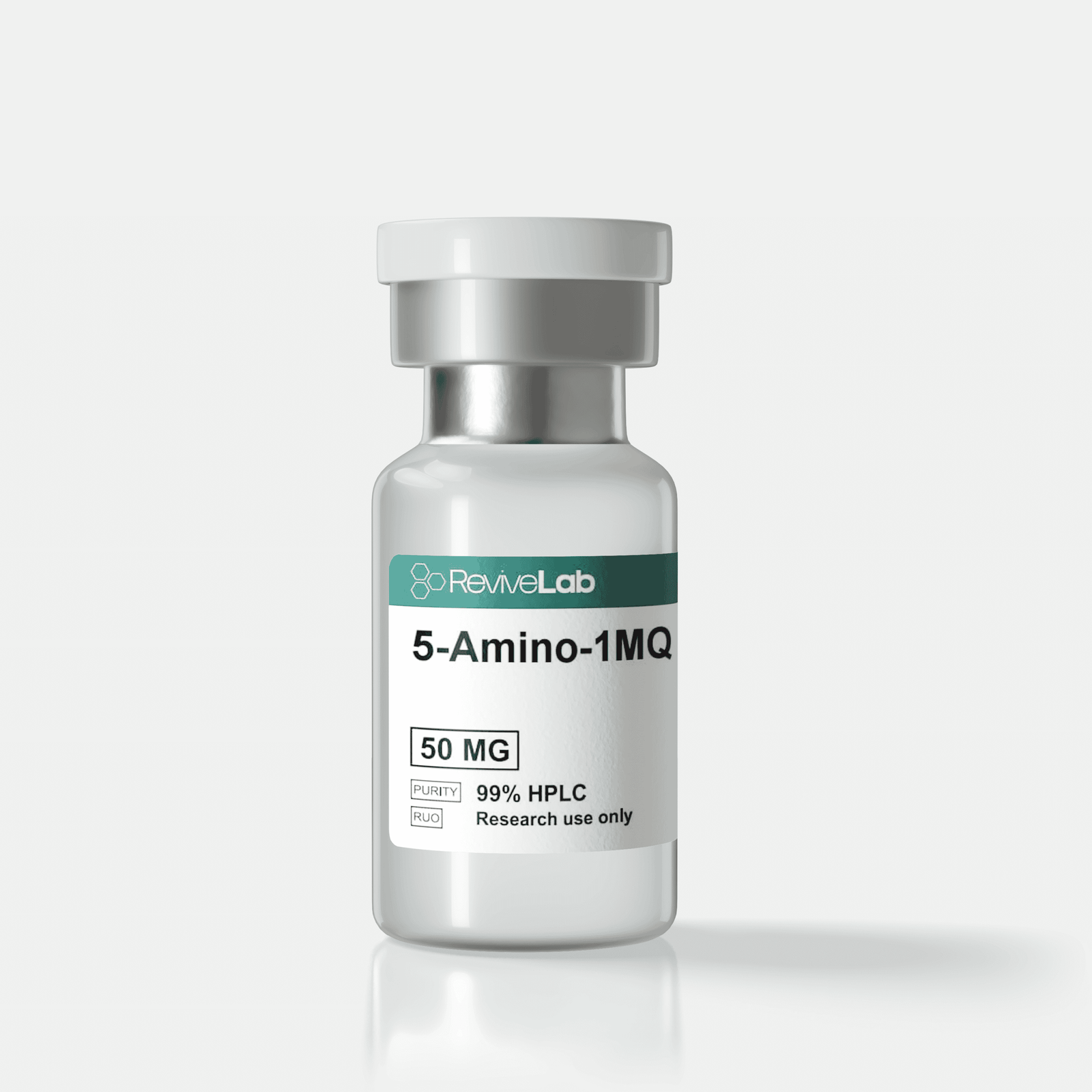
5-Amino-1MQ NNMT inhibitor that elevates NAD⁺ and activates SIRT1; boosts metabolic rate and insulin sensitivity. Works additively with GLP-3’s incretin signaling to enhance energy expenditure and glucose control.
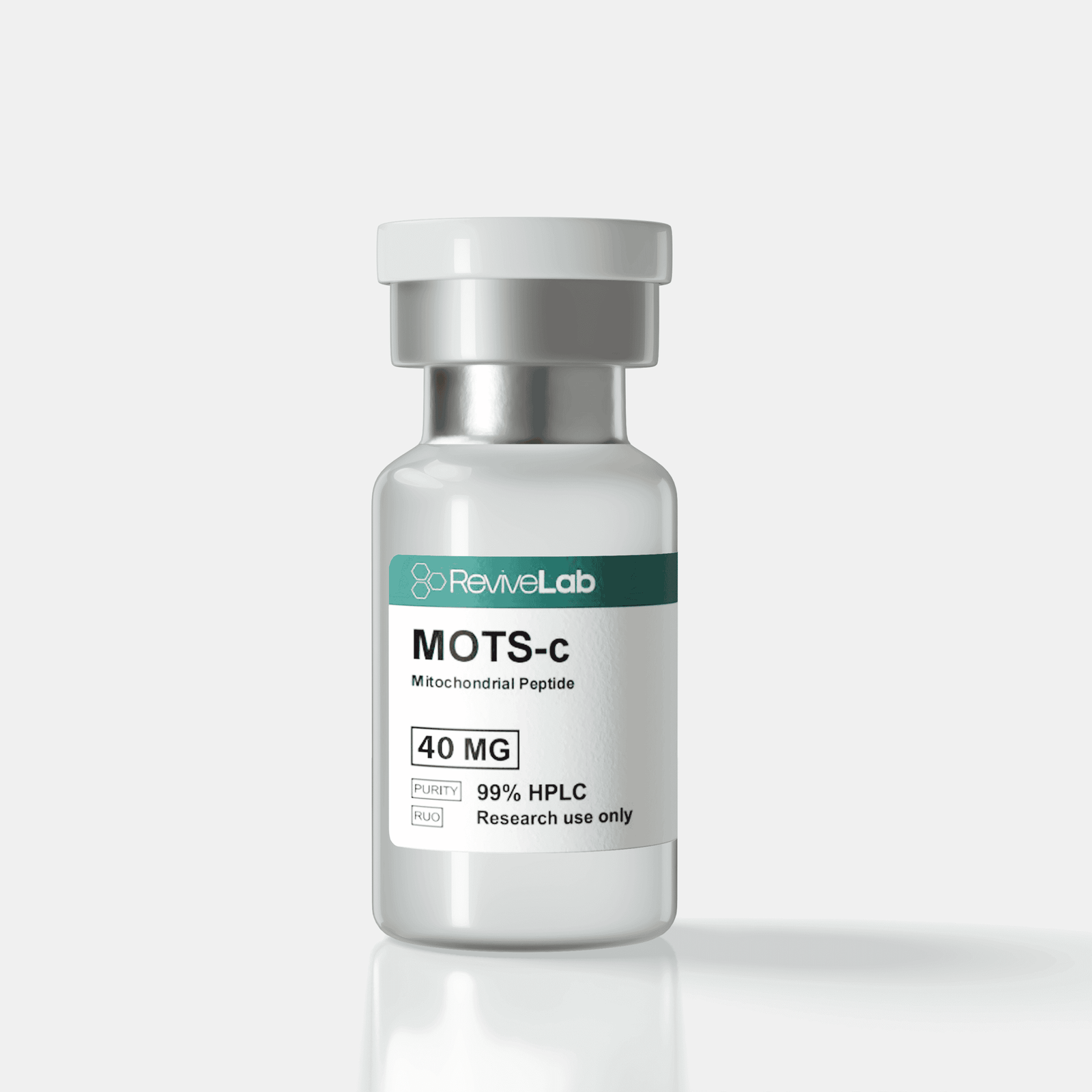
MOTS-c Mitochondrial peptide activating AMPK and improving glucose uptake in skeletal muscle. Synergizes with GLP-3’s GLP-1/GIP effects on insulin sensitivity and mitochondrial biogenesis.
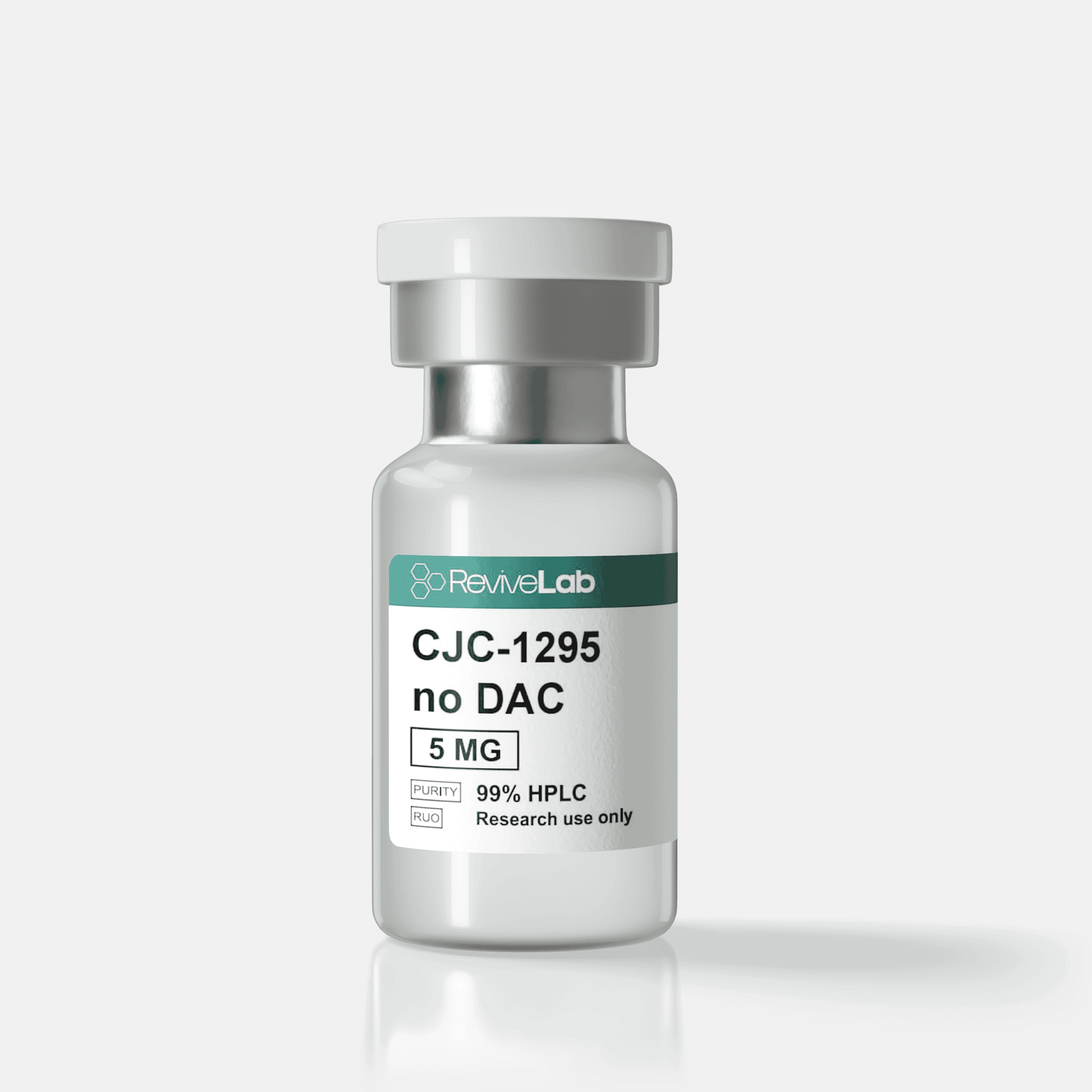
CJC-1295 (No DAC) GHRH analog that increases GH and IGF-1 release; supports lean-mass preservation during caloric restriction. Balances GLP-3’s fat-loss effects by sustaining muscle protein synthesis in metabolic models.
Ipamorelin Selective GH secretagogue enhancing pulsatile GH secretion and metabolic rate. Combined with GLP-3 to optimize body-composition studies (fat loss + muscle retention).
BPC-157 Regenerative peptide that improves angiogenesis and endothelial repair; supports gut and hepatic function. Protects gastrointestinal and hepatic tissue in models with incretin or glucagon analog administration.
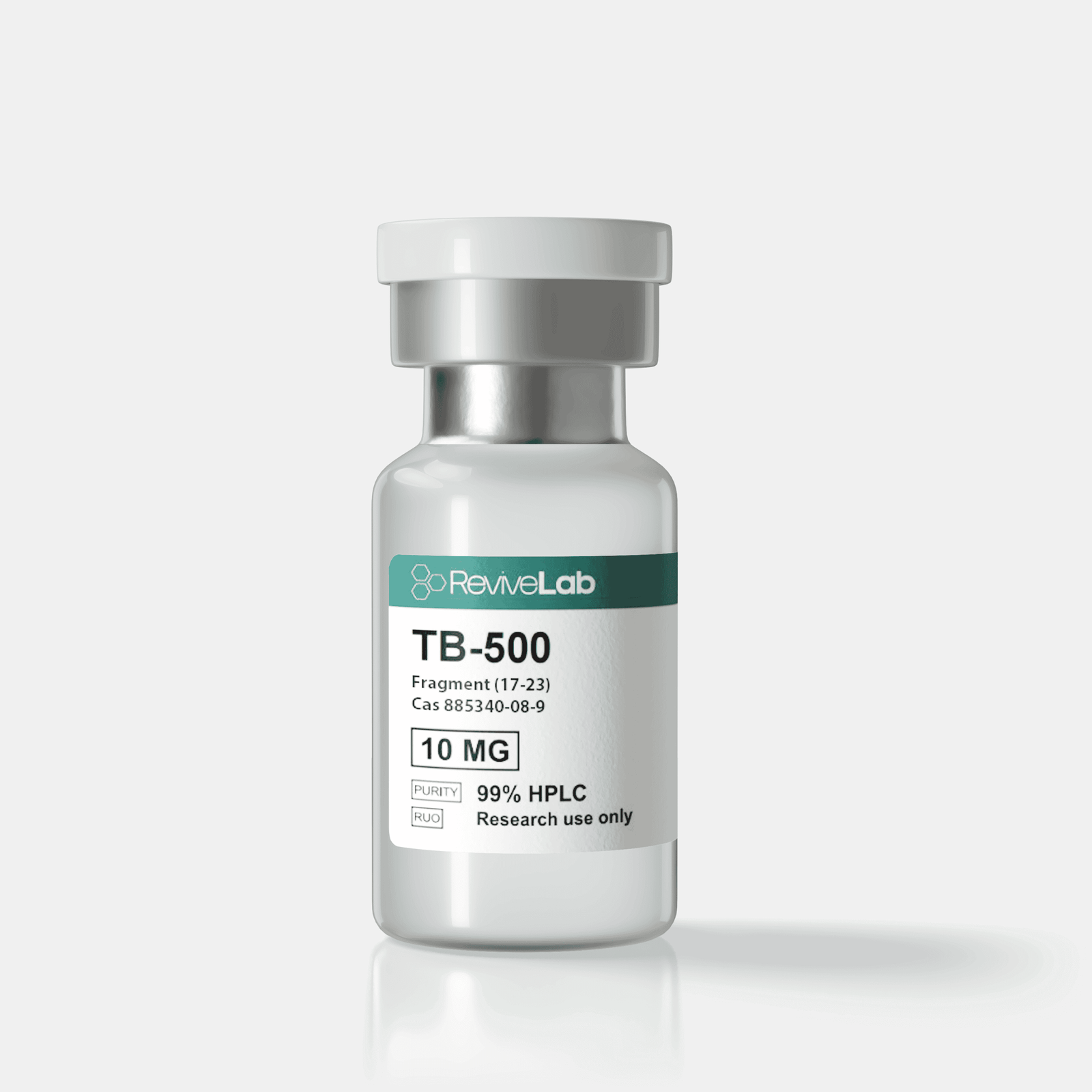
TB-500 (Thymosin Beta-4) Enhances cellular migration and vascular recovery; reduces oxidative tissue damage. Synergizes with GLP-3 to maintain tissue integrity during metabolic stress or weight-reduction protocols.
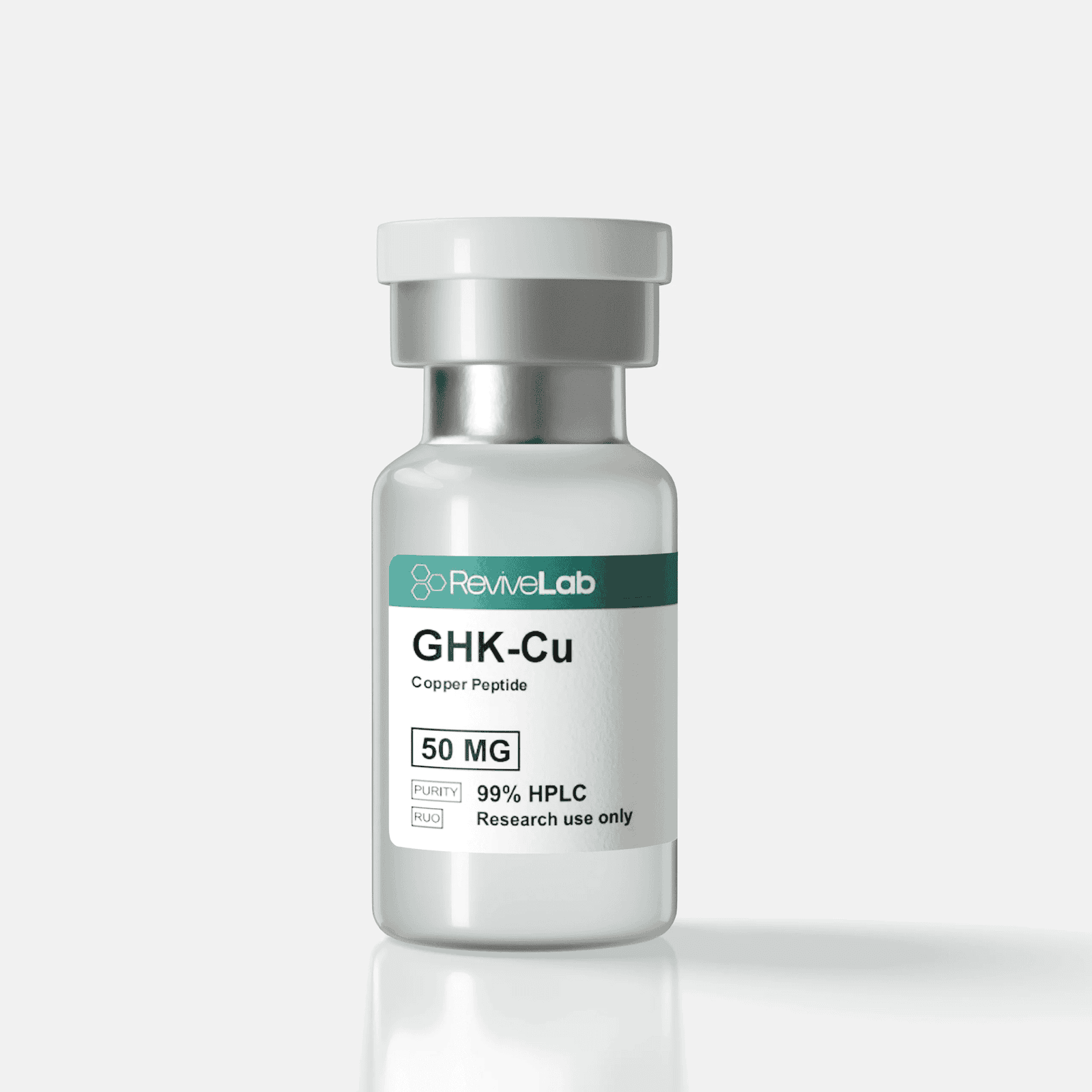
GHK-Cu Copper peptide that activates antioxidant genes and improves collagen matrix turnover. Supports dermal and connective-tissue repair in metabolic or aging-related studies with GLP-3.
Glutathione (GSH) Core antioxidant peptide maintaining NAD⁺/NADH balance and mitochondrial redox state. Used with GLP-3 in oxidative-stress and hepatic-function models to enhance detoxification capacity.
Thymosin Alpha-1 Immune-regulating peptide that reduces inflammatory cytokines and improves insulin sensitivity. Complements GLP-3’s anti-inflammatory and metabolic effects for systemic balance.


Potential Research Use Cases for GLP-3 Combinations

  • Metabolic & Obesity Models: GLP-3 + AOD-9604 + 5-Amino-1MQ + MOTS-c → Synergistic fat oxidation, NAD⁺ preservation, and improved insulin signaling.
  • Muscle Preservation & Body-Composition Studies: GLP-3 + CJC-1295 (No DAC) + Ipamorelin → Enhances GH-IGF-1–driven lean-mass retention during adipose reduction research.
  • Tissue & Vascular Recovery: GLP-3 + BPC-157 + TB-500 → Supports angiogenesis, hepatic repair, and endothelial resilience during metabolic stress.
  • Tissue Remodeling During Fat Reduction: GLP-3 + GHK-Cu + BPC-157 → Promotes tissue repair, skin resilience, and angiogenesis to offset rapid fat mass depletion effects.
  • Antioxidant & Cellular Protection: GLP-3 + Glutathione + GHK-Cu → Reinforces mitochondrial redox balance and collagen stability in aging-related metabolic models.
  • Immune & Inflammatory Balance: GLP-3 + Thymosin Alpha-1 + MOTS-c → Promotes immune-metabolic harmony and reduces cytokine stress in metabolic disease research.
GLP-3 Research

GLP-3 is a triple hormone receptor agonist that targets GLP-1, GIP, and glucagon receptors. This single-chain peptide is engineered for once-weekly administration and is being investigated for metabolic research applications related to body weight regulation and glucose control. By activating three complementary metabolic pathways, GLP-3 has shown potential benefits in research settings related to weight management and glycemic support, while showing a safety and tolerability profile broadly similar to other incretin-based therapies, with gastrointestinal effects among the most commonly noted in studies (Ref. 7, 8).

Fat Loss and Body Composition Improvements

Weight Reduction: Across Phase 2 obesity research, GLP-3 has been associated with reductions in body weight and continues to be studied as an investigational anti-obesity agent. In adult obesity trials, weight-related outcomes were observed across dose groups, supporting continued interest in its metabolic research potential (Ref. 1).

Reduced Adiposity and Waist Size: The same research program also observed reductions in total fat mass and waist circumference, with imaging findings suggesting changes in both visceral and subcutaneous abdominal fat depots, which are commonly examined in cardiometabolic research (Ref. 1, 6).

Improved Body Composition (Fat vs. Lean): Body-composition analyses suggest that weight loss with GLP-3 may be driven largely by reductions in fat stores, with relative preservation of lean mass. In a DXA substudy in type 2 diabetes, GLP-3 reduced total fat mass while the proportion of lean-mass change relative to total weight loss appeared generally comparable to other incretin-based therapies (Ref. 6).

Appetite and Satiety Mechanisms

Enhanced Satiety Signals: GLP-1 and GIP receptor agonism engages hypothalamic and brainstem circuits involved in satiety and appetite regulation. GLP-3 is being studied for its ability to influence energy intake and meal-related glycemic responses in a dose-dependent fashion (Ref. 4).

Slowed Gastric Emptying: GLP-1R activation slows gastric emptying, while glucagon-receptor signaling may contribute to post-prandial nutrient handling. The tri-agonist design may support gastric retention and prolonged fullness in research settings (Ref. 4).

Dual Appetite Suppression: Beyond incretins, partial glucagon-receptor agonism may add an additional appetite-related and energy-expenditure signal. Historically, tri-agonists have attracted interest in preclinical feeding paradigms and energy-balance models because of this combined mechanism (Ref. 5).

Glycemic Control and Insulin Sensitivity

Lower Blood Glucose and HbA1c: In type 2 diabetes research, GLP-3 has been associated with reductions in HbA1c and fasting plasma glucose and continues to be studied for its potential role in glycemic regulation (Ref. 2).

Prediabetes and Glucose Regulation: In obesity research, participants with prediabetes showed changes toward improved glycemic status while using GLP-3, consistent with broader metabolic improvements linked to body weight and insulin action (Ref. 1).

Increased Insulin Sensitivity: Across trials and substudies, GLP-3 has been associated with changes in fasting insulin, C-peptide, and HOMA-IR, which may reflect improved insulin responsiveness and reduced metabolic demand (Ref. 3).

Cardiometabolic and Liver Effects

Blood Pressure Reduction: Blood pressure changes were observed with GLP-3 in some studies, plausibly in connection with weight loss, neurohormonal shifts, and endothelial effects. These findings support ongoing interest in its broader cardiometabolic profile (Ref. 2)

Improved Lipid Profile: GLP-3 has also been associated with changes in lipid-related markers such as LDL-C, VLDL, and triglycerides, supporting interest in a broader cardiometabolic effect beyond glycemia and body weight alone (Ref. 1, 9).

Reduction in Liver Fat (NAFLD/NASH): In a MASLD Phase 2 substudy, GLP-3 was associated with reductions in liver fat and with changes in liver-related biomarkers, supporting continued investigation into its potential relevance for fatty liver and steatohepatitis research (Ref. 3).

Improved Liver Biomarkers: Biomarkers of hepatocellular injury and fibrosis, including ALT, AST, K-18, and Pro-C3, were reduced in treated subjects, suggesting potential improvements in liver-related metabolic stress.

Overall Cardiometabolic Health: Multi-endpoint changes involving body weight, glycemia, blood pressure, lipids, hepatic fat, and inflammatory adipokines suggest broad metabolic activity. Contemporary reviews continue to examine these findings within the context of multi-agonist biology (Ref. 9).

Energy Expenditure and Metabolic Rate

Increased Thermogenesis: Tri-agonists have been studied in preclinical models for their effects on energy expenditure and thermogenic pathways, with glucagon-receptor activity considered one possible contributor to these observations (Ref. 5).

Mitigation of Adaptive Metabolic Slowdown: Sustained, dose-titrated tri-agonism may help support resting energy expenditure during prolonged weight loss, and this remains an area of interest in both human and animal research (Ref. 1, 4).

Higher Fat Oxidation: Mechanistically, partial glucagon-receptor activation may support lipolysis and fatty-acid oxidation, as reflected in preclinical and early translation models examining substrate use and hepatic metabolism (Ref. 4, 5).

Muscle Preservation or Lean Mass Effects

Lean Mass Largely Preserved: While significant weight loss can include some lean-mass reduction, DXA data suggest GLP-3 primarily reduces fat mass with lean-tissue preservation that appears broadly similar to other incretin-based agents (Ref. 6).

Balanced Mechanism and Lean Tissue Considerations: GLP-3 was engineered with lower relative potency at the glucagon receptor than at GLP-1/GIP, with the goal of supporting energy-expenditure and hepatic effects without excessive catabolic activity. This balance continues to be explored in preclinical and translational studies (Ref. 4).

Safety and Tolerability

Adverse Events: The most frequent adverse events are gastrointestinal in nature, including nausea, vomiting, and diarrhea. These effects are generally described as mild-to-moderate and dose or titration dependent, with overall safety observations remaining broadly consistent with the incretin class profile (Ref. 7, 8).

Cardiovascular and Renal Outlook: Beyond Phase 2 cardiometabolic signals involving blood pressure and lipids, larger cardiovascular and renal outcomes research is underway to further evaluate effects on major clinical endpoints in adults with obesity and related risk factors (Ref. 10).

GLP-3 Research References
Ref. No. Study / Source Focus / Key Findings Link
1 Jastreboff A.M., et al. (2023). Triple-Hormone-Receptor Agonist GLP-3 for Obesity. New England Journal of Medicine. Phase 2 obesity trial evaluating changes in body weight, waist circumference, and fat mass over 48 weeks. PubMed
2 Rosenstock J., et al. (2023). GLP-3 for Type 2 Diabetes. The Lancet. Evaluated glycemic markers and body weight in type 2 diabetes research, with findings supporting continued investigation in metabolic regulation. PubMed
3 Sanyal A.J., et al. (2024). GLP-3 for MASLD (Phase 2 Substudy). Nature Medicine. Examined liver fat and liver-related biomarkers in MASLD research, with findings supporting further investigation in hepatic metabolic health. PubMed
4 Coskun T., Urva S., Roell W.C., et al. (2022). LY3437943, a novel triple glucagon, GIP, and GLP-1 receptor agonist for glycemic control and weight loss: From discovery to clinical proof of concept. Cell Metabolism 34(9): 1234-1247.e9. Describes the discovery and translational development of GLP-3 (LY3437943), including its balanced multi-receptor agonist design and early research findings. PubMed
5 Finan B., et al. (2014). Monomeric GLP-1/GIP/Glucagon Tri-agonist. Nature Medicine. Foundational tri-agonist research describing mechanistic rationale and metabolic effects observed in preclinical models. PubMed
6 Coskun T., et al. (2025). Body Composition (DXA) Substudy. Lancet Diabetes & Endocrinology. DXA substudy evaluating changes in fat mass and lean-mass proportion during treatment. PubMed
7 Katsi V., et al. (2025). Review of mechanism, clinical research findings, and safety/tolerability considerations. PMC
8 Eli Lilly and Company (2023). Phase 2 GLP-3 Results Press Release (ADA 2023 / NEJM Publication). Summary of Phase 2 safety and tolerability observations, including gastrointestinal adverse events and support for continued Phase 3 development. PressRelease
9 Goldney J., et al. (2025). Triple Agonism Therapies for Obesity: Focus on GLP-3. Obesity Reviews. Review summarizing emerging research on triple agonism, including metabolic, cardiovascular, and renal areas of interest. PubMed
10 TRIUMPH-OUTCOMES (NCT06383390). ClinicalTrials.gov. Ongoing Phase 3 cardiovascular and renal outcomes trial evaluating major cardiovascular and kidney-related endpoints in adults with obesity and related risk factors. ClinicalTrials.gov

Related Products