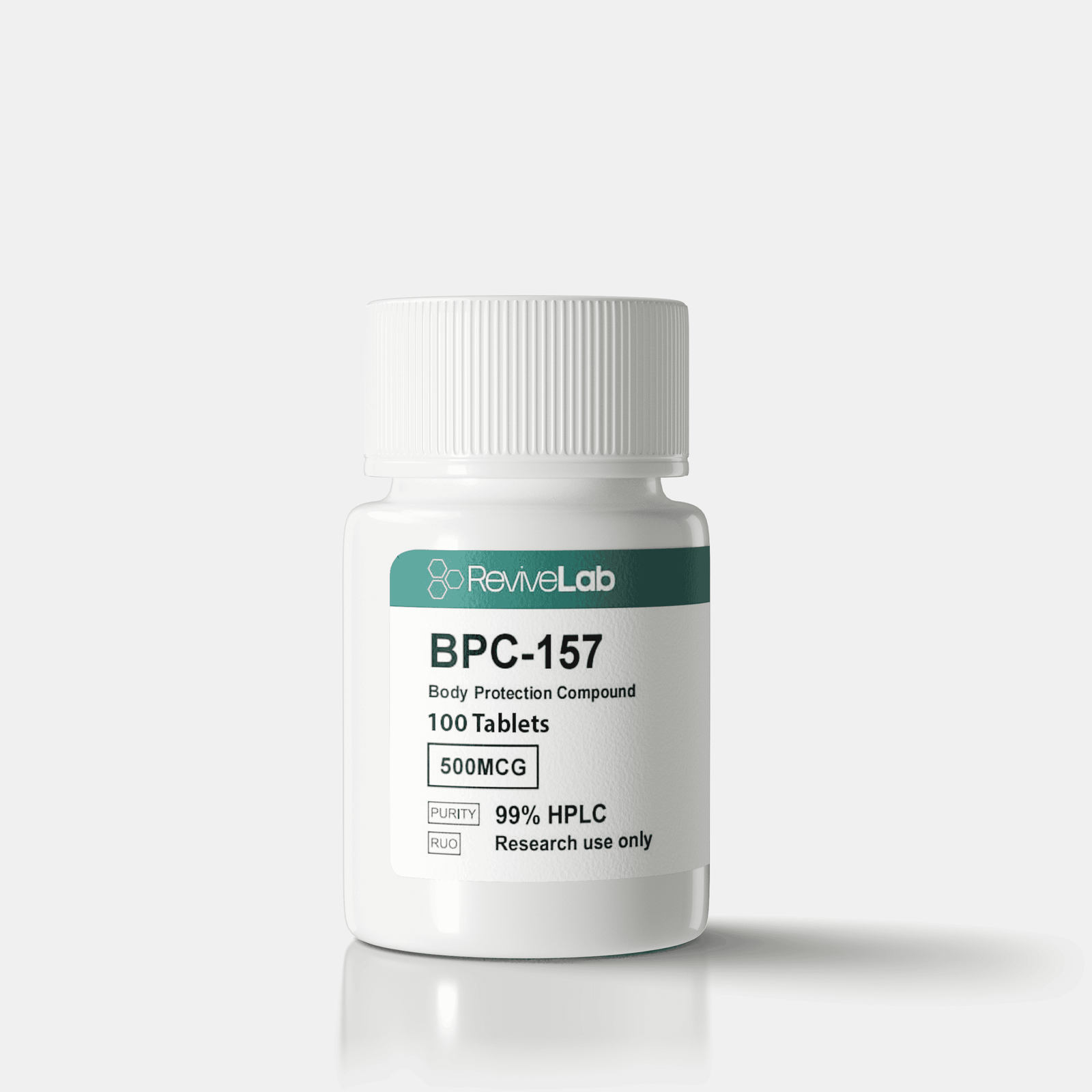
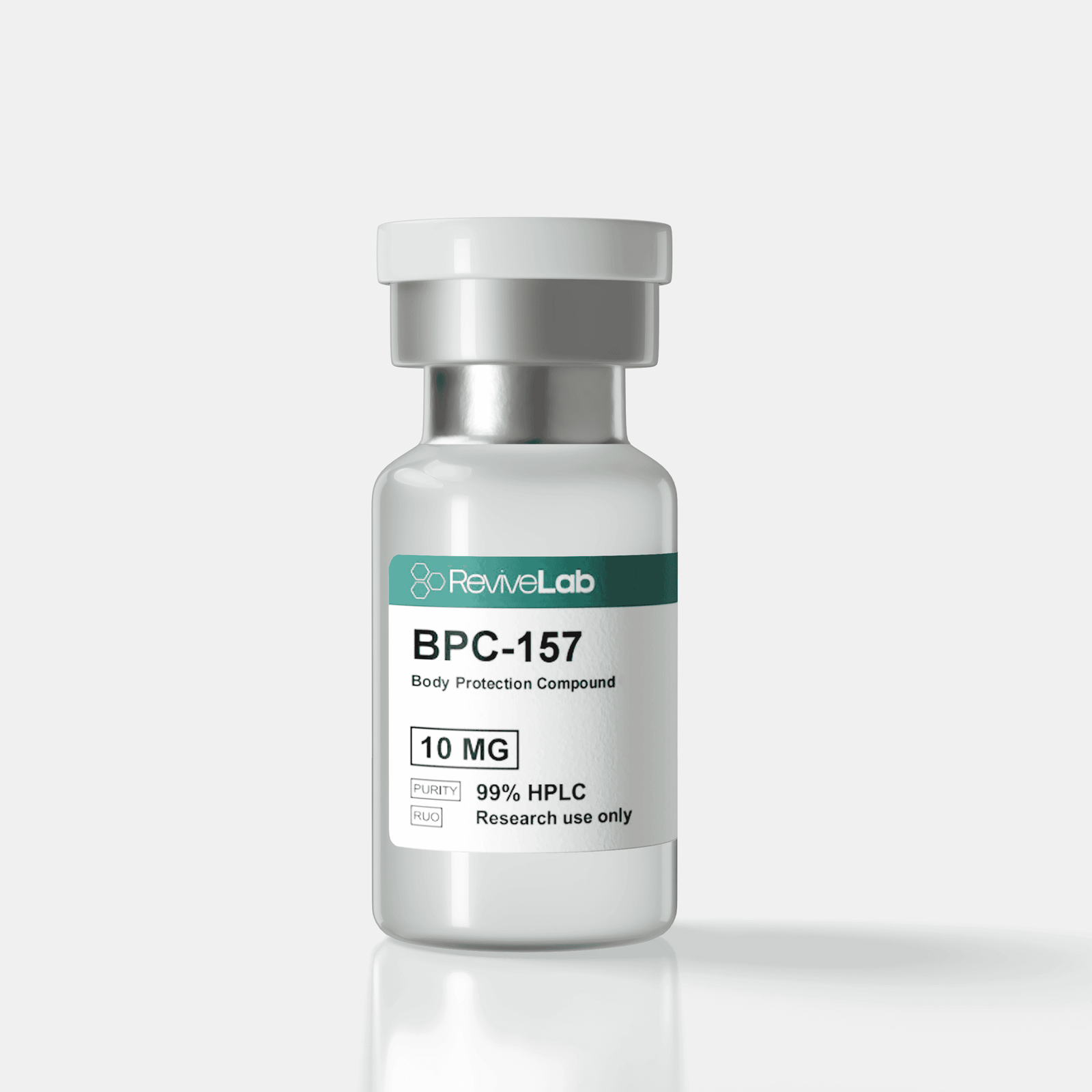
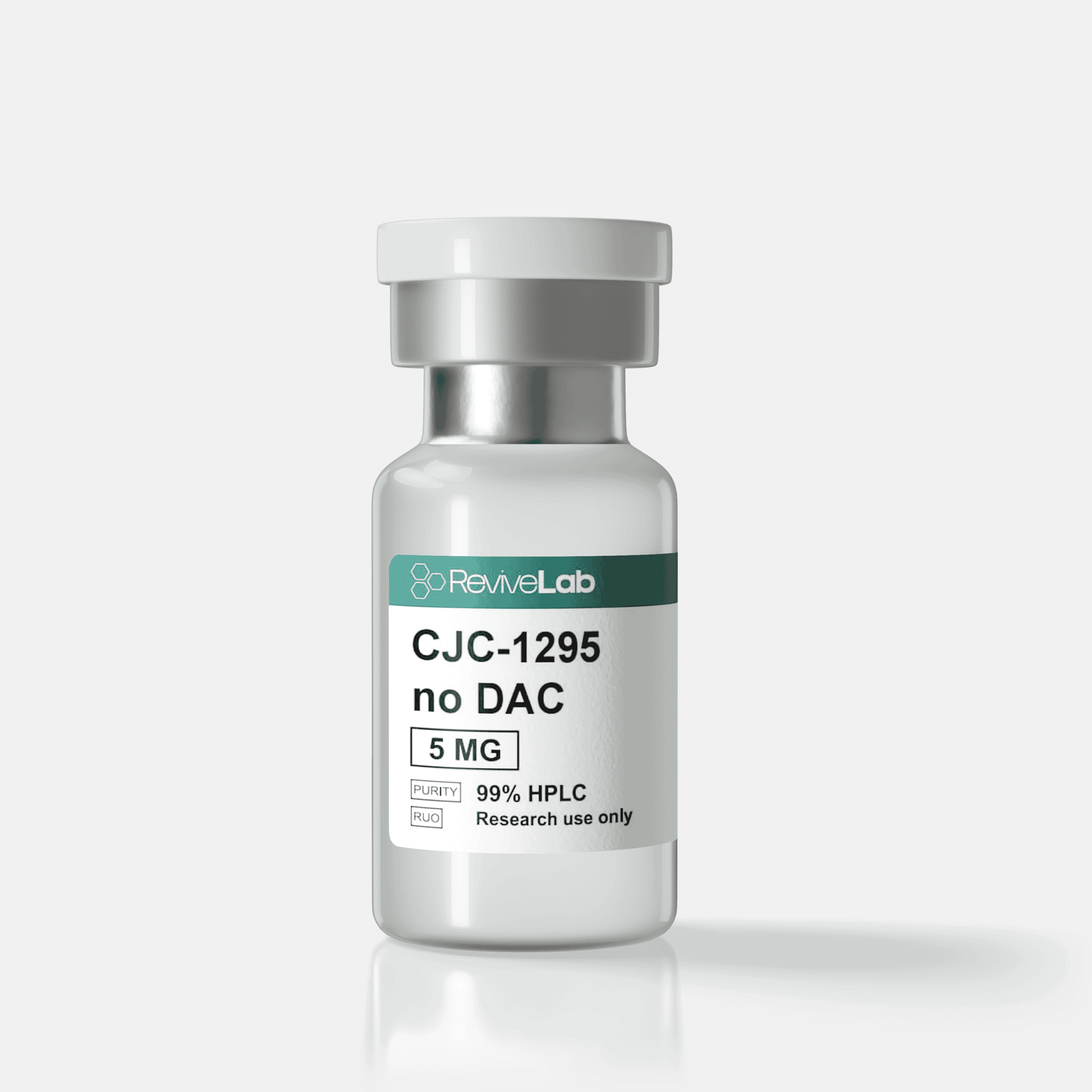
BPC-157 tablets (Body Protection Compound-157) is a 15-amino‐acid peptide originally isolated from human gastric juice. It has drawn attention for its remarkable stability and broad regenerative effects across multiple body systems (Ref. 1). Unlike most peptides, BPC-157 is stable in the acidic stomach environment, meaning it remains intact and active when taken orally (Ref. 1).
In animal studies and limited trials, this peptide exhibited potent healing, anti-ulcer, and anti-inflammatory properties with an excellent safety profile (no toxicity observed even at high doses) (Ref. 2). BPC-157’s multifaceted actions make it a promising research compound for tissue repair and protective effects throughout the body.
Mechanisms of Action
Stable Oral Peptide: BPC-157’s unique amino acid sequence (GEPPPGKPADDAGLV) makes it highly stable in water and gastric acid, allowing effective oral delivery without degradation (Ref. 3). This enables research use via tablets/oral solutions, unlike many peptides that require injection.
Nitric Oxide (NO) Pathway Modulation: BPC-157 tablets interacts with the NO system to support blood flow and healing. It counteracts the ulcer-causing effects of NO blockers (like L-NAME) and balances excessive NO from L-arginine (Ref. 4). By modulating eNOS (endothelial nitric oxide synthase), BPC-157 helps maintain healthy vasodilation and circulation, which is crucial for tissue repair (Ref. 4). Notably, it can promote blood vessel formation (angiogenesis) via up-regulating VEGF/VEGFR2 signaling (Ref. 3), enhancing nutrient delivery to damaged areas.
Antioxidant & Anti-Inflammatory Activity: BPC-157 tablets triggers activation of genes involved in tissue regeneration. For example, it induces Early Growth Response-1 (EGR-1), a gene that boosts production of growth factors and collagen, while also influencing its downstream pathways (e.g., ERK1/2, c-Fos, c-Jun) (Ref. 7). This leads to accelerated formation of new blood vessels, extracellular matrix, and granulation tissue at injury sites (Ref. 8). By jump-starting the body’s natural repair programs, BPC-157 helps wounds heal with improved integrity.
Rapid Gene Expression for Repair: BPC-157 tablets triggers activation of genes involved in tissue regeneration. For example, it induces Early Growth Response-1 (EGR-1), a gene that boosts production of growth factors and collagen, while also influencing its downstream pathways (e.g., ERK1/2, c-Fos, c-Jun) PMC PMC. This leads to accelerated formation of new blood vessels, extracellular matrix, and granulation tissue at injury sites PubMed PMC. By jump-starting the body’s natural repair programs, BPC-157 helps wounds heal with improved integrity.
Safe, Non-Toxic Profile: In studies, BPC-157 tablets demonstrated minimal side-effects and no organ toxicity, even at high doses. No lethal dose (LD₁) could be established, and animals showed no weight, behaviour, or appetite changes from BPC-157 administration (Ref. 9). Its only noted issue was occasional injection-site irritation when delivered in certain solutions (Ref. 10). This favourable safety profile, combined with lack of drug interactions, underpins the peptide’s potential for broad therapeutic use (Ref. 2).
Gastrointestinal Protection and Healing
Anti-Ulcer & Stomach Protection: BPC-157 tablets was first identified for its powerful anti-ulcer effects in the GI tract. It heals stomach ulcers and intestinal lesions remarkably well, even outperforming standard ulcer medications in research (Ref. 7). In rat studies, BPC-157 prevented and healed gastric ulcer formations caused by NSAIDs, stress, and alcohol (Ref. 3). Uniquely, it remains effective in both the upper and lower GI tract, indicating whole-gut protective activity (Ref. 2). This peptide actually promotes mucosal integrity – it was shown to restore the endothelial lining of blood vessels in the stomach/intestinal walls and reverse oxidative damage from toxins (Ref. 1, Ref. 7).
Inflammatory Bowel Disease (IBD) Support: BPC-157 tablets has shown promise in models of ulcerative colitis and Crohn’s disease. It reduced inflammation, bleeding, and tissue damage in these IBD models, aiding in the healing of chronic intestinal ulcers (Ref. 3). A Phase II clinical trial in ulcerative colitis (using BPC-157 under code PL14736) demonstrated significant efficacy with a high safety profile (Ref. 12). Treated patients showed improved colonic healing without adverse effects, highlighting BPC-157’s potential as a future IBD therapy. Notably, the peptide even helped close gastrointestinal fistulas (abnormal connections, such as bowel perforations) in severe colitis cases, an effect rarely seen with standard treatments (Ref. 16).
Protection from NSAIDs and Alcohol: One of BPC-157’s hallmark benefits is shielding the gut from irritants. Research confirms it prevents NSAID-induced gastric lesions and bleeding, effectively neutralising the ulcerative side-effects of drugs like aspirin and ibuprofen (Ref. 7). It likewise counters alcohol’s corrosive impact on the GI lining (Ref. 24). In studies, rats given toxic doses of NSAIDs plus BPC-157 tablets had minimal stomach damage compared to controls, as BPC-157 preserved the mucosal blood flow and lining integrity (Ref. 4, Ref. 3).
This cytoprotective ability extends to the liver as well – BPC-157 tablets reduced alcohol- and acetaminophen-induced liver damage, as evidenced by lower liver enzymes and healthier tissue on histology (Ref. 5, Ref. 10).
Enhanced Healing of GI Tissues: BPC-157 tablets not only prevents damage but actively accelerates repair of existing injuries in the digestive system. It speeds up the healing of stomach lining, intestines, and even repairs surgical anastomoses (reconnections of bowel) that would otherwise heal slowly (Ref. 18). In rodent studies, short bowel syndrome and intestinal anastomosis sites healed much faster with BPC-157 tablets, with regrowth of healthy tissue and restored function (Ref. 24).
The peptide’s pro-angiogenic effect helps establish new micro vessels in damaged gut segments, which improves nutrient delivery and waste removal for faster regeneration. This has been shown to significantly attenuate ischemic colitis – BPC-157 tablets treated rats had greatly reduced areas of necrosis after intestinal blood supply was cut off and restored (Ref. 11).
Wound Healing and Tissue Regeneration
Rapid Skin Repair: BPC-157 tablets has earned a reputation as a wound-healing accelerator. Research shows it dramatically speeds up repair of skin injuries, including cuts, burns, and diabetic ulcers. In a mouse study of severe burn wounds, topical or systemic BPC-157 tablets completely reversed impaired healing – within one week, treated mice showed full wound closure with strong, elastic skin compared to poor healing in controls (Ref. 1).
BPC-157-treated burns had less swelling, healthier new blood vessels, and minimal scar tissue formation (Ref. 6). Similarly, in diabetic rats with chronic non-healing wounds, BPC-157 tablets application led to faster closure and tissue regeneration despite the poor healing environment (Ref. 8). The peptide induces robust collagen production and angiogenesis at wound sites, resulting in stronger tissue remodelling. Even deep wounds and surgical incisions heal more completely with BPC-157, with research noting higher breaking strength of healed skin and improved tissue organisation versus untreated wounds (Ref. 10, Ref. 5).
Closing Fistulas and Complex Wounds: Impressively, BPC-157 tablets can heal wounds that normally refuse to close. Studies in rats found that BPC-157 treatment closed various fistulas – abnormal tunnels between organs or skin – that are typically very challenging to treat (Ref. 16, Ref. 31). For example, tracheocutaneous fistulas (an opening from the trachea to the skin) closed completely with oral BPC-157 therapy, whereas they remained open in control animals (Ref. 15).
BPC-157 likewise healed gastrocutaneous and colo cutaneous fistulas, repairing the tissue connection between internal organs and the skin (Ref. 27). These results highlight BPC-157’s unique ability to orchestrate complex wound healing, likely through its combined angiogenic, anti-inflammatory, and collagen-stimulating actions. Researchers have generalized these findings to other tissues as well – the same genes BPC-157 turns on in skin repair appear to promote healing in cornea, spinal cord, blood vessels, and more (Ref. 14).
Reduced Scar Formation: Another benefit observed is improved healing quality with minimal fibrosis. Wounds and muscle injuries treated with BPC-157 tablets show less scar tissue and more normal tissue architecture. In burn wounds, BPC-157 tablets not only closed the lesions faster but also preserved skin elasticity and reduced oedema and fibrin clots, resulting in more functional skin regrowth (Ref. 3, Ref. 8).
In tendon healing (see below), BPC-157 tablets led to well-organised collagen fibres and nearly intact tissue structure (Ref. 31). This antifibrotic effect is likely due to BPC-157’s ability to temper the inflammatory response and oxidative damage that often drive excessive scar formation (Ref. 10).
Musculoskeletal Repair (Muscles, Tendons, Ligaments, Bone)
Accelerated Tendon & Ligament Healing: BPC-157 tablets has shown exceptional benefits in healing connective tissues like tendons and ligaments, which normally mend slowly. In a rat study with completely transected Achilles tendons, systemic BPC-157 tablets markedly improved healing outcomes (Ref. 8). Treated tendons regained greater tensile strength and functionality – by two weeks, BPC-157 rats had higher load-to-failure (strength) and better walking ability than controls (Ref. 1).
Microscopic analysis confirmed increased fibroblast activity and collagen fibre regeneration, with BPC-157 tablets tendons showing well-aligned fibres and fewer inflammatory cells (Ref. 26). Similarly, for medial collateral knee ligaments (MCL) tears, BPC-157 given orally (in drinking water), topically, or by injection produced superior healing over 90 days (Ref. 18).
Enhanced Muscle Repair and Growth: Research indicates BPC-157 supports skeletal muscle healing and even nerve repair within muscle. In animal models of muscle crush injury and transection, BPC-157 treatment led to faster regeneration of muscle fibres and restored muscle function to near-normal levels (Ref. 35). One study noted that BPC-157 tablets accelerated post-injury muscle fibre regrowth and motor recovery, likely by promoting angiogenesis and innervation in the injured muscle tissue (Ref. 24).
There is also evidence that BPC-157 tablets helps repair damaged intramuscular nerves, contributing to functional muscle recovery (Ref. 22). Additionally, BPC-157’s anti-inflammatory effect reduces muscle tissue fibrosis (scarring) after injury (Ref. 14, Ref. 10).
Bone Healing Support: Although research is early, BPC-157 may also promote bone repair. Preliminary studies (e.g., Sebecic et al. 1999) reported enhanced healing of bone fractures in rats treated with BPC-157 (Ref. 4). The peptide appears to encourage the formation of new bone tissue and blood vessels in the fracture site, speeding the union of broken bone ends. While more focused studies are needed, current evidence positions BPC-157 as a broad-spectrum musculoskeletal healing agent, aiding not just soft tissue repair but potentially hard tissue (bone) regeneration too (Ref. 9).
Anti-Inflammatory and Organ-Protective Effects
Systemic Anti-Inflammatory Action: BPC-157 tablets has demonstrated significant anti-inflammatory effects, which contribute to its healing capabilities. In various injury models, BPC-157-treated subjects show reduced swelling, redness, and inflammatory cell infiltration at injury sites (Ref. 5). The peptide downregulates pro-inflammatory cytokines and up-regulates protective factors. For instance, it induces HO-1 and other antioxidant proteins that limit the inflammatory response and oxidative damage in tissues (Ref. 26).
In a rat study of chemical colitis, BPC-157 tablets greatly attenuated inflammation – tissue levels of malondialdehyde (an oxidative stress marker) plummeted and colon damage was minimal compared to controls (Ref. 3). Notably, BPC-157 even reduced brain inflammation and oedema in models of traumatic brain injury and toxic drug overdose (Ref. 24, Ref. 10).
Cardiovascular and Vascular Benefits: Another remarkable function of BPC-157 tablets is its ability to protect blood vessels and promote circulation. The peptide safeguards the endothelium (inner lining of vessels) under stress, preventing endothelial damage that could lead to clots or haemorrhage (Ref. 10). In animal experiments, BPC-157 tablets prevented thrombosis (blood-clot formation) in both arteries and veins (Ref. 26). It can even counteract the effects of blood thinners or injury that would normally cause uncontrolled bleeding – essentially normalising coagulation to promote healing (Ref. 1).
When vessels are blocked, BPC-157 tablets triggers collateral circulation to reroute blood flow around the blockage, preserving tissue viability (Ref. 11, Ref. 24). This was seen in ischemic injuries where BPC-157-treated animals rapidly grew new vessel connections to bypass occlusions (Ref. 24, Ref. 11). Additionally, BPC-157’s interaction with the NO system helps regulate blood pressure and flow. It causes mild vasodilation and natriuresis (via cGMP/PKG pathways) (Ref. 4), yet also prevents excessive nitric oxide that could be damaging (Ref. 10).
These balanced vascular effects protect the heart and other organs from ischemic damage. In fact, a study on liver ischemia (Pringle manoeuvre) showed BPC-157 could dramatically minimise liver cell death and restore function after blood supply was cut off and restored (Ref. 5).
Multi-Organ Protection from Toxins: BPC-157’s cytoprotective power spans multiple organ systems. It has been tested in severe toxin models and shown to rescue organs from damage. For example, in rats given a lethal overdose of the pain-killer paracetamol (acetaminophen), those treated with BPC-157 tablets had markedly lower liver enzymes and less liver necrosis than untreated rats (Ref. 5, Ref. 24).
BPC-157 preserved liver structure and also prevented secondary brain damage (oedema, seizures) that normally occurs in acute liver failure (Ref. 24, Ref. 10). Similar protection was seen with NSAID overdose: BPC-157 co-administered with high-dose diclofenac prevented the usual severe gastric bleeding, liver toxicity, and even prolonged unconsciousness that otherwise occurred (Ref. 4, Ref. 3). Studies suggest BPC-157 tablets can protect the kidneys (Ref. 18, Ref. 26) and the heart (reducing arrhythmias and tissue damage in toxic cardiomyopathy models) (Ref. 10).
Neuroprotective and Cognitive Effects
Brain Injury Recovery: Exciting research shows BPC-157 tablets can cross the blood-brain barrier (though in low amounts) and exert protective effects on the brain and nervous system (Ref. 26). In a stroke model where rats had their carotid arteries clamped, BPC-157 tablets greatly improved outcomes: it resolved neuronal damage in the brain and preserved cognitive and motor function (memory, balance, coordination) compared to untreated rats (Ref. 1, Ref. 24).
The peptide facilitated faster healing of brain tissue after ischemia, correlating with beneficial changes in gene expression in the hippocampus (Ref. 9). BPC-157 tablets also reduced brain oedema (swelling) and cell death in traumatic brain injury scenarios (Ref. 22, Ref. 24).
Spinal Cord and Nerve Regeneration: BPC-157 tablets has shown promise in repairing nerve damage. In a spinal-cord compression injury study, BPC-157 tablets treatment led to “advanced healing and functional recovery” – rats that were paralyzed (tail paralysis) recovered mobility with BPC-157 therapy (Ref. 22, Ref. 24). The peptide reduced inflammation and scar formation in the spinal cord, while supporting the survival of neurons and regrowth of nerve fibers (Ref. 24). Additionally, BPC-157 tablets facilitated peripheral nerve regeneration.
In a trial where rats had their sciatic nerve completely transected, those given BPC-157 experienced better nerve healing and quicker return of limb function (Ref. 35). Histological exams showed nerve fibers reconnecting and muscle re-innervation occurring faster in the BPC-157 group (Ref. 1).
Mood and Neurotransmitter Balance: Intriguingly, BPC-157 tablets has been reported to exert antidepressant and neuromodulatory effects in preclinical studies. Research in rodent models of depression showed BPC-157 tablets producing antidepressant-like outcomes (Ref. 10). It is thought to influence the brain-gut axis and neurotransmitter systems (serotonin and dopamine systems in particular). In fact, BPC-157 tablets was able to counteract serotonin imbalance and dopamine system disturbances in animal models mimicking schizophrenia and Parkinson’s disease (Ref. 10, Ref. 26).
It prevented catalepsy (rigid paralysis) induced by haloperidol and normalized behavior in amphetamine-sensitized rats (Ref. 26). Additionally, BPC-157 tablets has been tested in multiple-sclerosis (MS) models and even entered trials for MS, given its ability to reduce MS-like symptoms such as muscle weakness and depression in animals (Ref. 20, Ref. 10).