Back to all products

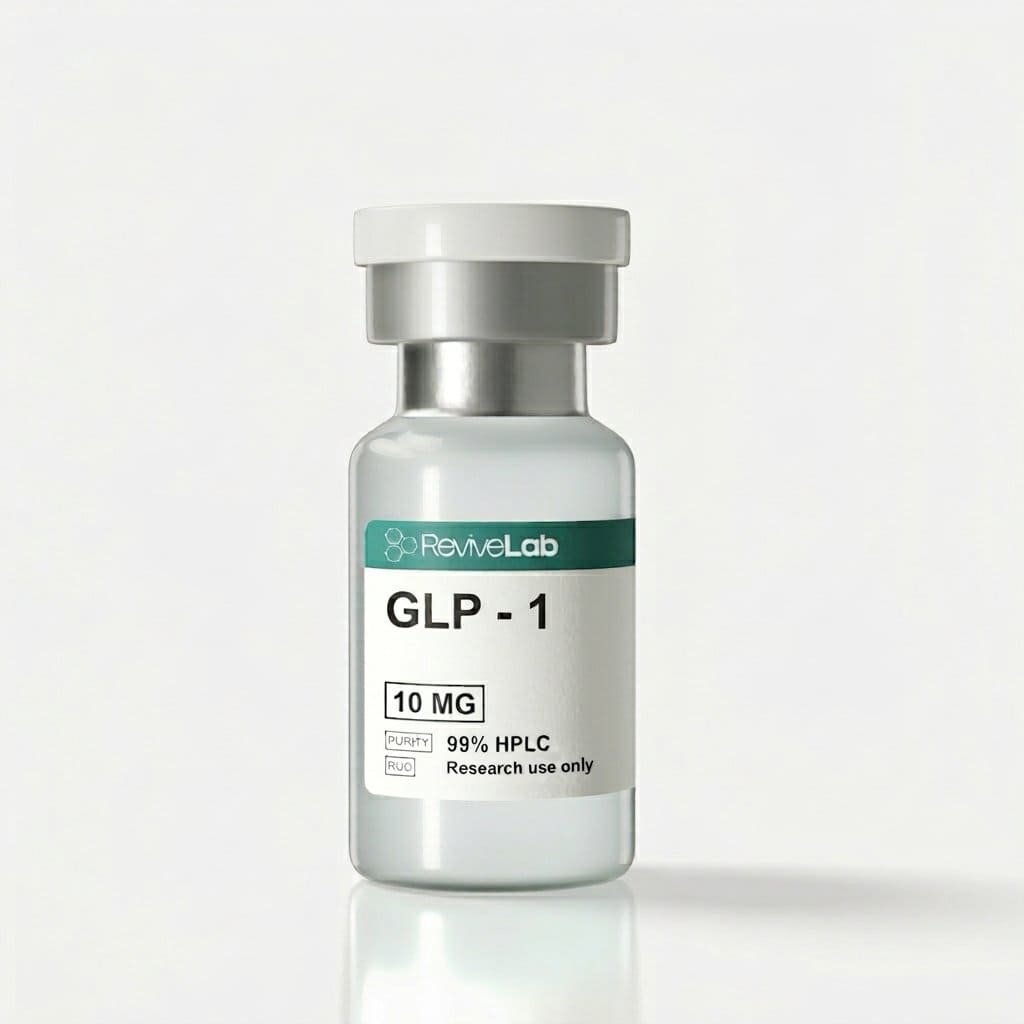
GLP-1

GLP-1 is a synthetic GLP-1 receptor agonist designed to mimic the activity of endogenous glucagon-like peptide-1, a hormone involved in metabolic signaling pathways related to glucose regulation, appetite, and energy balance. In research settings, GLP-1 is widely studied for its receptor activity and broader relevance in metabolic and endocrine research. Its prolonged half-life supports once-weekly administration, making it a commonly investigated compound in models related to obesity, type 2 diabetes, fatty liver research, and cardiometabolic signaling.

Looking to compare GLP research peptides? See our full GLP-1 vs GLP-2 vs GLP-3 comparison.

$79.99

In stock

-
+
GLP-1 Summary
GLP-1 Synergies & Additive Research Compounds

To maximize the utility of GLP 1 in experimental models, researchers often combine it with compounds that may complement its metabolic, hepatic, or appetite-regulating effects, or that may help address oxidative and inflammatory stress. These pairings are commonly studied in obesity, diabetes, fatty liver, cardiometabolic risk, and endocrine signaling.

GLP-1 Synergistic Compounds

Compound Mechanism of Synergy Relevant Research / Notes
AOD-9604 Fragment of human GH that may promote lipolysis without raising IGF-1 levels. Studied alongside GLP 1 receptor activity in research exploring fat metabolism and body-composition outcomes.
5-Amino-1MQ NNMT inhibitor that may increase NAD⁺ and influence AMPK/SIRT1 pathways. Studied in combination with GLP 1 related metabolic pathways in research involving glucose handling and insulin sensitivity.
MOTS-c Mitochondrial peptide that may promote AMPK activation and energy efficiency. Investigated alongside GLP 1 in studies of metabolic function, mitochondrial activity, and glucose uptake.
CJC-1295 (No DAC) GHRH analog that elevates GH and IGF-1; supports lean-mass maintenance during caloric deficit. Combined use may support lean-mass maintenance while GLP 1 is studied in fat-reduction and metabolic research models.
Ipamorelin Selective GH secretagogue enhancing pulsatile GH release. Studied alongside GLP 1 related metabolic pathways in research involving protein synthesis and tissue recovery.
BPC-157 Regenerative peptide that supports endothelial and gastrointestinal protection. May be explored in research involving GI tolerance and tissue integrity during GLP 1 related metabolic protocols.
TB-500 (Thymosin Beta-4) Enhances angiogenesis and reduces fibrosis; supports systemic healing. Studied as a regenerative complement to GLP 1 related metabolic activity, including vascular and hepatic research settings.
GHK-Cu Copper peptide that stimulates collagen synthesis and antioxidant defense. Studied alongside GLP 1 in tissue remodeling and oxidative-stress research models.
Glutathione (GSH) Primary antioxidant maintaining NAD⁺/NADH equilibrium; supports mitochondrial detoxification. Used alongside GLP 1 in research examining oxidative stress, liver support, and pancreatic protection.
Thymosin Alpha-1 Immune-modulating peptide that may support insulin sensitivity and reduce cytokine burden. Studied with GLP 1 in models involving inflammation, immune signaling, and metabolic regulation.


Potential Research Use Cases for GLP-1 Combinations

  • Metabolic Syndrome & Obesity Research:
    GLP-1 + AOD-9604 + 5-Amino-1MQ + MOTS-c

    → Research combination exploring fat oxidation, mitochondrial energy turnover, and glucose tolerance.
  • Muscle Preservation & Body-Composition Studies:
    GLP-1 + CJC-1295 (No DAC) + Ipamorelin
    → Research combination examining lean-mass maintenance and recovery during adipose-reduction studies.
  • Gastrointestinal & Organ Protection:
    GLP-1 + BPC-157 + TB-500
    → Research combination exploring gut barrier stability, angiogenesis, and tissue resilience under metabolic stress.
  • Antioxidant & Mitochondrial Support:
    GLP-1 + Glutathione + GHK-Cu
    → Research combination exploring gastric motility, gut-brain peptide interactions, and nutrient sensing during GLP-1 agonism.
  • Systemic & Inflammatory Regulation:
    GLP-1 + Thymosin Alpha-1 + MOTS-c
    → Research combination investigating immune, metabolic, and mitochondrial interactions in chronic disease and aging research.
GLP-1 Research

GLP-1 is a long-acting analog of glucagon-like peptide-1 studied for its multifaceted effects on metabolism. It was originally developed for type 2 diabetes and obesity, and research has identified numerous physiological functions and areas of ongoing investigation. Below is a detailed overview of research-backed effects, organized by key domains:

Fat Loss & Body Composition

Weight Reduction: Clinical trials in obese adults without diabetes have demonstrated reductions in body weight. Research has also shown changes in eating behavior and body composition during treatment. (Ref. 1)

Preferential Fat Mass Loss: Weight loss associated with GLP-1 appears to be driven largely by reductions in adipose tissue. Body-composition analyses suggest decreases in total fat mass and visceral fat, while lean body mass appears to be relatively preserved. (Ref. 2)

Mechanism – Caloric Intake Reduction: GLP-1’s impact on body weight is thought to be related in large part to reduced calorie intake. In controlled studies, participants reported less hunger and fewer food cravings, with accompanying changes in fat mass and body weight. (Ref. 3)

Sustained Effects & Maintenance: Longer-term data suggest that weight-related effects are maintained while treatment continues. After withdrawal, some reversal of prior weight-related changes has been observed, supporting the view that obesity often requires ongoing long-term management.

Body Composition Meta-Analysis: In a 2025 systematic review and meta-analysis covering several randomized controlled trials, GLP-1 was associated with weight loss that appeared to be driven primarily by fat mass rather than fat-free mass. These findings support continued interest in GLP-1 as a modifier of body composition, with preferential fat reduction and relative lean-mass preservation.

Glycemic Control & Insulin Sensitivity

Improved Blood Glucose and HbA1c: As a GLP-1 receptor agonist, it enhances glucose-dependent insulin secretion and lowers glucagon, contributing to improved glycemic control. In patients with type 2 diabetes, it has been associated with reductions in HbA₁c compared with a range of other agents. (Ref. 6)

Enhanced Insulin Secretion (Glucose-Dependent): GLP-1 supports pancreatic β-cell response when glucose is elevated, increasing insulin release in the fed state while suppressing inappropriate glucagon secretion. This coordinated action helps reduce hyperglycemia risk without driving insulin release when it is not needed. (Ref. 7)

Improved Insulin Sensitivity: Beyond stimulating insulin secretion, it has been associated with lower endogenous insulin requirements over time, likely in connection with weight loss and reduced insulin resistance. Studies in insulin-resistant populations have also reported improvements in fasting glucose and HOMA-IR. (Ref. 8)
In essence, it acts both on insulin secretion and insulin sensitivity, making it relevant beyond glycemic endpoints alone.

Cardiovascular Health

Cardiovascular Outcomes: GLP-1 has demonstrated cardiovascular relevance in high-risk populations. In long-term outcomes research, treatment has been associated with reductions in major adverse cardiovascular events in patients with type 2 diabetes and cardiovascular risk factors. (Ref. 9)

Blood Pressure and Lipids: Weight loss associated with GLP-1 is often accompanied by improvements in blood pressure, triglycerides, HDL cholesterol, and waist circumference, contributing to a more favorable cardiometabolic profile. (Ref. 10)

Anti-Atherosclerotic Effects: There is evidence that GLP-1 analogues may improve endothelial function and reduce atherosclerotic inflammation. GLP-1 use has also been associated with renal and inflammatory-marker effects in diabetes research. (Ref. 11)
These findings support continued investigation in cardiovascular and metabolic health.

Liver Function & NAFLD/NASH

Reduction of Liver Fat and NASH Improvement: In Phase II research involving patients with biopsy-proven non-alcoholic steatohepatitis (NASH), GLP-1 was associated with improvements in liver histology and metabolic liver endpoints. (Ref. 12)

Improved Liver Enzymes: Consistent with reduced liver fat, GLP-1 therapy has been associated with declines in ALT and other liver enzyme markers of hepatic inflammation. By improving insulin sensitivity and promoting weight loss, it continues to be studied for conditions involving metabolic-associated fatty liver disease. (Ref. 12)

Appetite Regulation & Gastric Motility

Appetite Suppression: GLP-1 influences appetite-regulating centers in the brain, including pathways associated with satiety and food preference. In controlled trials, subjects reported lower appetite scores, reduced cravings for high-calorie foods, greater satiety, and diminished preference for fatty foods. (Ref. 3)


Delayed Gastric Emptying: In clinical research, GLP-1 has been associated with delayed gastric emptying and prolonged gastric retention after meals. Together, these mechanisms may contribute to reduced caloric intake and changes in eating behavior. (Ref. 13)

Anti-Inflammatory Effects

Lowering of Systemic Inflammation: A 2024 meta-analysis of randomized controlled trials found that GLP-1 was associated with reductions in C-reactive protein (CRP) in both diabetic and non-diabetic populations. (Ref. 14)

Cytokine and Immune Modulation: GLP-1 receptor activation may influence pro-inflammatory cytokines, macrophage activity, and endothelial adhesion molecules, with potential relevance to vascular and immune health. (Ref. 15)
These effects may help explain some of the cardiovascular and metabolic observations beyond weight loss alone.

Metabolic Flexibility

Shift Toward Fat Oxidation: Preclinical models suggest that GLP-1 receptor signaling may promote browning of white adipose tissue, mitochondrial biogenesis, and thermogenic activity. (Ref. 16)

Enhanced Mitochondrial Activity: Animal work suggests increased expression of uncoupling protein-1 (UCP1) and other mitochondrial markers in adipose tissue treated with GLP-1 analogues, consistent with interest in metabolic flexibility and fat oxidation. (Ref. 17)
While human data are still emerging, these mechanistic findings support continued investigation into it’s role in metabolic resilience, not just caloric intake.

Neuroprotection (Investigational)

Alzheimer’s Disease Models: Rodent studies have found that GLP-1 treatment may influence amyloid-related pathways, neuroinflammation, and cognitive outcomes in Alzheimer’s disease models. (Ref. 18)

Human Risk Reduction Data: Early observational data have suggested an association between GLP-1 use and lower Alzheimer’s disease risk in large population studies. (Ref. 17)

Ongoing Clinical Trials: Phase III studies are currently investigating GLP-1 for cognitive decline in early Alzheimer’s disease. (Ref. 18)
These data remain preliminary and investigational, but they support continued interest in GLP-1 in neuro-metabolic research.

GLP-1 Research References
Ref. No. Study / Source Focus / Key Findings Link
1 Wilding JPH, et al. (2021). N Engl J Med. STEP-1: evaluated changes in body weight, appetite, and food cravings over 68 weeks with GLP 1 compared with placebo. NEJM
2 Wilding JPH, et al. (2021). J Endocr Soc. DEXA analysis examining changes in total fat mass, visceral fat, and lean-mass proportion during long-term GLP 1 treatment. PMC
3 Friedrichsen M, et al. (2021). Diabetes Obes Metab. Evaluated appetite, energy intake, food cravings, and gastric-emptying-related outcomes during GLP 1 treatment. PMC
4 Pratley RE, et al. (2018). Lancet Diabetes Endocrinol. SUSTAIN-7: compared HbA1c and body-weight outcomes between GLP 1 and dulaglutide in type 2 diabetes research. PubMed
5 Nauck MA, et al. (2021). Lancet Diabetes Endocrinol. Review describing how GLP 1 receptor agonists enhance glucose-dependent insulin secretion, suppress glucagon, and influence metabolic pathways. ScienceDirect
6 Jensterle M, et al. (2024). J Clin Endocrinol Metab (advance) In women with obesity and PCOS, GLP 1 was studied for effects on taste recognition and brain responses related to appetite regulation. OUP
7 Marso SP, et al. (2016). N Engl J Med. SUSTAIN-6: cardiovascular outcomes trial evaluating major adverse cardiovascular events and stroke-related endpoints with GLP 1. NEJM
8 Verma S, et al. (2023). eClinicalMedicine. Across STEP 1–3, GLP 1 was associated with changes in CRP and broader cardiometabolic risk markers compared with placebo. TheLancet
9 Heerspink HJL, et al. (2023). Diabetes Obes Metab. GLP 1 was studied for effects on UACR and kidney-risk-related markers in type 2 diabetes with overweight or obesity. PMC
10 Newsome PN, et al. (2021). N Engl J Med. NASH Phase 2 trial evaluating liver histology, steatohepatitis resolution, and fibrosis-related outcomes with GLP 1. NEJM
11 Hjerpsted JB, et al. (2018). Diabetes Obes Metab. GLP 1 improved postprandial glucose and lipid measures and was studied for effects on gastric emptying after meals. PubMed
12 Masson W, et al. (2024). Front Cardiovasc Med. Meta-analysis examining CRP changes across different populations and treatment regimens involving GLP 1. Frontiers
13 Yabut JM, et al. (2023). Endocr Rev. Mechanisms review discussing inflammatory signaling, lipoprotein effects, and cardiometabolic pathways associated with GLP 1 receptor agonists. OUP
14 Beiroa D, et al. (2014). Cell Metab. Preclinical study examining thermogenesis and white-adipose-tissue browning with GLP 1 receptor agonist activity. PubMed
15 Lee SJ, et al. (2018). Cell Metab. Mechanistic study examining CNS GLP 1 receptor signaling and its role in brown-adipose-tissue thermogenesis and energy expenditure. ScienceDirect
16 Hölscher C. (2022). Br J Pharmacol. Review examining neuroprotective effects of GLP 1 and GLP 1 receptor agonists in models of Alzheimer’s and Parkinson’s disease. BpsPubs
17 Wang W, et al. (2024). Alzheimer’s & Dementia. Observational target-trial emulation examining the association between GLP 1 use and first-time Alzheimer’s disease diagnosis in type 2 diabetes. PubMed
18 EVOKE / EVOKE+ Trials (Phase 3) Phase 3 trials evaluating oral GLP 1 in early Alzheimer’s disease, including trial registrations and design details. ClinicalTrials.gov