Back to all products

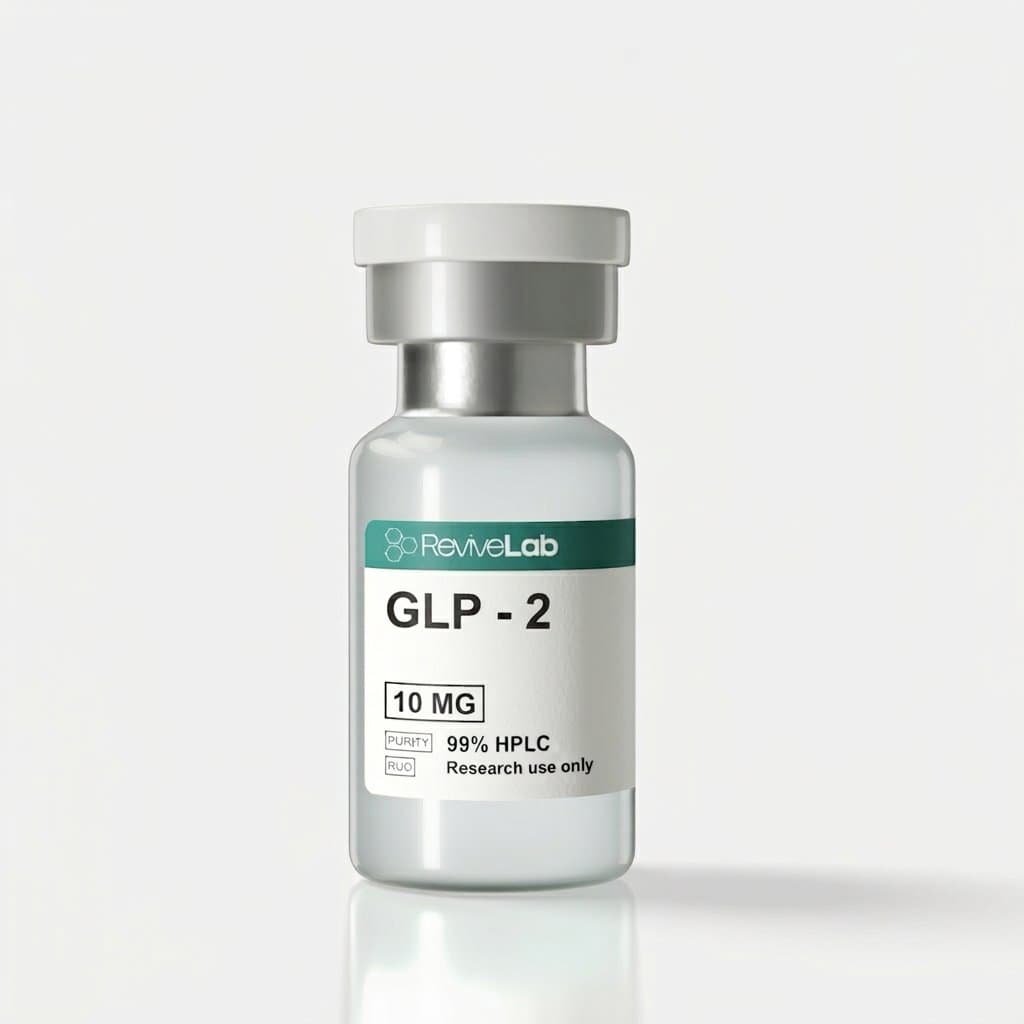
GLP-2

GLP-2 is an advanced GLP-1/GIP agonist research peptide studied for its powerful dual-incretin activity and its role in metabolic regulation, glucose control, and appetite signaling. As a multi-pathway compound, this research peptide is frequently used in experimental settings investigating energy balance, insulin sensitivity, and metabolic peptide mechanisms.

Produced to high purity standards, GLP-2 offers reliable performance for controlled laboratory studies. Researchers looking to buy GLP-2 Canada can depend on ReviveLab for consistent, lab-grade formulations designed strictly for scientific research.

Looking to compare GLP research peptides? See our full GLP-1 vs GLP-2 vs GLP-3 comparison.

$89.99

In stock

-
+
GLP-2 Summary

Body Weight & Fat Mass Research

  • Studied for its interaction with incretin receptor pathways involved in energy balance and metabolic signaling.
  • Explored in research settings for effects on satiety-related signaling and nutrient intake regulation.
  • Investigated for potential influence on adipose tissue distribution and metabolic activity.
  • Evaluated in experimental models for its role in body composition dynamics and fat metabolism.

Glycemic Regulation & Insulin Signaling Research

  • Examined for its interaction with glucose-dependent signaling pathways and hormone regulation mechanisms.
  • Studied in the context of insulin-related signaling and cellular glucose utilization.
  • Investigated for potential effects on insulin sensitivity markers in controlled research environments.
  • Explored for its role in pancreatic cell signaling and endocrine response modulation.

Appetite Regulation & Energy Intake Research

  • Studied for its influence on gastrointestinal signaling and satiety-related pathways.
  • Dual receptor activity is explored in relation to central and peripheral appetite signaling mechanisms.
  • Investigated in models examining feeding behavior and energy intake regulation.
  • Evaluated for its effects on signaling pathways associated with hunger and satiety cues.

Liver & Metabolic Tissue Research

  • Examined in studies involving hepatic metabolism and lipid processing pathways.
  • Investigated for its role in cellular signaling related to fat accumulation and metabolic stress.
  • Studied in experimental models of liver tissue function and metabolic regulation.
  • Explored for interactions with pathways involved in inflammation and cellular homeostasis.

Cardiometabolic & Lipid Research

  • Studied for its involvement in lipid metabolism and metabolic signaling pathways.
  • Investigated in relation to vascular signaling and endothelial function in research models.
  • Explored for potential interactions with inflammatory and metabolic biomarkers.
  • Examined for systemic effects within broader cardiometabolic signaling networks.

Energy Metabolism & Substrate Utilization

  • Studied for its role in cellular energy balance and metabolic pathway coordination.
  • Investigated for effects on substrate utilization and metabolic efficiency in experimental systems.
  • Explored in the context of mitochondrial activity and energy regulation.
  • Examined for interactions with pathways involved in nutrient partitioning and energy dynamics.

Inflammation & Adipokine Signaling Research

  • Studied for its interaction with signaling molecules associated with inflammation and metabolic stress.
  • Investigated in relation to adipose-derived signaling factors and endocrine communication.
  • Explored for its role in adipose tissue function and cellular signaling balance.
  • Examined in models assessing metabolic and inflammatory pathway interactions.

Metabolic Flexibility & Hormonal Crosstalk

  • Studied for its involvement in multi-pathway metabolic signaling and endocrine system coordination.
  • Investigated for its role in adaptive metabolic responses under varying conditions.
  • Explored in the context of nutrient signaling and hormonal feedback systems.
  • Examined for its influence on integrated signaling across metabolic regulatory pathways.

Safety & Research Use Notice

  • For research use only.
  • Not for human or veterinary use.
  • Not intended for diagnosis, treatment, or prevention of disease.
  • All information is provided for laboratory and educational purposes only.
GLP-2 Synergies & Additive Research Compounds

To maximize the research utility of GLP-2, scientists often explore its use alongside compounds that support mitochondrial energy, fat oxidation, glycemic control, or organ protection. These synergistic combinations are widely investigated in models of obesity, type 2 diabetes, NAFLD/NASH, metabolic syndrome, and cardiovascular risk reduction.

Below is a summary of GLP-2’s most promising additive research combinations:

GLP-2 Synergistic Compounds

Compound Mechanism of Synergy Relevant Research / Notes
AOD-9604 GH-fragment peptide that enhances lipolysis and inhibits adipogenesis. Works additively with GLP-2’s glucagon-receptor activity to accelerate fat oxidation and improve body-composition parameters.
5-Amino-1MQ NNMT inhibitor that elevates intracellular NAD⁺ and activates AMPK/SIRT1. Complements GLP-2’s glucose-lowering and mitochondrial-enhancing actions to further improve metabolic flexibility.
MOTS-c Mitochondrial peptide that promotes AMPK activation and glucose uptake. Enhances GLP-2’s insulin-sensitizing and endurance-boosting effects through mitochondrial biogenesis.
CJC-1295 (No DAC) GHRH analog that increases GH / IGF-1 axis signaling and lean-mass retention. Balances GLP-2’s catabolic fat-loss effects with anabolic recovery for optimized body composition.
Ipamorelin Selective GH secretagogue that amplifies pulsatile GH release. Reinforces anabolic tone and metabolic rate while complementing GLP-2’s incretin-driven lipolysis.
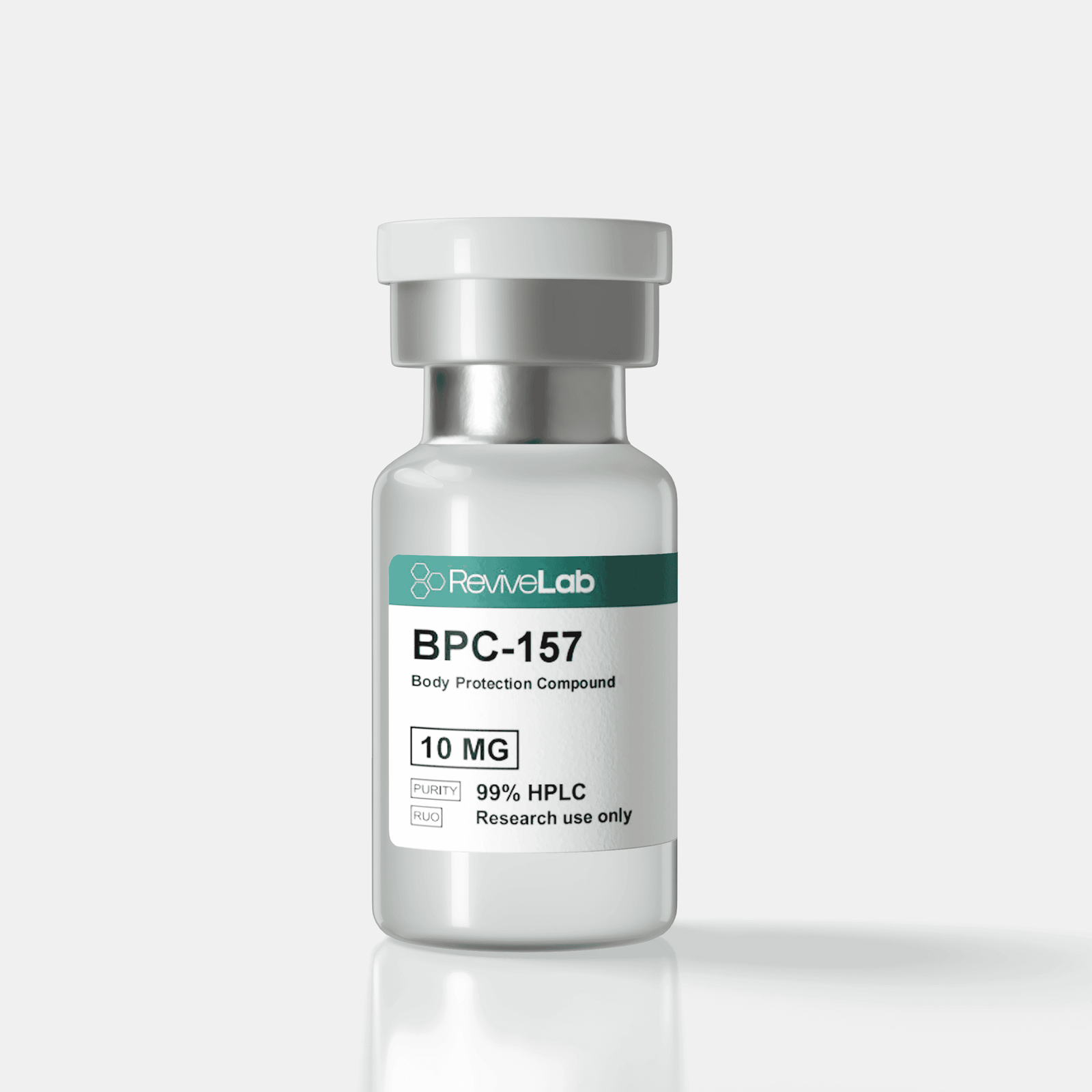
BPC-157 Regenerative peptide that promotes angiogenesis, gut repair, and organ protection. Protects gastrointestinal mucosa and hepatic tissue in incretin and metabolic research models.
TB-500 (Thymosin Beta-4) Cytoprotective peptide enhancing vascular repair and anti-fibrotic remodeling. Supports systemic regeneration and recovery during metabolic-stress experiments.
GHK-Cu Copper peptide stimulating antioxidant and collagen-synthesis pathways. Synergizes with GLP-2 in improving skin elasticity, vascular tone, and tissue remodeling post-fat reduction.
Glutathione (GSH) Master antioxidant that maintains NAD⁺ / NADH balance and cellular detoxification. Enhances GLP-2’s hepatic and mitochondrial protection under oxidative or metabolic load.
Thymosin Alpha-1 Immune-modulating peptide that decreases inflammatory cytokines and improves insulin sensitivity. Complements GLP-2’s systemic anti-inflammatory and metabolic effects in chronic disease models.


Potential Research Use Cases for GLP-2 Combinations

  • Metabolic & Obesity Models: GLP-2 + AOD-9604 + 5-Amino-1MQ + MOTS-c → Synergistic activation of AMPK, enhanced fat oxidation, and improved glucose tolerance.
  • Anabolic Preservation & Body Composition: GLP-2 + CJC-1295 (No DAC) + Ipamorelin → Supports GH-mediated muscle retention and recovery during adipose-reduction research.
  • Organ & Tissue Protection: GLP-2 + BPC-157 + TB-500 → Promotes vascular regeneration, hepatic protection, and anti-fibrotic recovery in metabolic stress models.
  • Oxidative & Mitochondrial Support: GLP-2 + Glutathione + GHK-Cu → Reinforces cellular antioxidant systems and collagen-matrix repair during prolonged metabolic interventions.
  • Inflammatory & Immune Regulation: GLP-2 + Thymosin Alpha-1 + MOTS-c → Combines immune stabilization, NAD⁺ preservation, and improved systemic metabolic control.
GLP - 2 Research

Dual Incretin Receptor Agonist – Research Compound
This compound is a synthetic incretin-mimetic peptide designed for laboratory investigation of dual receptor activation within metabolic signaling systems. It has been studied for its ability to interact with both glucose-dependent insulinotropic and glucagon-like peptide receptor pathways, offering a model for examining coordinated endocrine responses.

By engaging multiple signaling mechanisms within a single molecular framework, this compound is of interest in research exploring glucose-dependent hormonal activity, receptor cross-talk, and neuroendocrine regulation of energy balance. Its dual-pathway activity makes it a useful tool for studying complex metabolic signaling networks in controlled experimental environments.

This multi-receptor interaction profile has led to growing interest in its application across a range of metabolic and endocrine research domains, including studies of signaling efficiency, pathway integration, and adaptive cellular responses.

Mechanistic Overview: Dual Receptor Activity
The compound’s activity is characterized by its interaction with incretin-associated receptors involved in metabolic regulation. Engagement of these receptor systems has been examined in the context of downstream signaling cascades related to hormone release, cellular responsiveness, and nutrient-dependent signaling behavior.

In experimental models, receptor activation has been associated with modulation of signaling pathways involved in glucose-responsive processes and cellular communication. These pathways are commonly studied for their roles in endocrine feedback systems and metabolic regulation.

Additionally, dual receptor engagement has been explored in relation to gut–brain signaling mechanisms. Research in this area focuses on how peripheral receptor activation may influence central signaling pathways involved in energy balance, feeding behavior, and neuroendocrine integration.

Metabolic and Body Composition Research
Dual incretin receptor agonists have been investigated in scientific literature for their role in metabolic regulation and energy balance within experimental models. Research interest includes their effects on adipose tissue signaling, nutrient utilization, and overall metabolic efficiency.

Studies in controlled settings have explored changes in fat distribution, cellular energy handling, and adipocyte function. Particular attention has been given to how multi-pathway receptor activation may influence lipid metabolism, fat storage dynamics, and metabolic flexibility.

These observations support ongoing research into how coordinated receptor signaling may impact body composition at a cellular and systemic level, without isolating effects to a single metabolic pathway.

Glycemic Regulation and Insulin Signaling Research
This compound has been examined in the context of glucose-responsive signaling and insulin-related pathways. Research efforts often focus on its interaction with mechanisms governing glucose utilization, insulin sensitivity, and cellular energy balance.

Experimental findings have explored its role in modulating signaling pathways associated with insulin responsiveness and pancreatic cell activity. These investigations contribute to a broader understanding of how dual receptor activation may influence glucose-related signaling networks.

Additional areas of study include metabolic flexibility, nutrient partitioning, and the efficiency of signaling responses under varying experimental conditions.

Cardiometabolic and Inflammatory Research Context
Incretin-related pathways are frequently studied for their broader involvement in cardiometabolic signaling and systemic physiological processes. Research involving dual receptor agonists has examined their potential influence on lipid metabolism, vascular signaling, and inflammatory markers in controlled models.

Scientific interest includes the study of signaling molecules associated with inflammation, endothelial function, and metabolic stress. These pathways are relevant to understanding how metabolic signaling networks interact with broader physiological systems.

Such research contributes to a more comprehensive view of how multi-pathway receptor activation may influence systemic biological processes beyond isolated metabolic endpoints.

Liver and Metabolic Tissue Research
The compound has also been explored in experimental models related to hepatic signaling and metabolic tissue function. Research in this area focuses on pathways involved in lipid metabolism, cellular stress responses, and tissue-level signaling dynamics.

Investigations include the study of intracellular signaling related to fat accumulation, inflammatory responses, and metabolic regulation within liver tissue. These models are commonly used to better understand the relationship between endocrine signaling and hepatic function.

This area remains an active field of study, particularly in understanding how coordinated receptor activity may influence metabolic processes at the organ level.

Systemic Metabolic Modulation
Beyond individual pathways, this compound is of interest for its potential to influence integrated metabolic systems. Research has examined its role in signaling networks related to energy utilization, oxidative processes, and cellular adaptation.

Studies have explored interactions with signaling molecules involved in inflammation, hormonal regulation, and metabolic balance. These investigations aim to better understand how multi-receptor activation contributes to whole-system metabolic coordination.

Collectively, this compound is used as a research tool for studying complex metabolic interactions, endocrine signaling networks, and systemic physiological responses in controlled laboratory environments.


GLP-2 Research References
Ref. No. Study / Source Focus / Key Findings Link
1 Coskun, T., et al. (2018). LY3298176, a novel dual GIP and GLP-1 receptor agonist for the treatment of type 2 diabetes mellitus: From discovery to clinical proof of concept. Foundational preclinical + early clinical work on LY3298176 (GLP-2 precursor) showing dual GIP/GLP-1 receptor agonism, robust glucose-dependent insulin secretion, and meaningful weight/body-fat reduction. PubMed
2 Frías, J.P., et al. (2021). GLP-2 versus Semaglutide Once Weekly in Patients with Type 2 Diabetes (SURPASS-2). New England Journal of Medicine, 385(6): 503–515. Head-to-head phase 3 trial vs semaglutide: GLP-2 achieved larger HbA1c reductions (~2.0–2.3%) and greater weight loss in T2D. PubMed
3 Jastreboff, A.M., et al. (2022). GLP-2 Once Weekly for the Treatment of Obesity (SURMOUNT-1). New England Journal of Medicine, 387(3): 205–216. 72-week obesity trial (no diabetes) showing ~15–21% body-weight loss with GLP-2 and high rates of ≥5% and ≥20% weight reduction vs placebo. PubMed
4 Rosenstock, J., et al. (2023). Achieving Normoglycemia With GLP-2: Analysis of SURPASS 1–4 Trials. Diabetes Care, 46(11): 1986–1992. Post-hoc pooled analysis showing a large proportion of GLP-2-treated participants achieved HbA1c <5.7% (normoglycemia) without increased hypoglycemia. PubMed
5 Thomas, M.K., et al. (2021). Dual GIP and GLP-1 Receptor Agonist GLP-2 Improves Beta-cell Function and Insulin Sensitivity in Type 2 Diabetes. Journal of Clinical Endocrinology & Metabolism, 106(2): 388–396. Mechanistic study demonstrating significant improvements in HOMA-IR and HOMA-β with GLP-2, indicating better insulin sensitivity and β-cell function. PubMed
6 Heerspink, H.J.L., et al. (2022). Effects of GLP-2 versus Insulin Glargine on Kidney Outcomes in Type 2 Diabetes in the SURPASS-4 Trial: Post-hoc Analysis of an Open-label, Randomised, Phase 3 Trial. Lancet Diabetes & Endocrinology, 10(11): 774–785. High-CV-risk T2D: GLP-2 improved glycemic control, reduced body weight and systolic BP, and conferred kidney-protective effects vs insulin glargine. PubMed
7 Wilson, J.M., et al. (2021). The dual glucose-dependent insulinotropic polypeptide and glucagon-like peptide-1 receptor agonist, GLP-2, improves lipoprotein biomarkers associated with insulin resistance and cardiovascular risk in patients with type 2 diabetes. Diabetes, Obesity and Metabolism, 23(7): 1610–1620. Post-hoc analysis showing GLP-2 dose-dependently improved atherogenic lipoprotein profile and biomarkers of insulin resistance and endothelial stress. PubMed
8 Look, M., et al. (2025). Body composition changes during weight reduction with GLP-2 in the SURMOUNT-1 study of adults with obesity or overweight. Diabetes, Obesity and Metabolism, 27(5): 2720–2729. DEXA substudy from SURMOUNT-1: GLP-2 reduced body weight by ~21%, with ~33.9% reduction in fat mass and ~10.9% reduction in lean mass, indicating ~75% of weight lost was fat. PubMed
9 Sattar, N., et al. (2022). GLP-2 Cardiovascular Event Risk Assessment: A Pre-specified Meta-analysis. Nature Medicine, 28(3): 591–598. Pre-specified meta-analysis across SURPASS trials showing no increased risk of major adverse cardiovascular events (MACE) with GLP-2 vs controls. PubMed
10 Loomba, R., et al. (2024). GLP-2 for Metabolic Dysfunction–Associated Steatohepatitis With Liver Fibrosis (SYNERGY-NASH). New England Journal of Medicine, 391(4): 299–310. Phase 2 SYNERGY-NASH trial: GLP-2 achieved NASH/MASH resolution in ~44–62% of participants without fibrosis worsening vs ~10% with placebo. PubMed
11 Hartman, M.L., et al. (2025). Consistent Improvements in Liver Histology Across Subgroups in a Post Hoc Analysis of the SYNERGY-NASH Trial With GLP-2. JHEP Reports, 7(8): 101472. Post-hoc subgroup analysis showing consistent MASH resolution and fibrosis improvement across demographic and biomarker-defined subgroups. PubMed
12 Rosenstock, J., et al. (2021). Once-weekly GLP-2 as Monotherapy for Type 2 Diabetes (SURPASS-1). Lancet, 398(10295): 143–155. Monotherapy phase 3 trial showing durable HbA1c reductions and weight loss vs placebo in drug-naïve T2D, with low hypoglycemia risk. PubMed
13 Meng, Z., et al. (2023). A Systematic Review of the Safety of GLP-2 – A New Dual GLP-1 and GIP Agonist – Is Its Safety Profile Acceptable? Frontiers in Endocrinology, 14: 1121387. Systematic safety review summarizing gastrointestinal AEs, hypoglycemia risk (mainly with insulin/SU), and overall tolerability across GLP-2 trials. PubMed
14 Corrao, S., et al. (2024). GLP-2 Against Obesity and Insulin-Resistance: Pathophysiological Aspects and Clinical Evidence. Frontiers in Endocrinology, 15: 1402583. Mechanistic and clinical review detailing how GLP-2 affects obesity, insulin resistance, adipose-tissue biology, metabolic flexibility, and inflammation. PubMed

Related Products