Back to all products

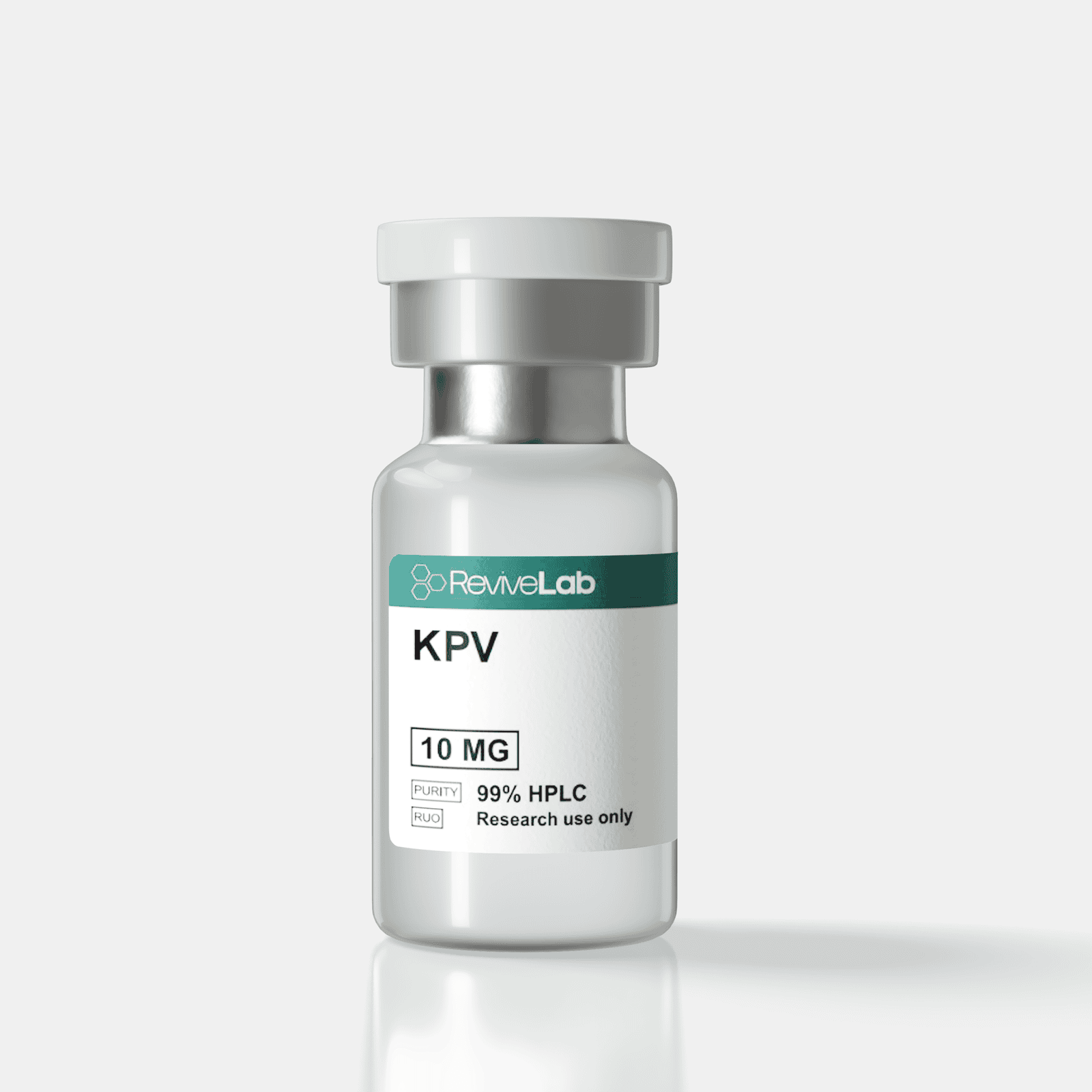
KPV

KPV (Lys-Pro-Val) is a naturally occurring tripeptide derived from the C-terminus of the alpha-melanocyte-stimulating hormone (α-MSH). It retains α-MSH’s potent anti-inflammatory and tissue-protective properties without influencing pigmentation pathways. Preclinical and translational studies show that KPV can suppress inflammatory cytokines (TNF-α, IL-1β, IL-6), block NF-κB activation, and promote epithelial repair in the gut, skin, and mucosal tissues. By modulating melanocortin receptors (MC1R, MC3R) on immune and epithelial cells, KPV exhibits strong cytoprotective, antioxidant, and antimicrobial effects, making it a promising compound in inflammation, wound healing, and barrier-integrity research.

$69.99

In stock

-
+
KPV Summary

Tissue Regeneration & Wound Healing

  • Promotes epithelial and dermal repair through modulation of cytokine balance and local immune activity.
  • Accelerates wound closure and enhances re-epithelialization even under inflammatory or infection-compromised conditions.
  • Upregulates IL-10 (anti-inflammatory cytokine) while reducing TNF-α and IL-1β, creating a regenerative microenvironment.
  • In preclinical models, KPV hydrogels restored normal skin architecture and prevented bacterial invasion in chronic and infected wounds.
  • Enhances collagen deposition and structural integrity in tissue-repair models.

Gut & Mucosal Protection

  • Demonstrates potent activity in ulcerative colitis, Crohn’s disease, and oral mucositis models.
  • Reduces colonic inflammation, protects the intestinal barrier, and promotes mucosal healing after chemical or surgical injury.
  • Normalizes intestinal permeability (“leaky gut”) by tightening epithelial junctions and preserving barrier proteins.
  • Oral and nanoparticle-delivered KPV shows enhanced uptake via PepT1 transporters, enabling efficient mucosal targeting.
  • Promotes gut microbiome balance by reducing local oxidative and cytokine stress.

Anti-Inflammatory & Immunomodulatory Effects

  • Potently inhibits NF-κB and downstream inflammatory cascades in immune and epithelial cells.
  • Reduces production of key cytokines (IL-6, IL-1β, TNF-α) while enhancing regulatory mediators like IL-10.
  • Shifts immune balance toward an anti-inflammatory, tissue-protective phenotype.
  • Demonstrates comparable or greater anti-inflammatory potency than full-length α-MSH in certain cell and animal models.
  • Mitigates inflammation without broad immunosuppression, preserving normal immune defense.

Antioxidant & Cytoprotective Effects

  • Blocks ROS-mediated damage and protects against oxidative cell death.
  • Prevents activation of caspase-1 and inflammasome-driven apoptosis in epithelial and keratinocyte studies.
  • Stabilizes cellular membranes and reduces oxidative DNA damage under chemical or environmental stress.
  • Works synergistically with glutathione and NAD⁺ in maintaining redox homeostasis during tissue repair.

Barrier Integrity & Epithelial Defense

  • Strengthens tight junction proteins (occludin, claudin, ZO-1) to prevent trans-epithelial leakage.
  • Restores gut, skin, and mucosal barrier continuity after injury or inflammation.
  • Prevents systemic endotoxin translocation and reduces secondary inflammatory cascades.
  • Demonstrates marked protection against epithelial permeability loss in intestinal and respiratory models.

Antimicrobial & Infection Control

  • Exhibits direct antimicrobial action against Staphylococcus aureus, MRSA, and Candida albicans at low concentrations.
  • Disrupts bacterial colony formation and inhibits fungal germ-tube growth.
  • Enhances neutrophil microbial killing while dampening excess inflammatory output—dual immune support.
  • Prevents infection-driven tissue damage in skin and mucosal research models.
  • Acts as a complementary anti-infective peptide in wound and gut inflammatory conditions.

Neurological & Systemic Protection

  • Through modulation of melanocortin receptor pathways, KPV may help protect neural tissue from inflammatory injury.
  • Reduces peripheral inflammatory signaling that contributes to pain, fatigue, and stress responses.
  • Supports systemic recovery by reducing cytokine load and oxidative stress.
  • Investigational for neuroimmune conditions linked to chronic inflammation (e.g., multiple sclerosis models).

Dermatological & Cosmetic Research

  • Demonstrates anti-inflammatory benefits in eczema, psoriasis, and dermatitis by suppressing local cytokine overactivity.
  • Reduces redness, swelling, and irritation in inflamed or damaged skin.
  • Shields keratinocytes from pollution-induced oxidative stress (PM10, UV, or toxins) and prevents apoptosis.
  • Enhances dermal resilience, collagen formation, and protects skin barrier integrity—a basis for its inclusion in advanced cosmetic formulations.

Systemic & Autoimmune Research

  • Shows potential benefit in chronic inflammatory and autoimmune models (e.g., rheumatoid arthritis, colitis, dermatitis).
  • Balances immune signaling without suppressing protective host defense.
  • Acts synergistically with immune-support peptides like Thymosin Alpha-1 and LL-37 in experimental immunomodulation studies.
  • Reduces systemic inflammation and oxidative load in models of chronic infection and metabolic stress.
KPV Synergies & Additive Research Compounds

To enhance the therapeutic and regenerative scope of KPV (Lys-Pro-Val) in experimental models, researchers often pair it with peptides or cofactors that reinforce epithelial integrity, modulate immune activity, and optimize oxidative balance. These combinations are evaluated in preclinical contexts involving gut-barrier stabilization, mucosal and dermal healing, inflammation resolution, and systemic immune recovery. Below is a summary of synergistic compounds frequently co-investigated with or mechanistically complementary to KPV:

KPV Synergistic Compounds

Compound Mechanism of Synergy Relevant Research / Notes
BPC-157 Potent angiogenic and cytoprotective peptide that enhances microvascular repair and fibroblast activity. When paired with KPV, supports coordinated epithelial–stromal healing and accelerates mucosal regeneration while reducing inflammation.
TB-500 (Thymosin Beta-4) Promotes actin polymerization, angiogenesis, and cellular migration. Combined with KPV, may improve structural tissue reorganization and resolution of inflammation in wound and tendon models.
GHK-Cu Stimulates collagen synthesis, DNA repair, and antioxidant enzyme expression. Pairs well with KPV to promote dermal regeneration and mitigate oxidative damage in skin and mucosal tissues.
Glutathione Master intracellular antioxidant that protects epithelial and immune cells from oxidative stress. Enhances KPV’s NF-κB-modulating action by reducing ROS burden during tissue injury and inflammation.
NAD⁺ Central metabolic coenzyme regulating mitochondrial redox and sirtuin activation. Complements KPV’s anti-inflammatory mechanisms by supporting mitochondrial resilience and cellular energy turnover during healing.
Thymosin Alpha-1 Immune-normalizing peptide that promotes T-cell differentiation and dampens cytokine storms. With KPV, exerts dual anti-inflammatory and immune-balancing effects useful in systemic inflammatory or autoimmune research.
LL-37 Host-defense peptide with antimicrobial and wound-repair properties. Combines with KPV to enhance antimicrobial defense while maintaining controlled inflammatory responses in skin and mucosal surfaces.
BPC-157 + KPV + GHK-Cu (Tri-Synergy) Targets angiogenesis, collagen formation, and cytokine suppression simultaneously. Shown in translational wound-healing research to produce faster epithelial closure and reduced scar formation than any peptide alone.
CJC-1295 + Ipamorelin GH-axis peptides stimulating systemic recovery and anabolic repair. When co-modeled with KPV in recovery protocols, may improve tissue remodeling by maintaining anti-inflammatory balance during growth-phase signaling.
MOTS-C Mitochondrial peptide improving metabolic adaptation and insulin sensitivity. Enhances KPV’s cellular-protective and anti-oxidative effects during prolonged inflammatory stress.


Potential Research Use Cases for KPV Combinations

  • Gut & Mucosal Barrier Repair:
    KPV + BPC-157 / Glutathione / NAD⁺
  • Dermal & Wound Regeneration:
    KPV + GHK-Cu / BPC-157 / LL-37
  • Systemic Inflammatory Modulation:
    KPV + Thymosin Alpha-1 / MOTS-C
  • Metabolic & Mitochondrial Resilience:
    KPV + NAD⁺ / Glutathione / MOTS-C
  • Anabolic Recovery Support:
    KPV + CJC-1295 (No DAC) / Ipamorelin
KPV Research

Melanocortin Pathway Activation

This tripeptide engages melanocortin receptors (notably MC1R and MC3R on immune cells), which leads to a downregulation of pro-inflammatory signaling. This results in reduced release of key cytokines like TNF-α, IL-1β, and IL-6 from immune cells (Ref. 3). By acting on these receptors, the peptide mimics α-MSH’s immune-calming effects without affecting skin pigmentation.

NF-κB Inhibition

One of the most studied actions of this α-MSH–derived fragment is its ability to block the NF-κB pathway, a master regulator of inflammation. By preventing NF-κB activation, the compound halts the cascade of inflammatory mediators that drive chronic inflammation (Ref. 4). This mechanism helps to calm overactive immune responses that contribute to pain, tissue damage, and inflammatory diseases.

Pro-Healing Immune Shift

Beyond suppressing pro-inflammatory signals, the peptide can also promote anti-inflammatory cytokine activity. In tissue injury models, treatment was associated with upregulation of IL-10 (a key anti-inflammatory cytokine) while simultaneously reducing IL-1β and TNF-α levels (Ref. 5). This shift toward an IL-10–rich environment helps resolve inflammation and promote healing of damaged tissues.

Barrier Protection

Research shows this melanocortin-derived tripeptide helps reinforce epithelial barrier integrity in the gut and other tissues. It tightens the junctions between cells, preventing “leaky” conditions where toxins and microbes escape into circulation (Ref. 6). By preserving the mucosal barrier, the compound protects against systemic inflammation originating from the gut and accelerates mucosal healing (Ref. 6). This barrier-stabilizing effect is crucial in conditions like inflammatory bowel disease where the intestinal lining is compromised.

Antioxidant & Cytoprotection

The peptide has demonstrated the ability to reduce oxidative stress and protect cells from inflammatory damage. For example, in skin cell studies it effectively blocked ROS-mediated caspase-1 activation (inflammasome pathway), resulting in lower IL-1β secretion (Ref. 9). By modulating redox-sensitive pathways (MAPK/NF-κB), this compound prevented keratinocyte apoptosis caused by pollutants, preserving cell viability under stress (Ref. 9). This antioxidant action helps break the cycle of inflammation and tissue injury (Refs. 8–9).

Naturally Targeted Action

As a naturally occurring peptide fragment, this molecule works within cells to inactivate inflammatory signals at their source (Ref. 10). It essentially carries the “business end” of α-MSH’s activity—delivering potent anti-inflammatory and immune-regulating effects without notable toxicity or side effects (Ref. 11). Because it is small and stable, the tripeptide can be delivered in various forms (oral, injectable, topical) and target inflammation locally or systemically as needed (Ref. 12).

Gut Health & Inflammation

This α-MSH–derived fragment has shown significant therapeutic potential in models of ulcerative colitis and Crohn’s disease. In mice with chemically induced colitis, treatment markedly reduced colon inflammation and protected the gut lining (Refs. 2, 6). Studies report that oral administration is facilitated via peptide transporter PepT1 uptake, attenuating inflammatory responses in colonic cells and reducing colitis incidence in vivo (Ref. 6).

Targeted delivery systems have further accelerated mucosal healing and downregulated excess TNF-α in the colon, leading to improved outcomes in ulcerative colitis models (Ref. 12). These findings suggest this compound may represent a novel approach for IBD by both calming gut inflammation and repairing the intestinal barrier.

Broader Gastrointestinal Applications

Beyond severe IBD, the peptide’s anti-inflammatory and barrier-protective effects may benefit general gut health and inflammatory disorders such as irritable bowel syndrome (IBS). By strengthening intestinal tight junctions and reducing cytokine-driven irritation, this tripeptide helps restore a healthy mucosal environment (Ref. 6). Researchers note that oral delivery can improve intestinal barrier function and lower systemic inflammation stemming from the gut (Ref. 6).

This opens avenues for exploration in conditions associated with “leaky gut” and low-grade inflammation. Healing benefits also extend to other mucosal tissues. In a chemotherapy-induced oral mucositis model, an in-situ hydrogel formulation significantly accelerated the repair of ulcerated oral tissue (Ref. 13). Treated lesions showed restored healthy tissue architecture, partly due to upregulation of IL-10 and suppression of local IL-1β and TNF-α (Ref. 5). These findings demonstrate the compound’s ability to enhance mucosal healing and reduce inflammatory damage in both oral and gastrointestinal linings.

Skin Health & Wound Repair

This peptide has emerged as a promising agent for skin repair. It accelerates wound healing by curbing excessive inflammation and supporting tissue regeneration. Hydrogel formulations applied to wounds have been shown to reduce inflammation, promote new tissue growth, and combat infection at the injury site (Refs. 13–14). In difficult-to-heal wound models, treated sites exhibited complete tissue regeneration, while untreated controls remained ulcerated (Ref. 14).

Notably, wounds treated with this α-MSH fragment also resisted bacterial invasion. In MRSA-infected wound models, treatment limited infection and prevented deep tissue inflammation (Ref. 7). Because of its ability to dampen local inflammatory signaling, the compound is being investigated for inflammatory skin conditions such as eczema, psoriasis, and atopic dermatitis—conditions driven by immune overactivation in the skin.

Early research and clinical observations suggest topical formulations may reduce redness, swelling, and irritation in chronic dermatitis (Ref. 14). By suppressing skin cytokines (such as IL-1 and IL-6) and supporting immune balance, this tripeptide may help alleviate flare-ups of eczema and psoriasis (Ref. 9). Some integrative medicine practices have already begun exploring related formulations for acne and eczema, noting reduced inflammation and faster lesion healing.

Laboratory studies further demonstrate protective effects against environmental stressors. In keratinocytes exposed to fine particulate pollution (PM10 dust), treatment mitigated oxidative stress by inhibiting ROS generation and downstream MAPK/NF-κB signaling (Ref. 9). Consequently, treated cells exhibited significantly lower IL-1β release under pollutant exposure (Ref. 8). Caspase-1 activation and apoptosis were also reduced, preserving cellular integrity (Ref. 9). These findings suggest utility in protecting skin from environmental oxidative injury.

Antimicrobial Effects

Uniquely among anti-inflammatory agents, this α-MSH–derived peptide exhibits direct antimicrobial activity. Studies demonstrate that α-MSH and its tripeptide fragment can inhibit or kill pathogens such as Staphylococcus aureus and Candida albicans at extremely low (picomolar) concentrations (Ref. 7). The compound prevents bacterial colony formation and blocks fungal germ-tube development, likely through intracellular cAMP elevation and microbial signaling disruption (Ref. 7).

Importantly, this antimicrobial activity does not suppress host immune defenses. Instead, α-MSH–derived peptides enhance neutrophil antimicrobial function, allowing effective pathogen clearance while inflammation is reduced (Ref. 7). This makes the compound particularly valuable in research exploring conditions where infection and inflammation coexist, such as chronic wounds, IBD with dysbiosis, and acne models.

Systemic & Autoimmune Research

Given its strong anti-inflammatory profile, this tripeptide is being explored in systemic and autoimmune research contexts. Suppression of TNF-α, IL-1β, and IL-6 suggests potential relevance in models of rheumatoid arthritis and related inflammatory joint disorders (Refs. 3–5). In these settings, the compound reduces immune overactivation without the broad immunosuppressive effects associated with corticosteroids.

Modulatory effects also extend to allergic and neuroinflammatory research. By blocking NF-κB–driven cytokine production and preserving cellular homeostasis, this α-MSH fragment may play a role in studies of asthma, atopic dermatitis, and hypersensitivity syndromes (Ref. 10). Favorable bioavailability and safety characteristics further support continued investigation across chronic inflammatory conditions (Refs. 11–12).

Safety Profile

A major advantage of this naturally occurring peptide fragment is its excellent safety and tolerability. Across cell and animal studies, no significant adverse effects have been reported (Refs. 11–12). Unlike broad immunosuppressive agents, it lacks systemic toxicity while maintaining targeted anti-inflammatory precision. Its small molecular size, metabolic stability, and compatibility with multiple delivery routes make it an ideal compound for continued experimental and translational research (Ref. 12).

KPV Research References
Ref. No. Study / Source Focus / Key Findings Link
1 Singh M. Alpha-Melanocyte-Stimulating Hormone: An Emerging Anti-Inflammatory Mediator in Human Disease. Mediators Inflamm. 2014. Broad review of α-MSH fragments (incl. KPV) and anti-inflammatory mechanisms. PMC
2 Kannengiesser K, Maaser C, Heidemann J, et al. Melanocortin-Derived Tripeptide KPV Has Anti-Inflammatory Potential in Murine Models of IBD. Inflamm Bowel Dis. 2008;14(3):324-331. KPV efficacy in DSS/transfer colitis models. PubMed
3 Gravina AG, Pellegrino G, et al. The Melanocortin System in Inflammatory Bowel Diseases: Insights into Its Mechanisms and Therapeutic Potentials. Cells. 2023;12(14):1889. Receptor-mediated (MC1R/MC3R) anti-inflammatory pathways relevant to KPV. MdPI
4 Land SC. Inhibition of Cellular and Systemic Inflammation Cues in Human Bronchial Epithelial Cells by Melanocortin-Related Peptides: Mechanism of KPV Action and a Role for MC3R Agonists. Int J Physiol Pathophysiol Pharmacol. 2012;4(2):59-73. Shows KPV blocks NF-κB (p65RelA nuclear import); MC3R involvement. PMC
5 Getting SJ, Schiöth HB, Perretti M. Dissection of the Anti-Inflammatory Effect of the Core and C-Terminal (KPV) α-MSH Peptides. J Pharmacol Exp Ther. 2003;306(2):631-637. KPV’s anti-inflammatory actions; IL-1β models; receptor independence nuances. PubMed
6 Dalmasso G, Charrier-Hisamuddin L, Nguyen HTT, et al. PepT1-Mediated Tripeptide KPV Uptake Reduces Intestinal Inflammation. Gastroenterology. 2007;133:574-585. Oral/epithelial transport (PepT1), barrier protection, NF-κB/MAPK suppression. PMC
7 Cutuli M, Cristiani S, Lipton JM, Catania A. Antimicrobial Effects of α-MSH Peptides. J Leukoc Biol. 2000;67(2):233-239. Direct anti-Staph./Candida activity; enhances neutrophil killing. PubMed
8 Dinparastisaleh R, Mirsaeidi M. Antifibrotic and Anti-Inflammatory Actions of α-Melanocytic Hormone: New Roles for an Old Player. Pharmaceutics. 2021;14(1):45. Review: oxidative-stress inhibition and pro-resolving actions of α-MSH family (incl. KPV). PubMed
9 Elliott RJ, Szabo M, Wagner MJ, et al. α-MSH, MSH(11–13) KPV and ACTH Signalling in Human Keratinocyte Cells. J Invest Dermatol. 2004;122(4):1010-1019. Keratinocyte signalling; cAMP-independent effects relevant to KPV cytoprotection. PubMed
10 Wang W, Guo DY, Lin Y-J, Tao Y-X. Melanocortin Regulation of Inflammation. Front Endocrinol (Lausanne). 2019;10:683. Modern review of melanocortin anti-inflammatory signaling. PMC
11 Songok AC, Njogu PM, Mwangi AN, et al. Structural Modification of the Tripeptide KPV by Reductive Alkylation of the Lysine Residue. PLoS One. 2018;13(6):e0199686. Chemistry/stability optimization of KPV; low cytotoxicity. Journal
12 Xiao B, Xu Z, Viennois E, et al. Orally Targeted Delivery of Tripeptide KPV via Hyaluronic-Acid-Functionalized Nanoparticles Efficiently Alleviates Ulcerative Colitis. Mol Ther. 2017;25(6):1628-1640. HA-KPV nanoparticles: targeted delivery; mucosal healing; TNF-α reduction. PMC
13 Shao W, Chen R, Lin G, et al. In-Situ Mucoadhesive Hydrogel Capturing Tripeptide KPV: Anti-Inflammatory, Antibacterial and Repairing Effect on Chemotherapy-Induced Oral Mucositis. Biomater Sci. 2022;10:227-242. KPV hydrogel accelerates mucosal repair; ↓TNF-α/IL-1β, ↑IL-10. Pubs
14 Luger TA, Brzoska T, Scholzen TE, et al. α-MSH-Related Peptides: A New Class of Anti-Inflammatory and Immunomodulating Hormones? Exp Dermatol. 2007;16(8):648-654. Foundational review: α-MSH/KPV inhibit NF-κB; dermatologic inflammation. PMC

Stack With