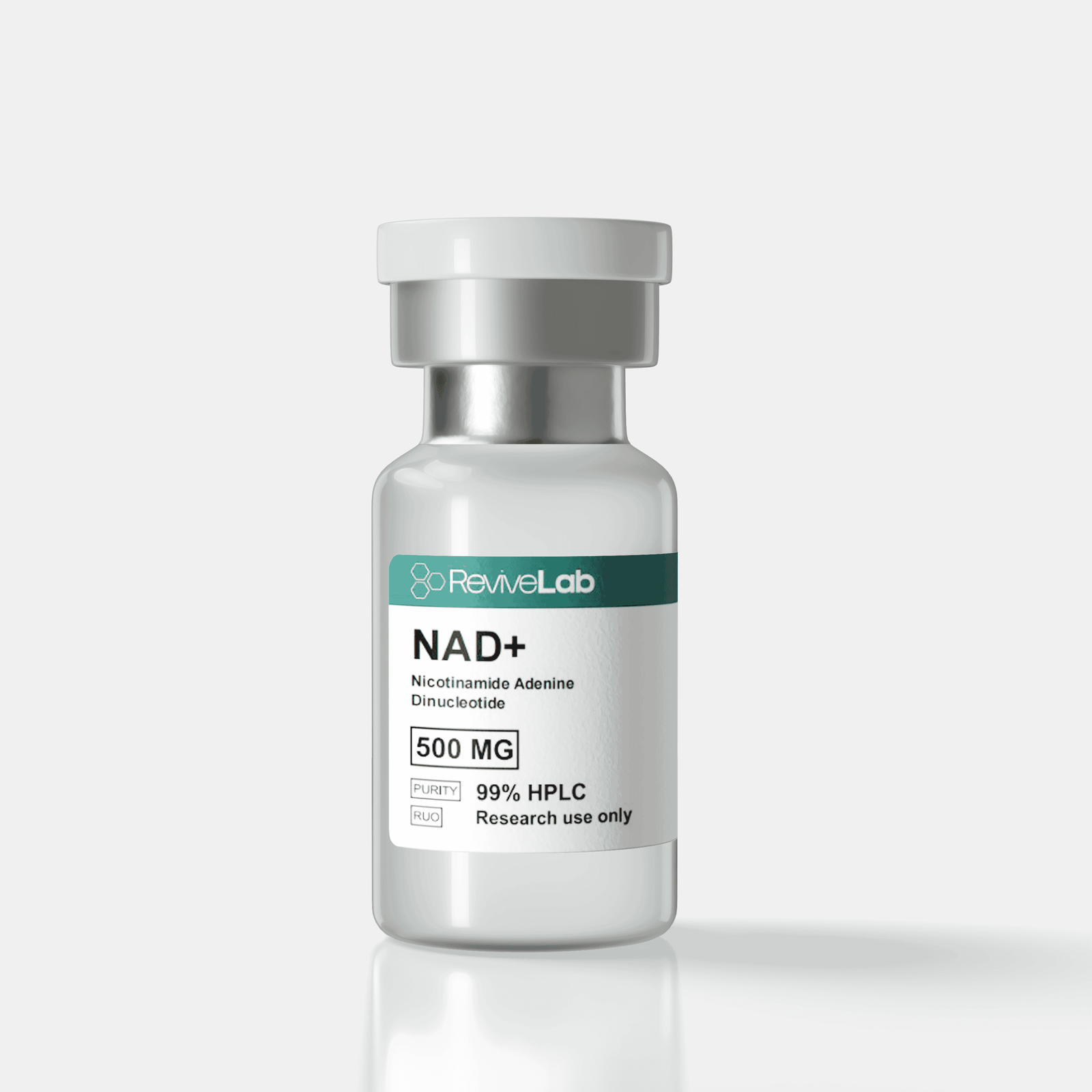
Nicotinamide Adenine Dinucleotide (NAD⁺) is a crucial coenzyme present in all living cells and is widely recognized for its central involvement in cellular energy and longevity research. This molecule functions as a cornerstone in metabolic pathways and is extensively investigated for its influence on aging biology and essential biological processes. Acting as a molecular “powerhouse,” it participates in hundreds of enzymatic reactions that sustain cellular vitality and stability (Ref 9).
Cellular Energy & Metabolism
This coenzyme is indispensable for energy generation. It operates as a primary electron carrier during nutrient breakdown, transferring electrons to the mitochondria to support ATP synthesis. As the major hydride acceptor in glycolysis and the TCA cycle, it enables the efficient conversion of carbohydrates, fats, and amino acids into usable fuel.
Its central role in metabolism underscores its essential importance for cellular function, as ATP is the basic energy currency of life. High availability has been linked to improved metabolic efficiency and resistance to metabolic stress in research settings (Ref 1).
DNA Repair & Genomic Stability
This coenzyme is also vital for DNA maintenance. PARPs—key DNA-repair enzymes—consume it to signal strand breaks and recruit repair factors. Sufficient levels help fuel DNA restoration, while reduced amounts lead to less effective repair, resulting in accumulated DNA damage and genomic instability over time (Covarrubias et al., 2021).
By supporting PARP activity and related repair pathways, this molecule acts as a guardian of genome stability. DNA integrity is especially important because genomic damage is a major driver of aging and cancer development. In summary, adequate availability allows continuous surveillance and restoration of DNA lesions (Ref 9).
Mitochondrial Function & Autophagy
This coenzyme plays a significant role in mitochondrial health and quality-control pathways such as autophagy. Autophagy removes damaged cellular components, including mitochondria through mitophagy. Levels of this molecule regulate autophagy via sirtuin enzymes like SIRT1. Higher availability activates SIRT1, promoting the clearance of defective mitochondria.
Declines in this molecule impair autophagic flux and mitophagy, causing cells to accumulate dysfunctional proteins and organelles. This contributes to cellular decline and has been implicated in age-related physiological changes. Research shows that maintaining adequate levels supports autophagy and mitochondrial efficiency. In model organisms, elevating availability has restored mitophagy under metabolic or oxidative stress, improving cell survival and function (Ref 3).
Aging & Longevity
Levels of this coenzyme naturally fall with age across many tissues. This reduction contributes to age-associated physiological decline by impairing processes such as energy metabolism and DNA repair. Insufficiency has been associated with numerous hallmarks of aging, including genomic instability, mitochondrial dysfunction, stem cell exhaustion, and chronic inflammation.
Animal studies show that restoring availability produces benefits such as improved metabolic performance, enhanced cognitive and muscle function, reduced inflammation, and increased lifespan. For example, rodents given precursors demonstrate improved insulin sensitivity, higher endurance, and fewer signs of age-related degeneration (Ref 2; Ref 11).
Certain age-related conditions—from neurodegeneration to metabolic disorders—were slowed or partially reversed in research models when cellular levels were replenished. While promising, these findings remain under scientific investigation. Our product is intended exclusively for research purposes (not for human use) (Ref 9).
Cognitive Function & Neuroprotection
This coenzyme plays a crucial role in the nervous system, where high energy demand and long-lived neurons require efficient metabolic support. In the brain, it fuels neuronal metabolism and activates protective enzymes such as SIRT1 and SIRT3. Rodent studies demonstrate that raising availability can improve cognitive performance and protect against neurodegenerative changes.
In Alzheimer’s research models, precursor administration improved memory, increased neuron survival, and reduced accumulation of toxic proteins. Restoring levels also enhanced synaptic plasticity and supported neuronal health in aging animals. Conversely, depletion increases vulnerability to stress, and excessive activation of enzymes like PARP1 or CD38 can drain cellular reserves, leading to impaired memory and neuronal damage (Ref 12; Ref 13).
Immune Modulation & Inflammation
This coenzyme also influences immune function through its role in immunometabolism. Immune cells depend on it for energy during activation and use related pathways for signaling. CD38—highly expressed in immune cells—breaks it down to produce secondary messengers that regulate calcium signaling and immune responses (Ref 5). Adequate levels support immune balance and help prevent excessive activation.
Declines contribute to “inflammaging,” a chronic low-grade inflammatory environment associated with aging. Age-related increases in enzymes such as CD38 and PARP consume this molecule, reducing cellular availability (Ref 9). Experimental restoration has been shown to diminish inflammatory cytokines and improve immune-cell resilience (Ref 9).
Epigenetic Regulation & Cell Signaling
This molecule is a central regulator in gene-expression mechanisms through its role as a cofactor for sirtuins, including SIRT1, SIRT3, and SIRT6. These enzymes influence chromatin structure, transcription factors, and stress-response genes. It also maintains circadian rhythm stability by modulating components such as CLOCK and BMAL1. When levels are sufficient, these regulatory processes support antioxidant defense, mitochondrial performance, and metabolic homeostasis.
Reduced availability leads to disorganized chromatin and altered gene-expression patterns, increasing susceptibility to cellular stress and dysfunction. Research models show that restoring levels stabilizes gene regulation and enhances resilience to metabolic and oxidative challenges (Ref 17).